Pyracantha
Orange Glow (Firethorn)
“Autumn's most generous display of berries, followed by winter's best bird-watching. Trained against a wall, pyracantha is evergreen structure, vivid colour, and home security in one thorny package.”
— ROSIE
Rosie's Take
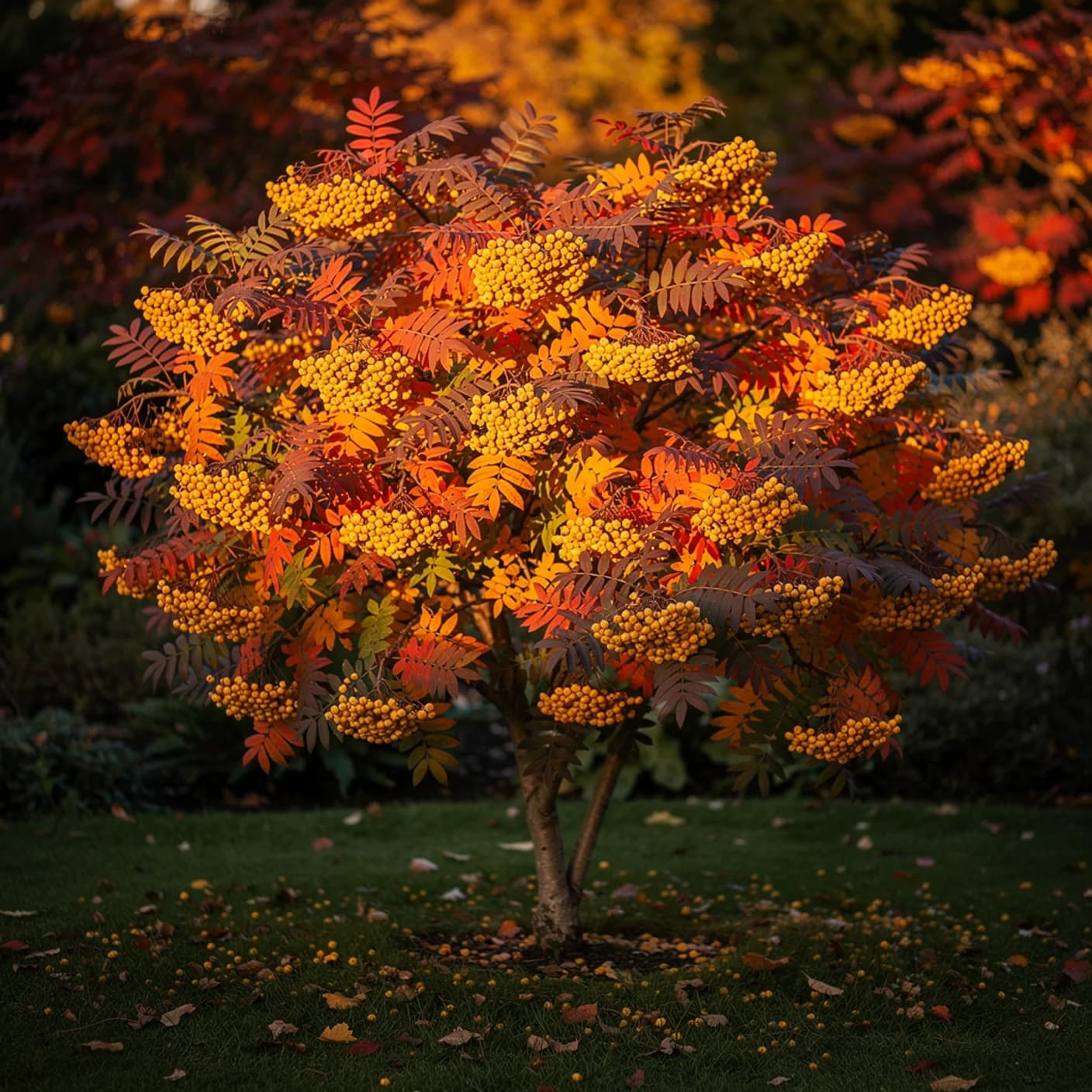
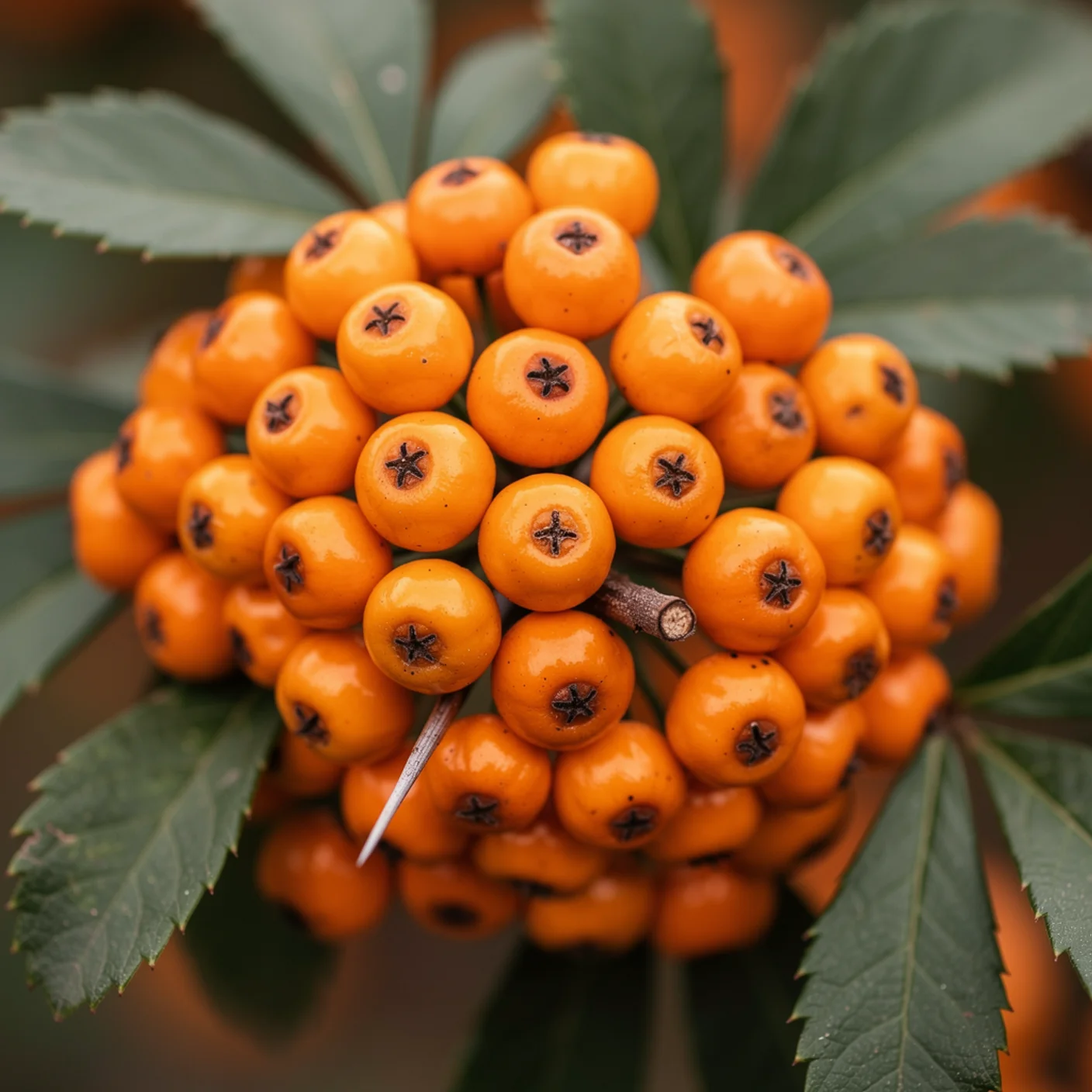
Pyracantha is the bouncer of the plant world. Tough, armed to the teeth with vicious thorns, and stationed at the front of the property. Postmen know it. Burglars know it. Even cats think twice. But 'Orange Glow' is also, from October to January, one of the most visually spectacular shrubs in the British garden — covered so densely in clusters of bright, vivid, orange berries that the branches bend under the weight.
The berries are the main event. They appear in enormous clusters — heavy, tightly packed, and coloured a warm, saturated orange that seems to intensify as autumn deepens. Against the dark, glossy, evergreen foliage, the effect is almost festive without trying. A well-berried pyracantha on a November day, when everything else is fading to brown, is a blaze of colour that lifts the entire street.
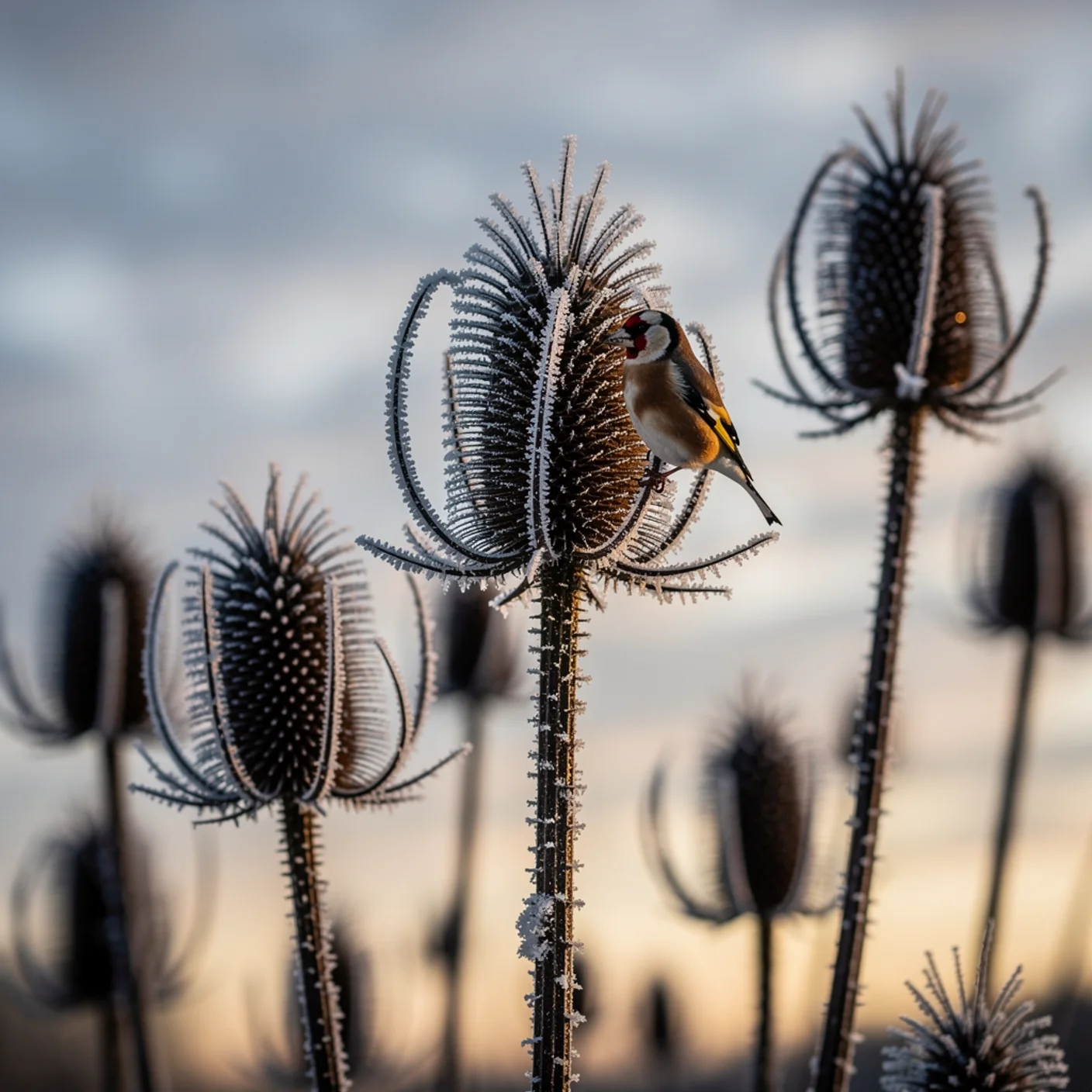
Birds love them. Blackbirds, thrushes, waxwings in a good year — they arrive in flocks and strip the berries with impressive efficiency. I've watched a flock of fieldfares clear an entire pyracantha in a single afternoon. It's a winter spectacle in two acts: first the berries, then the feeding frenzy. Both are worth watching.
The white spring flowers are pleasant — hawthorn-like clusters that smell faintly sweet and attract bees. But nobody plants a pyracantha for the flowers. They plant it for the autumn berries and the impenetrable, burglar-deterring thorns. Trained flat against a wall, it makes a dense, evergreen, fruit-bearing screen that's both beautiful and defensive. The Victorians understood this — they used it to secure boundaries with a combination of beauty and menace that no fence can match. A plant that gives you seasonal colour and home security. What's not to love?
Where to Buy
If you want to try pyracantha for yourself, here's where I'd point you:
We may earn a small commission from purchases made through our links, at no extra cost to you.
✿ From the folklore cabinet
Pyracantha means 'fire thorn' — from the Greek 'pyr' (fire) for the berry colour and 'akanthos' (thorn) for the obvious. It's native to a belt from south-eastern Europe through to China. The berries are technically edible but extremely bitter raw — they can be made into jelly with enough sugar and determination, though I've never felt the effort justified. In parts of southern Europe, pyracantha jelly is a traditional preserve. The thorns were serious enough that medieval gardeners used pyracantha as a living fence, and the tradition of planting it beneath ground-floor windows for security persists to this day. 'Orange Glow' was selected for the particular warmth and intensity of its berry colour. Insurance companies should recommend it.