Colchicum
Waterlily
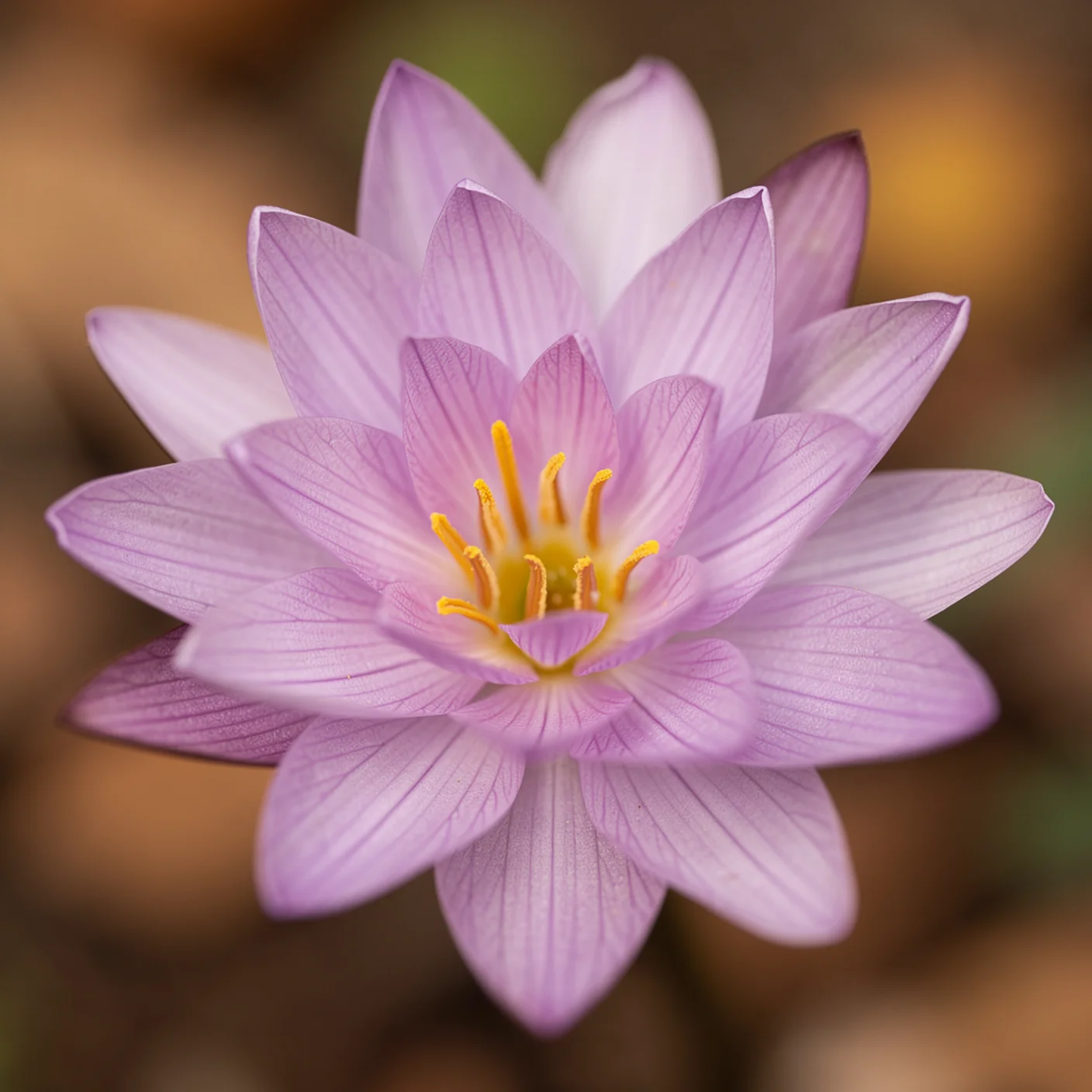
“Pure garden magic. 'Waterlily' appears from bare earth in October like something from a fairy tale, and glows in the low autumn light.”
— ROSIE
Rosie's Take
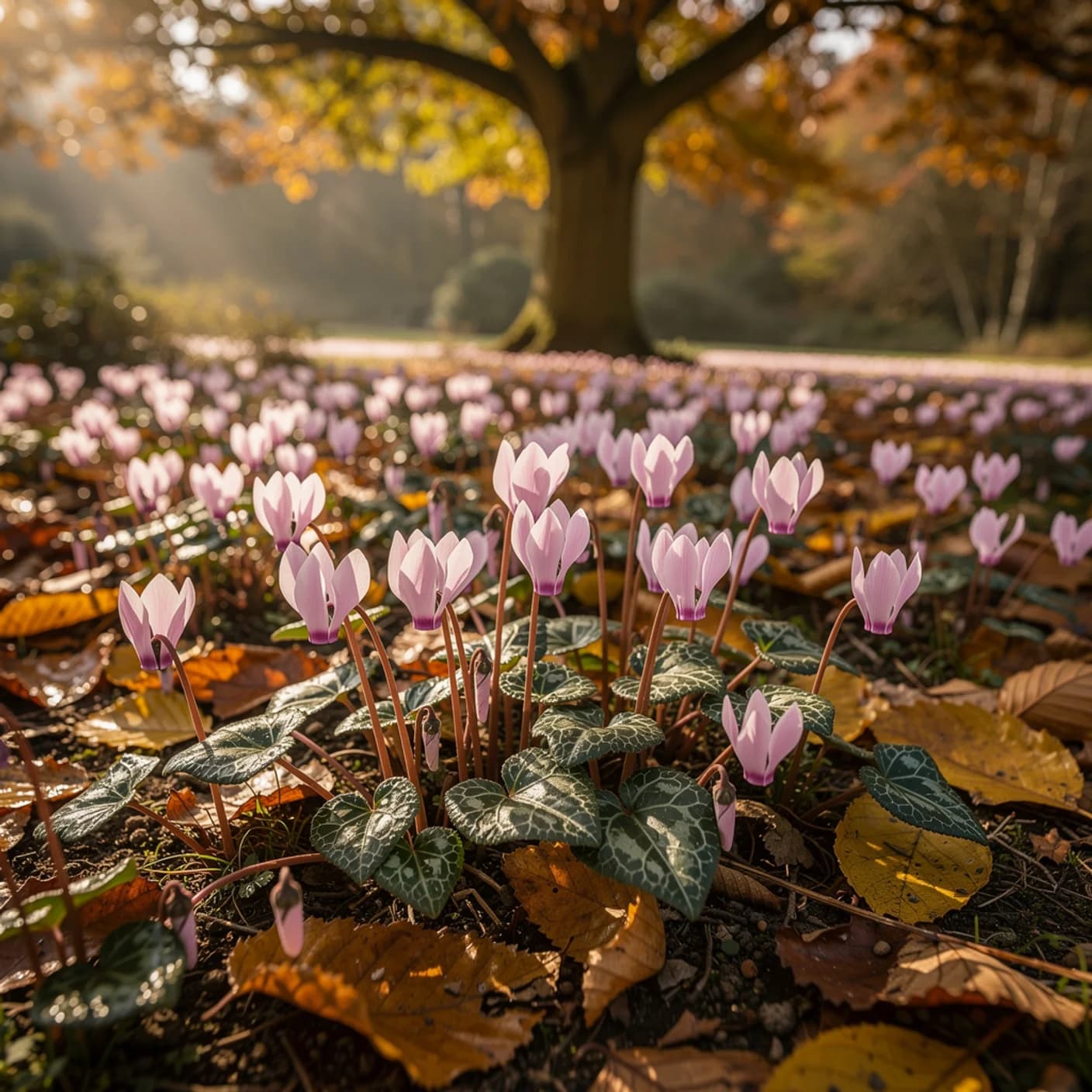
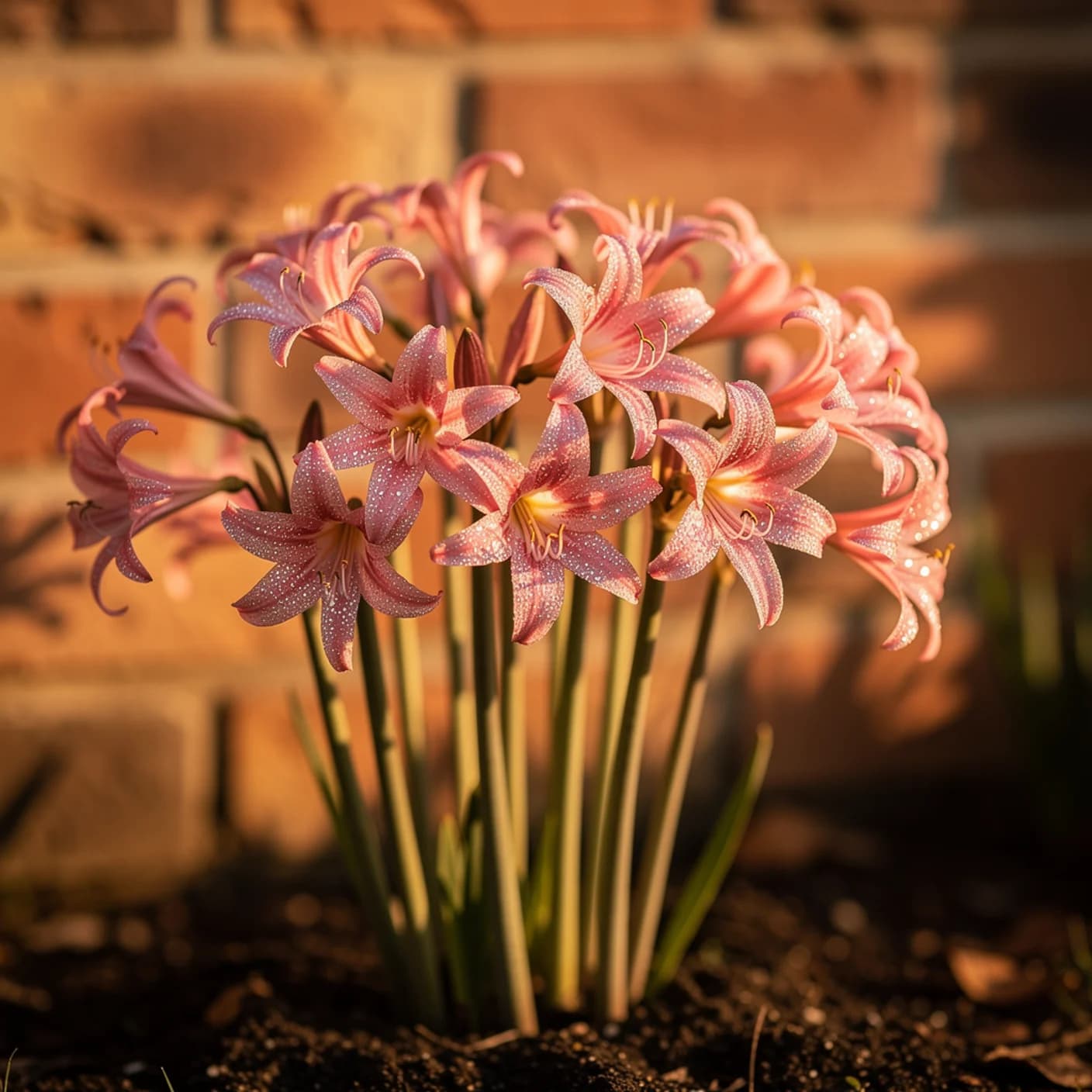
Colchicums are autumn's most improbable trick. You plant the corms in late summer, forget about them entirely, and then in September or October — just when the garden is winding down and you've stopped expecting anything — these extraordinary, goblet-shaped flowers appear from bare soil. No leaves. No stems to speak of. Just flowers, rising straight from the ground like something from a fairy tale.
'Waterlily' is the double form, and it's properly spectacular. Each flower is a many-petalled, soft lilac-pink rosette that does genuinely look like a waterlily. They're larger than you'd expect — about four inches across — and they glow in the low autumn light with a luminous, almost translucent quality. Five or six of them emerging from a patch of bare earth is genuinely startling.
The leaves come later — fat, glossy, rather ungainly things that appear in spring and die back by early summer. They're not pretty, I won't lie. But the deal is worth it. Those few weeks of autumn flowers, appearing from nothing when everything else is fading — it's one of the most magical things any bulb does.
Plant them under deciduous trees or in rough grass where the spring foliage won't bother you. They're deadly poisonous, by the way — every part of the plant — which adds a certain dark glamour. The most beautiful things in the garden often have an edge to them.
✿ From the folklore cabinet
Colchicum is named after Colchis, the ancient kingdom on the Black Sea where Medea — the sorceress of Greek mythology — was said to have used the plant in her potions. The alkaloid colchicine, extracted from these corms, is still used in medicine today as a treatment for gout. It's also used in plant breeding to create polyploids — plants with doubled chromosomes — which has given us some of our best crop varieties. An ancient poison that became modern medicine and modern agriculture. Not bad for a naked autumn flower.