Solidago
Fireworks (Goldenrod)
“Goldenrod reimagined. 'Fireworks' cascades golden sprays through the autumn border when most perennials have given up. Pair it with purple asters and pretend you planned it.”
— ROSIE
Rosie's Take
Goldenrod has a reputation problem in Britain, and it's mostly undeserved. People think of the old-fashioned, thuggish, bright-yellow Solidago canadensis that colonises railway embankments and overwhelms borders, and they dismiss the whole genus. But 'Fireworks' is a different proposition entirely. This is goldenrod with manners, architecture, and style.
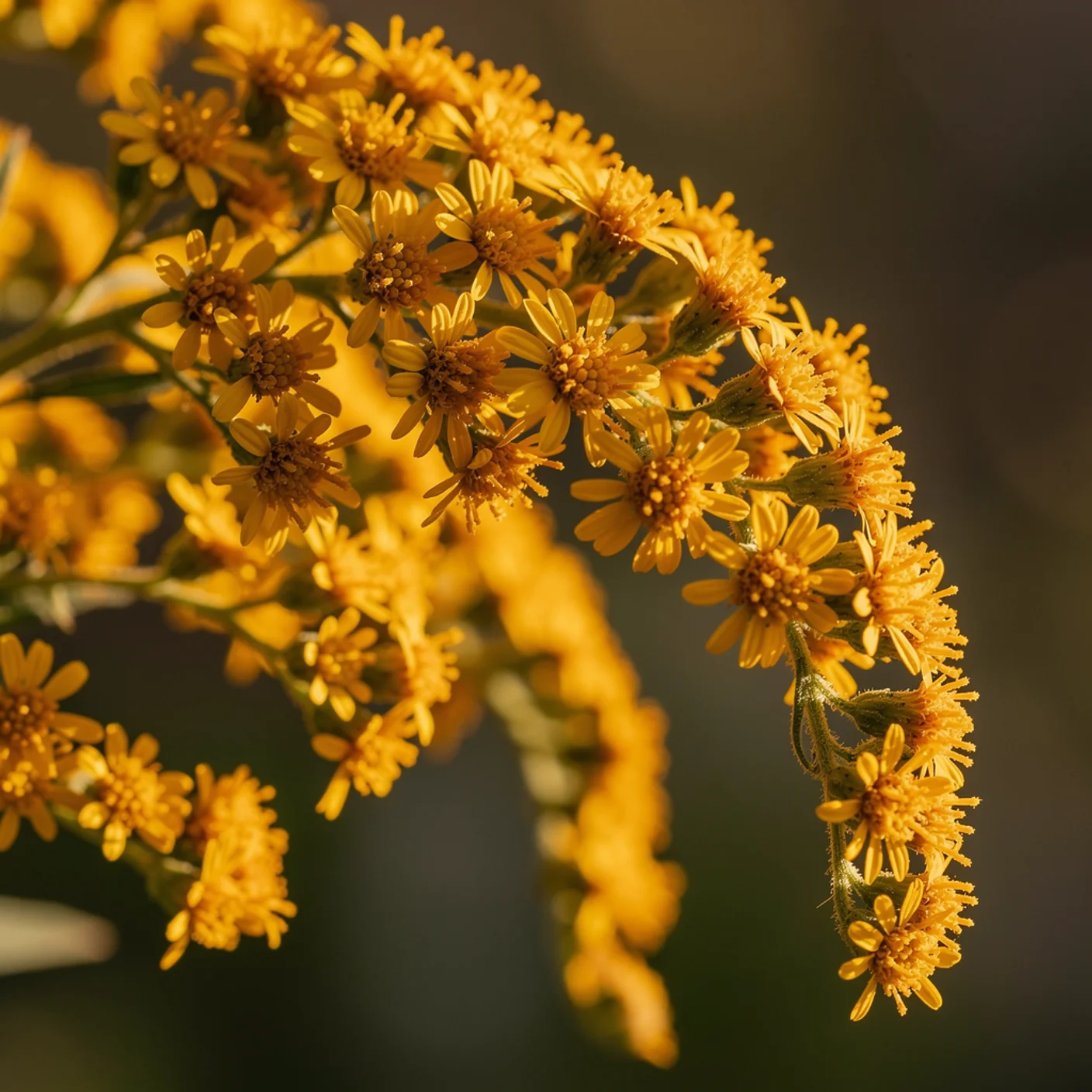
The flower heads explain the name immediately — instead of the usual stiff, upright plumes, 'Fireworks' produces arching, cascading sprays of tiny golden-yellow flowers that radiate outward and downward from the top of each stem, like the trails of a firework at the moment it begins to fall. The effect is graceful, almost weeping, and nothing like the rigid soldiers of the older varieties. Each spray is about a foot across, carried on stems three to four feet tall, and when a mature clump is in full bloom in September the cascading golden sprays catch every breeze.
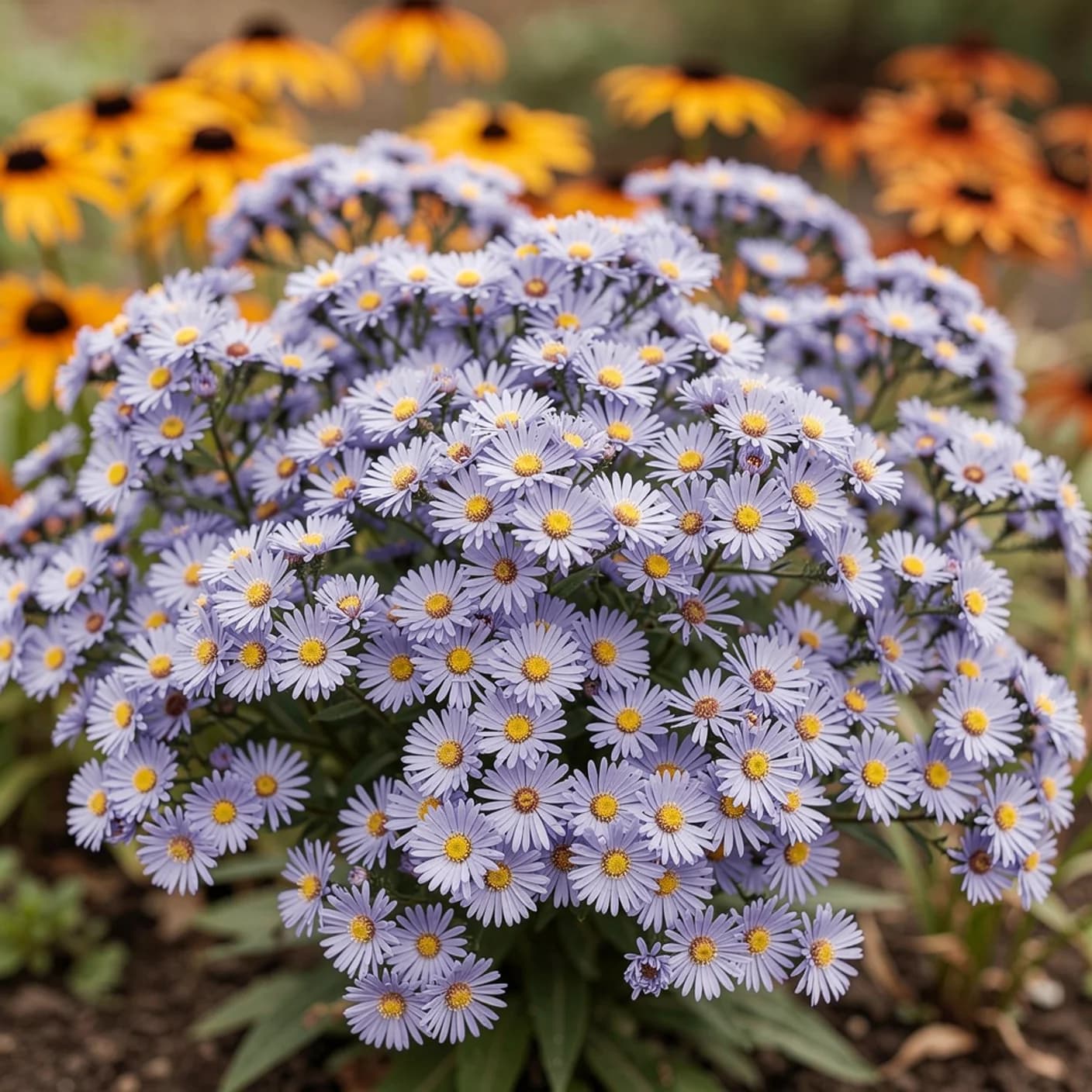
The colour is warm — a deep, rich, butter-gold that sits beautifully with the mauves and purples of autumn asters, the russets of heleniums, and the wine-red of sedums. I grow mine behind Aster 'Little Carlow' and the pairing is one of those happy accidents: gold fountains above a purple-blue haze, both flowering at exactly the same time in late September. It looks like I planned it. I didn't.
It's tough, drought-tolerant once established, and spreads steadily but not aggressively. A plant this useful, this reliable, and this beautiful in the leanest season of the garden year doesn't deserve to be tarred with the goldenrod brush. 'Fireworks' earned its place. Give it a chance.
Where to Buy
If you want to try solidago for yourself, here's where I'd point you:
We may earn a small commission from purchases made through our links, at no extra cost to you.
✿ From the folklore cabinet
Solidago gets its name from the Latin 'solidare' — to make whole — reflecting its long history in herbal medicine. It was used to treat kidney and bladder complaints, and Native Americans used various species to treat sore throats and wounds. In Europe, it was once considered so valuable medicinally that it was imported at great expense from North America. When it began growing wild across Britain (having escaped from gardens), the price collapsed. The notion that goldenrod causes hay fever is a myth — it's insect-pollinated, not wind-pollinated. The real culprit is ragweed, which flowers at the same time and gets goldenrod blamed for its crimes. 'Fireworks' was selected by the American plantsman Richard Lighty for its uniquely cascading flower form.