Red Hot Poker
Tawny King
“The poker for people who think they hate pokers. 'Tawny King' brings the drama without the aggression, and the bees are absolutely obsessed.”
— ROSIE
Rosie's Take
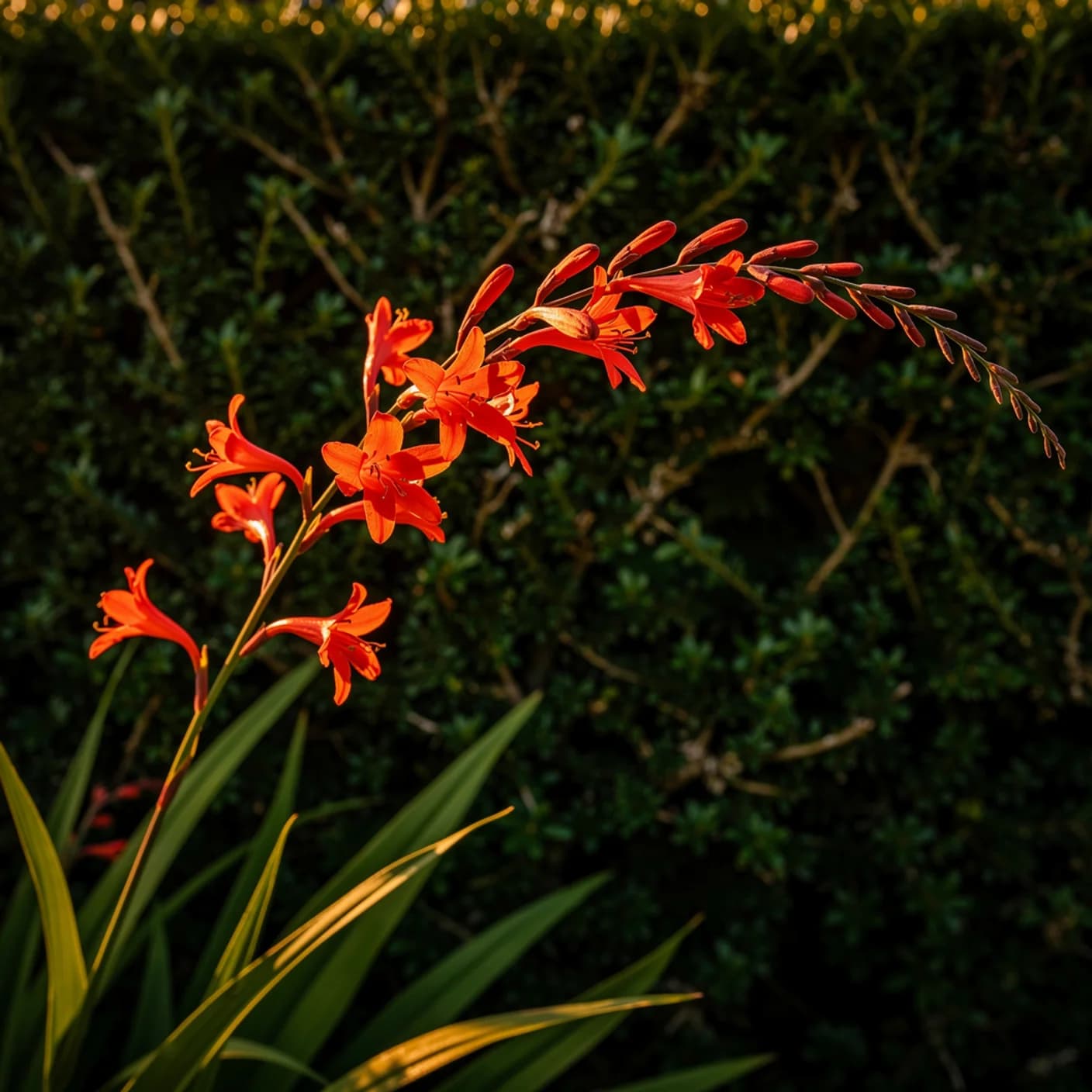
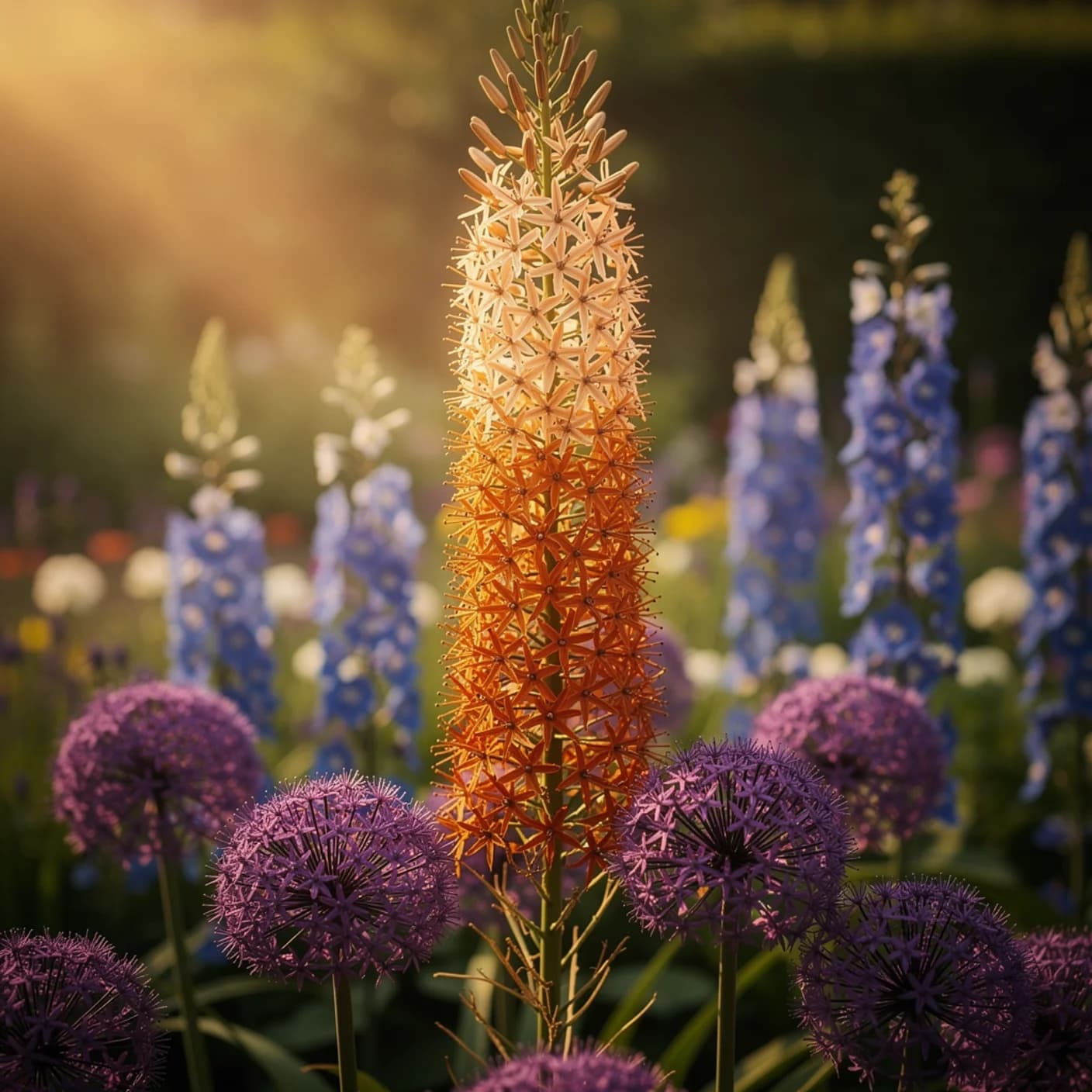
Red hot pokers divide opinion more than almost any other garden plant. Some people love the drama; others find them brash and aggressive. I understand both sides. The standard orange-and-yellow varieties can feel like they're shouting at you. But 'Tawny King' is different — it's the red hot poker that went on a gap year and came back calmer.
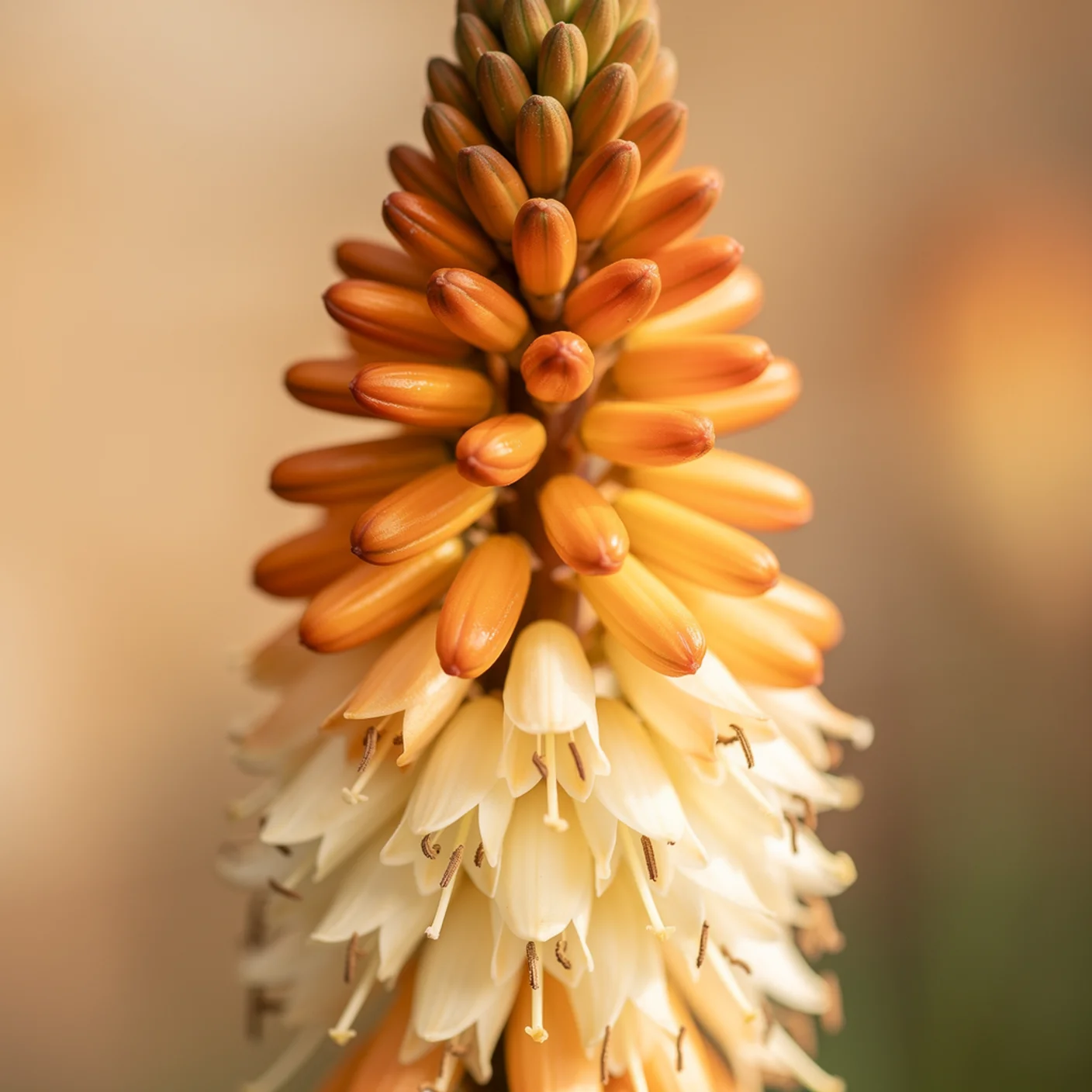
The colour is warm rather than hot — a soft, tawny amber that fades to cream as the florets open from the bottom of the spike upward. It's the burnt-honey tone of late summer light, and it sits in a border without dominating everything around it the way the fiercer varieties do.
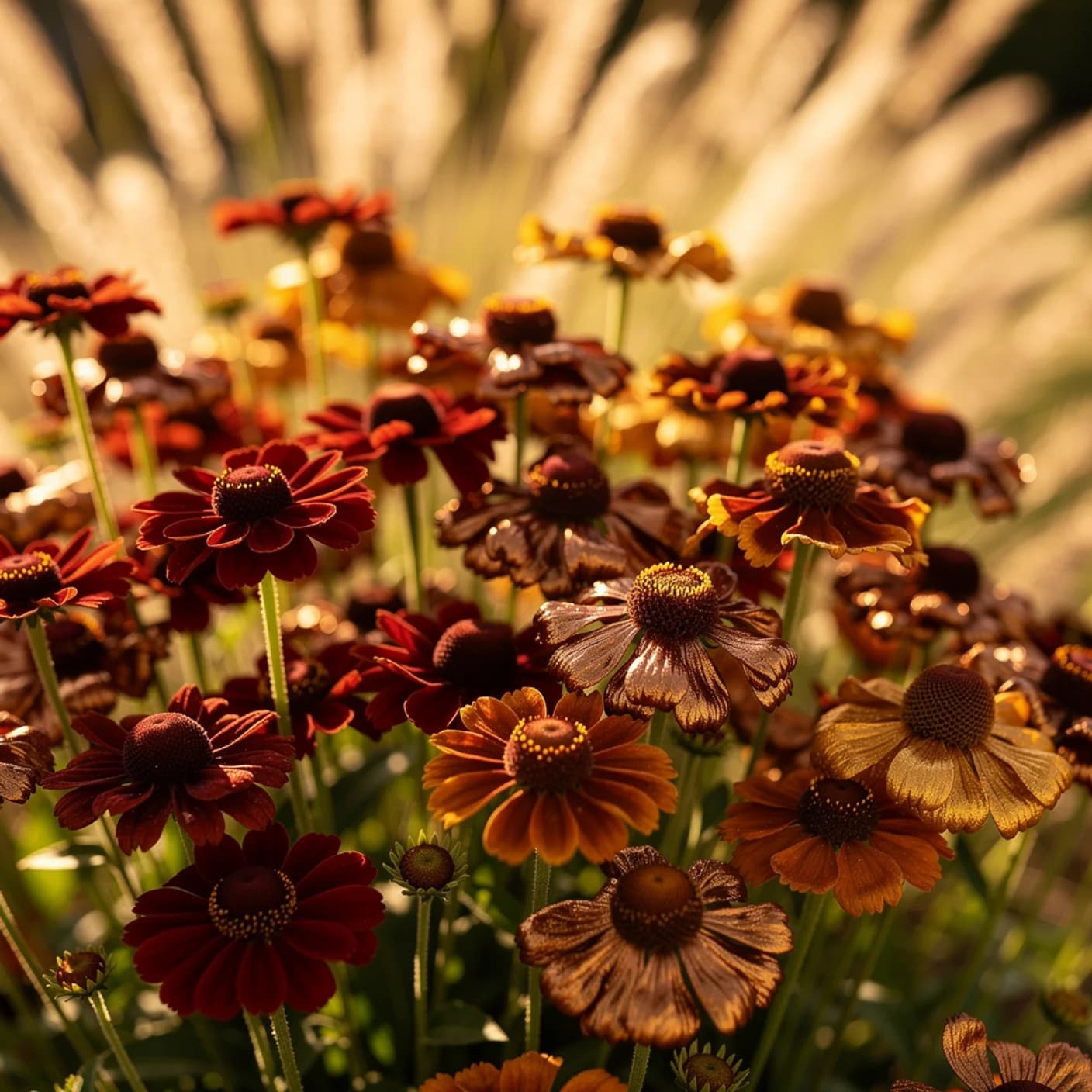
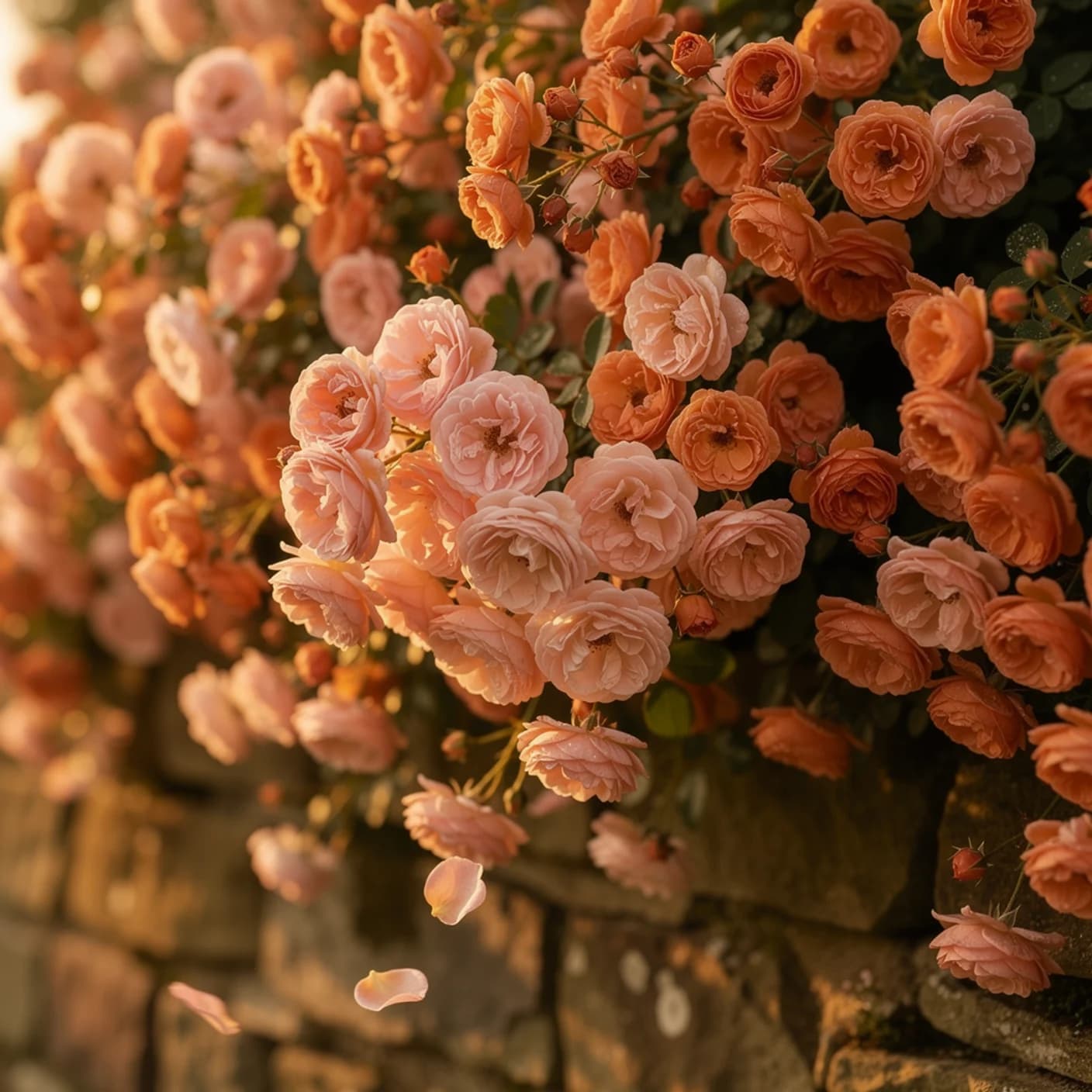
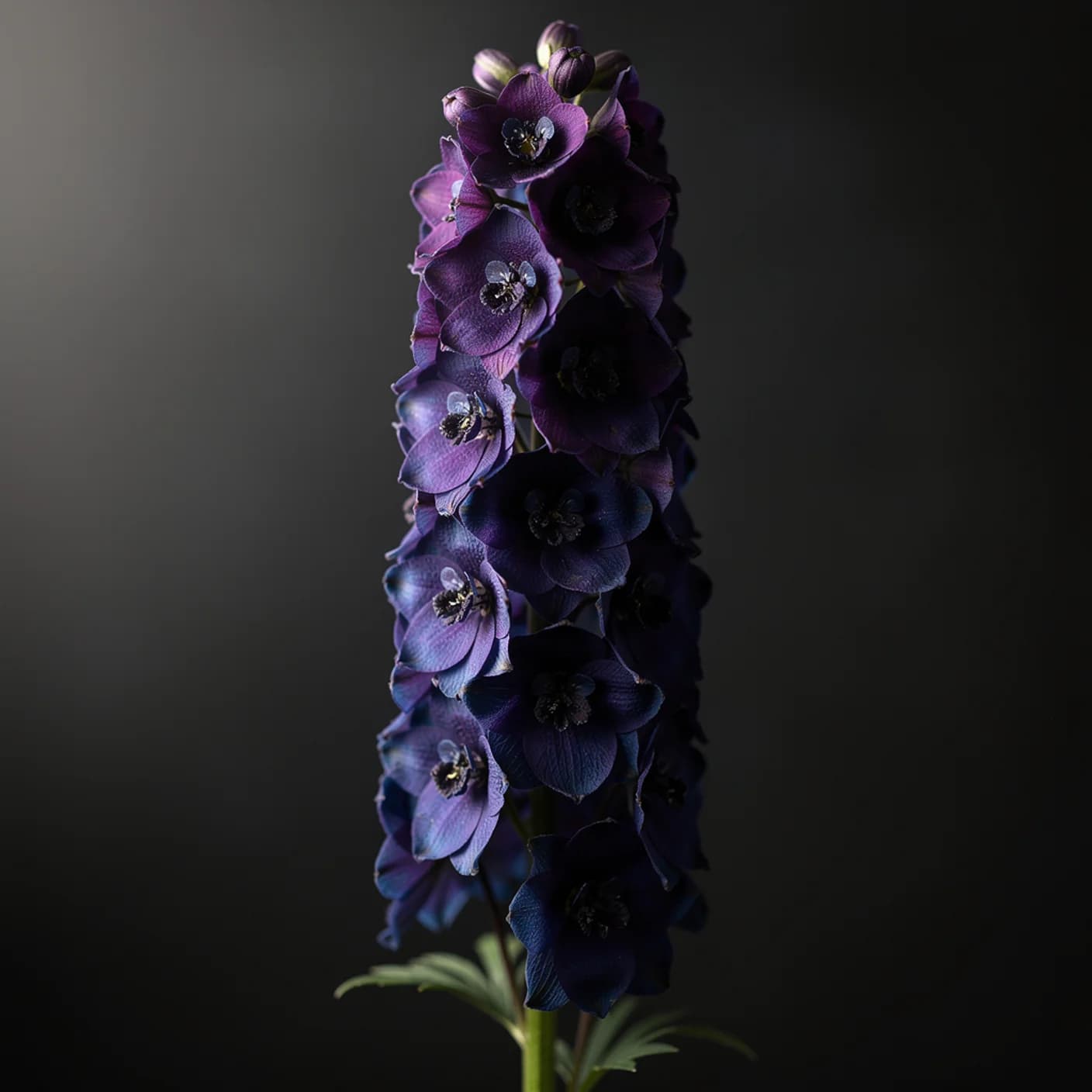
The shape is still dramatic — that tall, rocket-like spike rising above strap-shaped foliage — but the muted colour means it plays well with others. Next to ornamental grasses, heleniums, and late roses, it's genuinely lovely. It provides the same vertical punctuation as a delphinium but with an entirely different mood — warmer, earthier, more end-of-summer.
I've grown mine for years and they've steadily formed a substantial clump that reliably produces a dozen spikes every August. They attract bees like nothing else — I've counted six on a single spike — and the structural form persists well into autumn even after the flowers are spent. Not a flower for the faint-hearted, but 'Tawny King' is the one that might convert the sceptics.
Where to Buy
If you want to try red hot poker for yourself, here's where I'd point you:
Also available as seeds — Red Hot Poker 'Traffic Lights' - Seeds →
We may earn a small commission from purchases made through our links, at no extra cost to you.
✿ From the folklore cabinet
Kniphofia is named after Johannes Hieronymus Kniphof, an eighteenth-century German physician and botanist. The common name 'red hot poker' is wonderfully literal — though 'torch lily' is the other name, which feels slightly more dignified. They're native to South Africa and were first brought to British gardens in the 1700s. 'Tawny King' proves that sometimes the quiet version of a loud thing is the most interesting.