Lisianthus
Eustoma grandiflorum
“When the budget says no to peonies, lisianthus says yes. Two weeks of ruffled beauty that makes everything around it look more expensive.”
— ROSIE
Rosie's Take
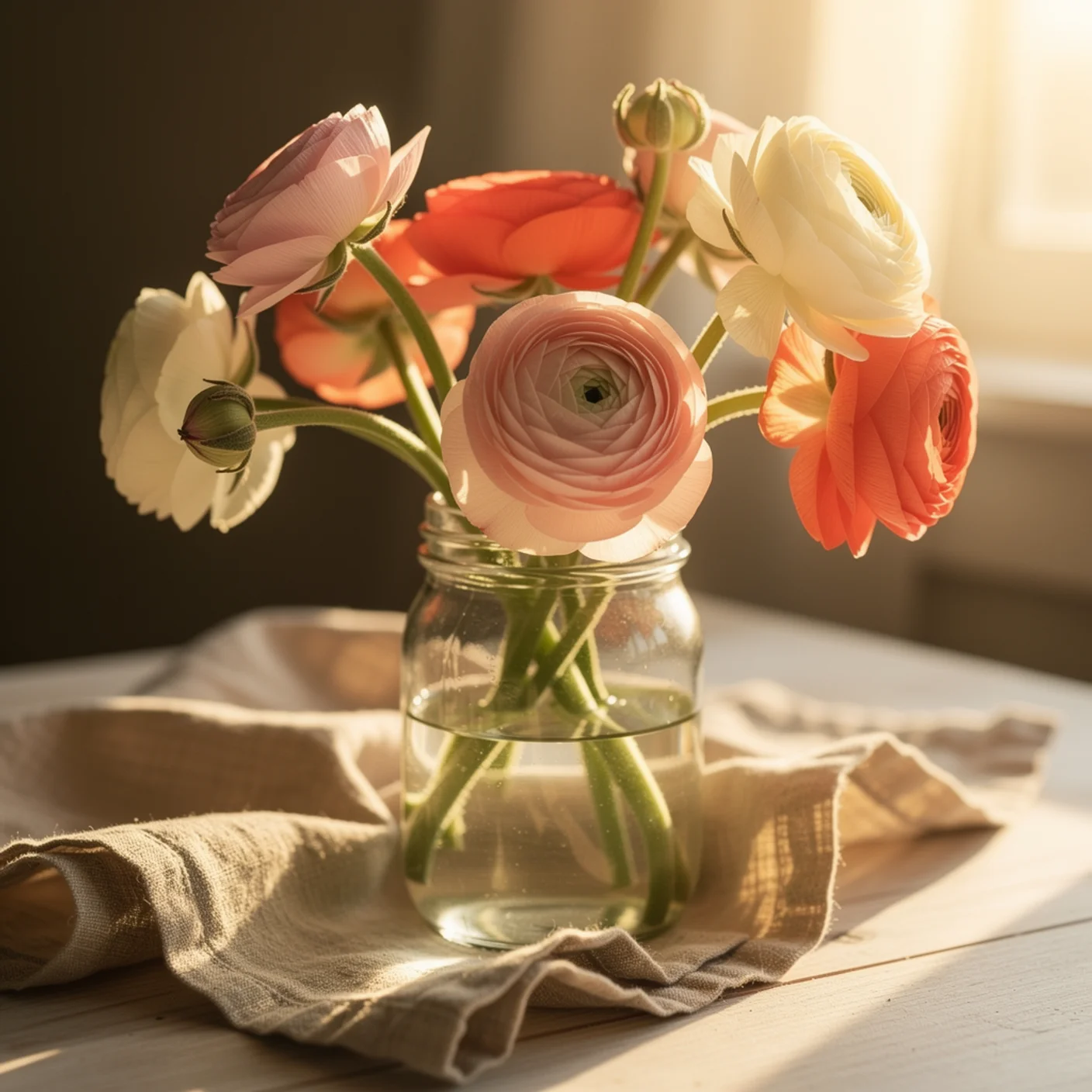
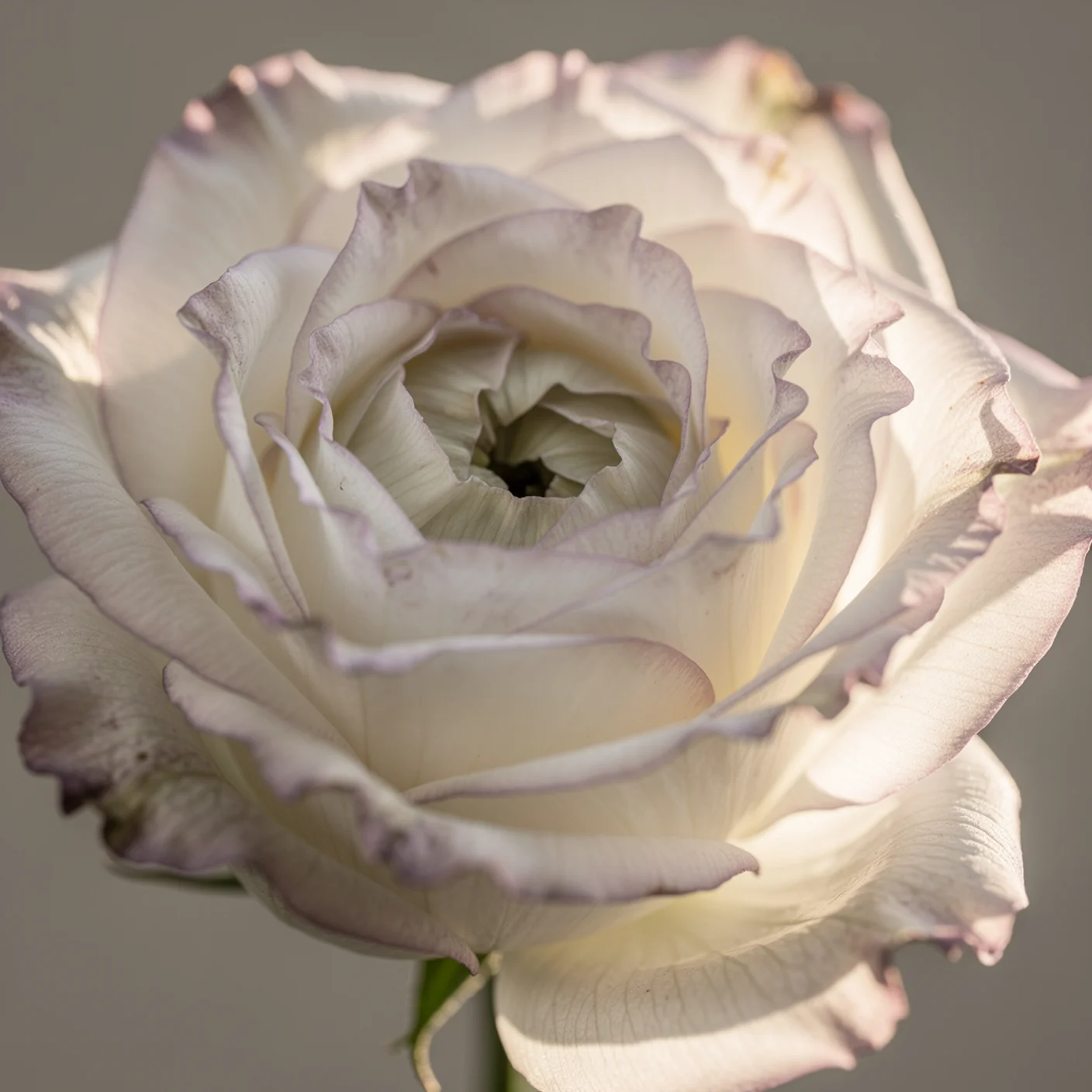
Lisianthus is the flower I recommend when someone says they want roses but their budget says otherwise. That's not a criticism — it's a genuine compliment. The double varieties produce these exquisite, ruffled, rose-like blooms on slender, branching stems, and at a glance they're almost indistinguishable from a garden rose. The colour range is gorgeous — soft white, pale pink, deep purple, and a dusky mauve that I'm particularly weak for.
The petals have a delicate, papery quality that's different from a rose — thinner, more translucent, with a slight sheen that catches the light differently. Each bloom opens slowly from a tight, spiralling bud that's beautiful in its own right. I love having them in a vase at different stages — tight buds, half-open spirals, and fully open ruffled flowers all on the same stem.
The vase life is genuinely remarkable. Two weeks, sometimes longer, which puts most flowers to shame. They keep opening new buds from the side branches while the first flowers are still going, so a single bunch just keeps getting better. For value per day, I don't think any cut flower beats lisianthus.
They're not easy to grow from seed — the seedlings are tiny, slow, and temperamental — which is why most of us buy them as cut flowers rather than growing our own. I've made my peace with that. Some flowers are worth paying someone else to grow.
I use them as the anchor of arrangements when I want something elegant without the price tag of peonies or David Austin roses. Mixed with a few stems of ammi and some trailing greenery, lisianthus makes everything look more expensive than it is. That's a skill.
Where to Buy
If you want to try lisianthus for yourself, here's where I'd point you:
“The Blossomist carry beautiful lisianthus through summer — their bunches are always that mix of buds and open blooms that keeps unfolding for days. Worth it for the vase life alone.”
Order This Flower →We may earn a small commission from purchases made through our links, at no extra cost to you.
✿ From the folklore cabinet
Lisianthus is native to the prairies of the American Midwest, where it grows wild in grasslands. The Japanese took it on and bred it into the ruffled, rose-like varieties we know today — which is why it's sometimes called 'Japanese rose.' I like that: an American wildflower made magnificent by Japanese patience.