Buddleja
Royal Red
“The garden's greatest wildlife show, in a dusky magenta that cameras can never quite capture. Prune it hard and let it perform.”
— ROSIE
Rosie's Take
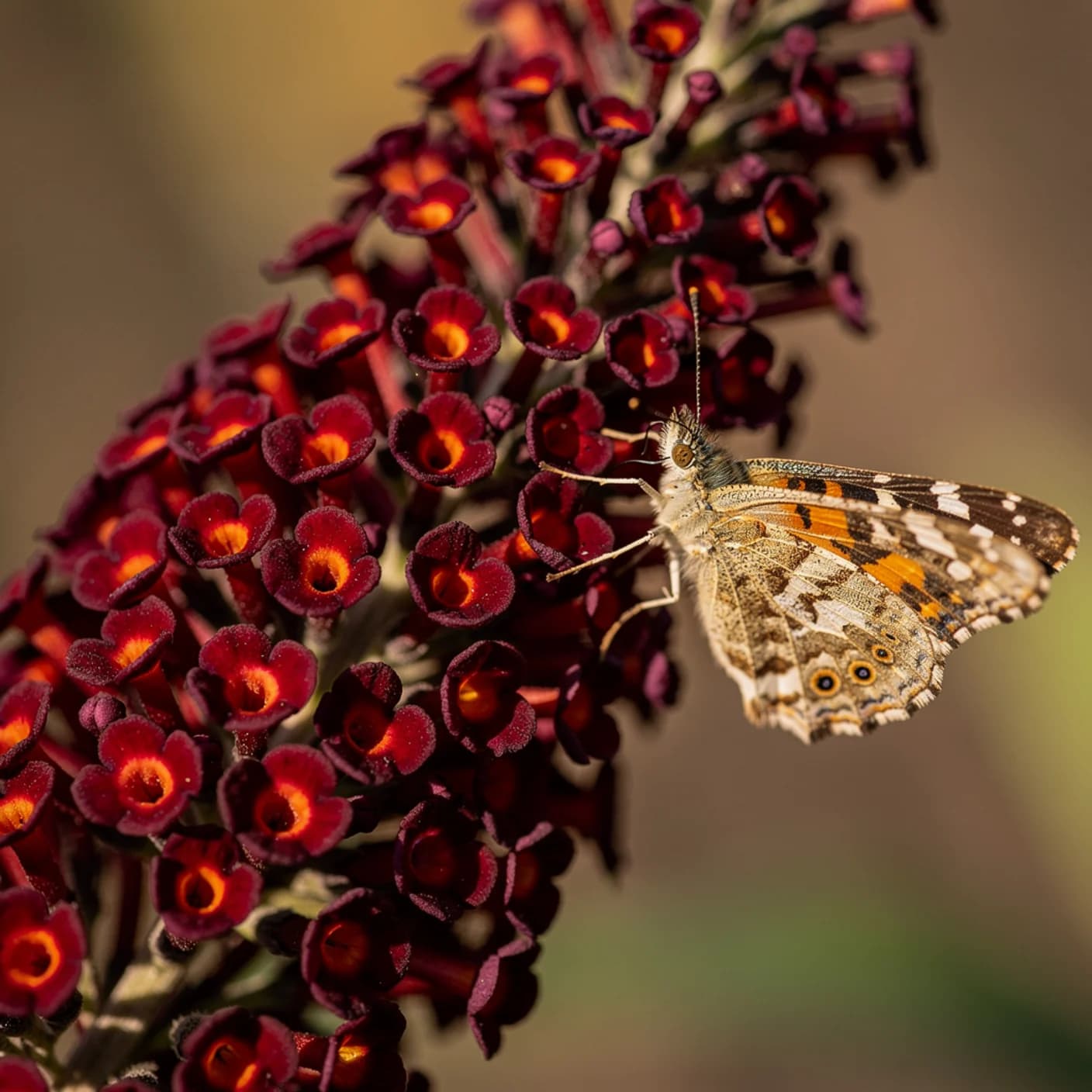
Every buddleja is a small act of wildness. They grow on railway embankments and bombsites and crumbling walls, seeding themselves into the least promising cracks and producing those long, honey-scented flower spikes regardless. 'Royal Red' is the cultivated version of that wildness — same generous spirit, same magnet for butterflies, but in a deep, dusky magenta-purple that's richer and more complex than the common lilac species.
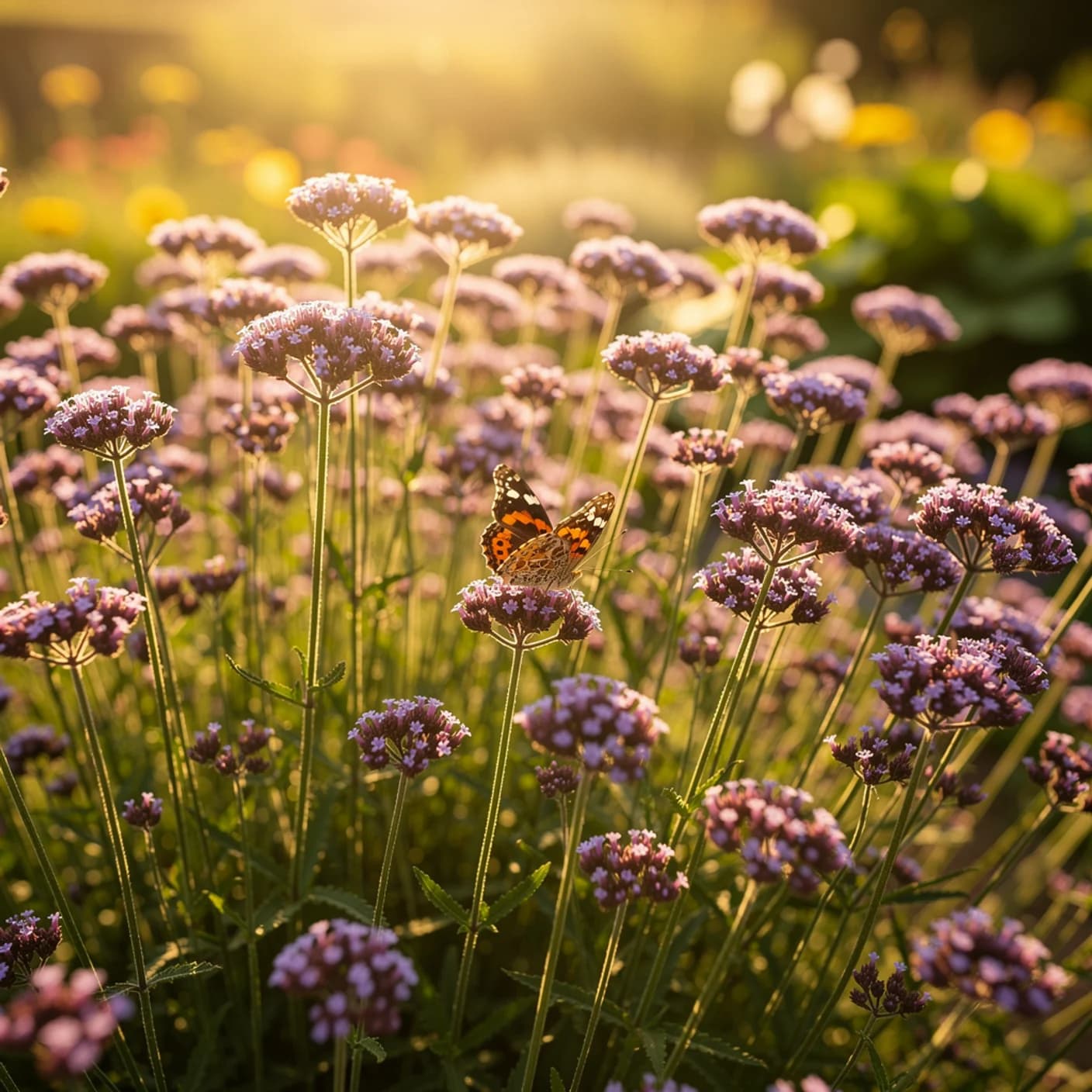
On a warm July afternoon, a buddleja in full flower is one of the great spectacles of the British garden. Not the flower itself, which is handsome enough, but what it attracts. Peacocks, red admirals, painted ladies, commas — every butterfly within half a mile will find it. I've stood by mine and counted eight species in a single afternoon. The scent is warm and honeyed, and the air around the bush hums with life.
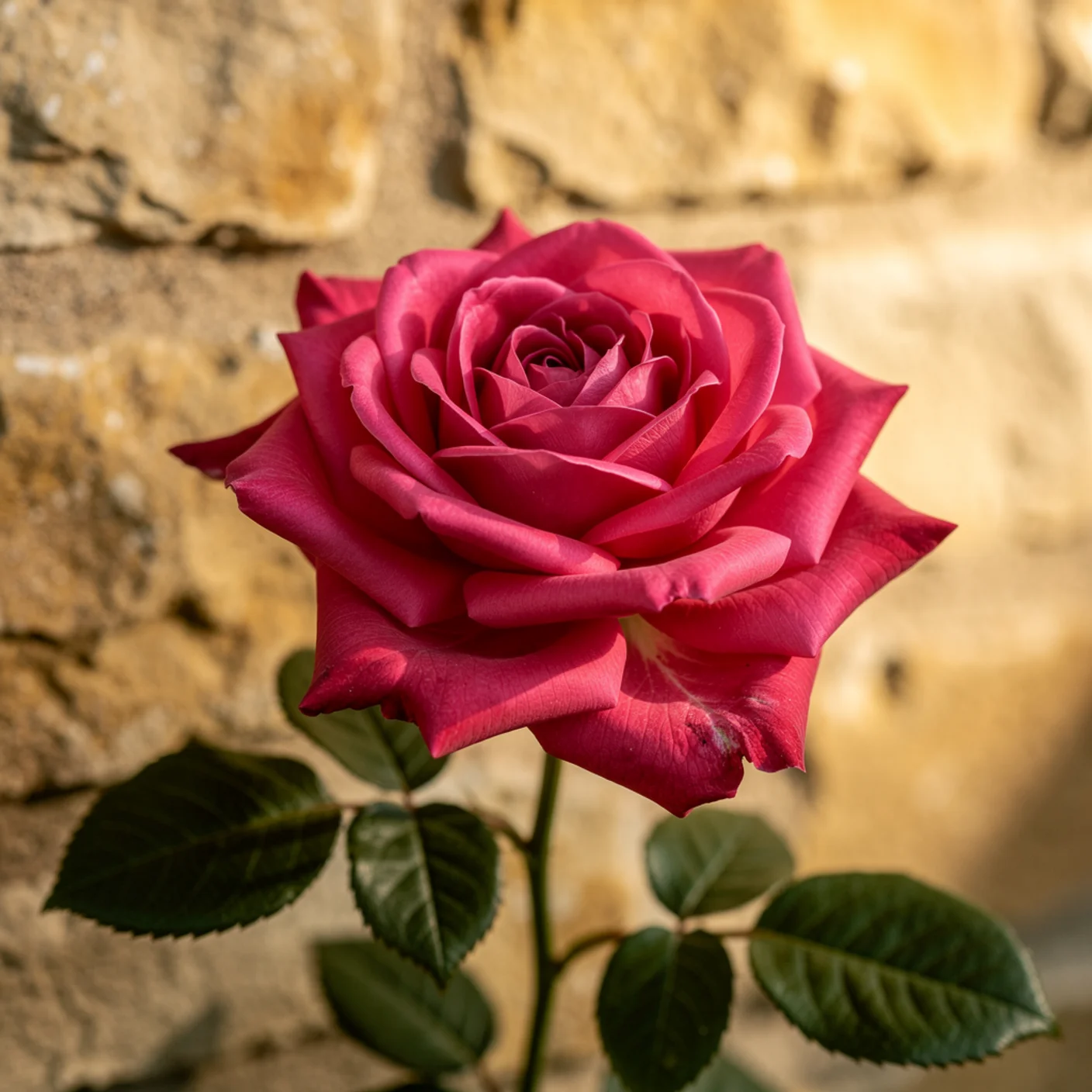
'Royal Red' doesn't photograph well, which is its only flaw. The colour is a dark, saturated magenta-red that cameras tend to turn muddy. In real life it's rich and glowing, particularly in late afternoon light when it takes on a velvety depth. Against silver foliage — artemisia, or its own grey-green leaves — it's genuinely dramatic.
They grow fast and they grow big. Too big, sometimes, which is why hard pruning in March is essential — cut them down to a low framework and they'll bounce back with better flowers on stronger stems. Left unpruned they become leggy and graceless. Treat them firmly and they reward you with the most wildlife-friendly show in the garden.
Where to Buy
If you want to try buddleja for yourself, here's where I'd point you:
We may earn a small commission from purchases made through our links, at no extra cost to you.
✿ From the folklore cabinet
Buddleja is named after the Reverend Adam Buddle, a seventeenth-century Essex botanist, though the plant wasn't introduced to Britain until well after his death. It became known as the 'butterfly bush' for obvious reasons, but also earned the nickname 'bombsite plant' after the Second World War, when it colonised the rubble of the London Blitz with extraordinary speed. There's something moving about that — beauty insisting on itself in the worst of places.