Helenium
Moerheim Beauty
“The warm, burnished heart of the autumn border. 'Moerheim Beauty' does that extraordinary thing of looking better as it ages.”
— ROSIE
Rosie's Take
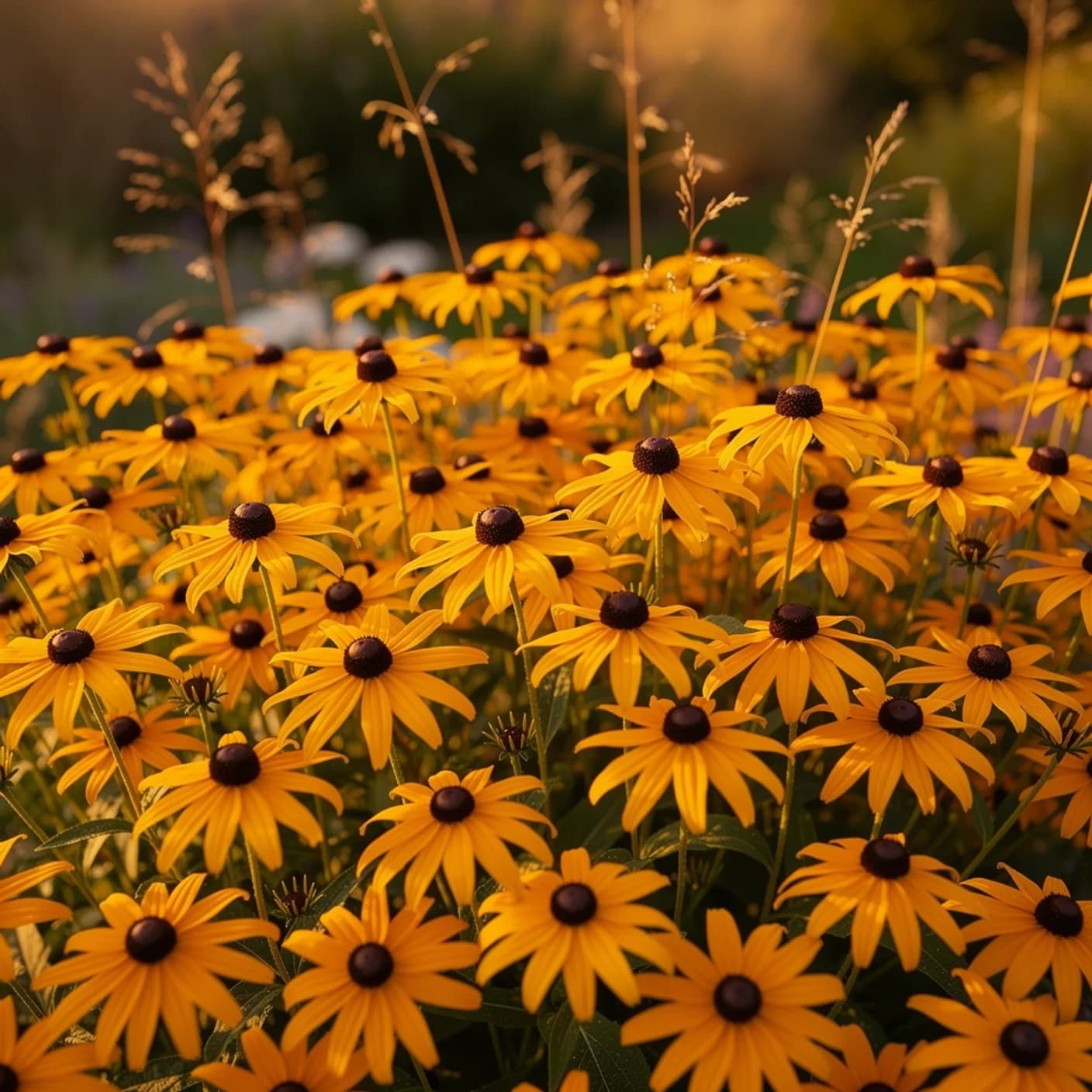
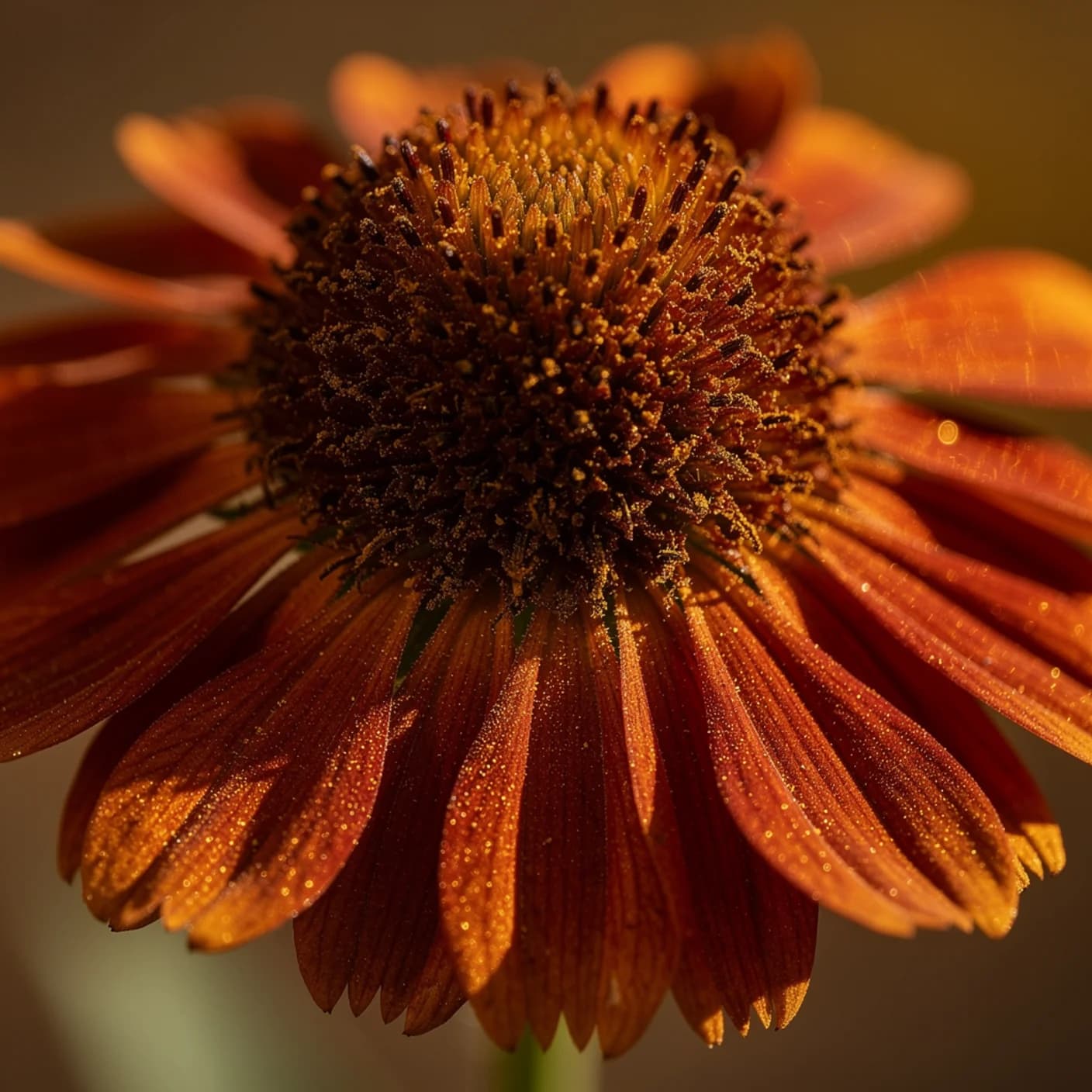
Heleniums are the warm hug of the autumn border — all those rich, burnished tones of rust, copper, and mahogany appearing just as the light turns golden and the days start to shorten. 'Moerheim Beauty' is the one I come back to year after year, with flowers that open a deep, velvety red and age through shades of copper-bronze to warm tawny-gold.
What I love is the way they change as they mature. A single plant can have flowers at different stages — fresh deep red, mid-life copper, and fading gold — all at once, which gives the whole thing this incredible tonal richness. It's like an autumn palette compressed into one plant.
The flowers themselves have a wonderfully tactile quality. Each one is a raised, velvety cone surrounded by slightly drooping ray petals that look like they've been dipped in warm metal. They're daisy-shaped, technically, but they feel much more substantial than that suggests.
They're easy to grow, they don't need staking if you give them the Chelsea chop in May, and they pair extraordinarily well with grasses and other late-season perennials. I grow mine next to Verbena bonariensis and some Stipa tenuissima, and by September that corner of the garden looks like it's on fire in the best possible way. They last reasonably well as cut flowers too — a good week in the vase — and they mix beautifully with dahlias and rudbeckia for an autumn arrangement.
Where to Buy
If you want to try helenium for yourself, here's where I'd point you:
We may earn a small commission from purchases made through our links, at no extra cost to you.
✿ From the folklore cabinet
Helenium is named after Helen of Troy — legend says the flowers grew from the ground where her tears fell, which is a rather grand origin story for something that looks most at home in a herbaceous border in Surrey. The common name 'sneezeweed' is less glamorous — the dried leaves were once used as snuff to induce sneezing, which was believed to rid the body of evil spirits.