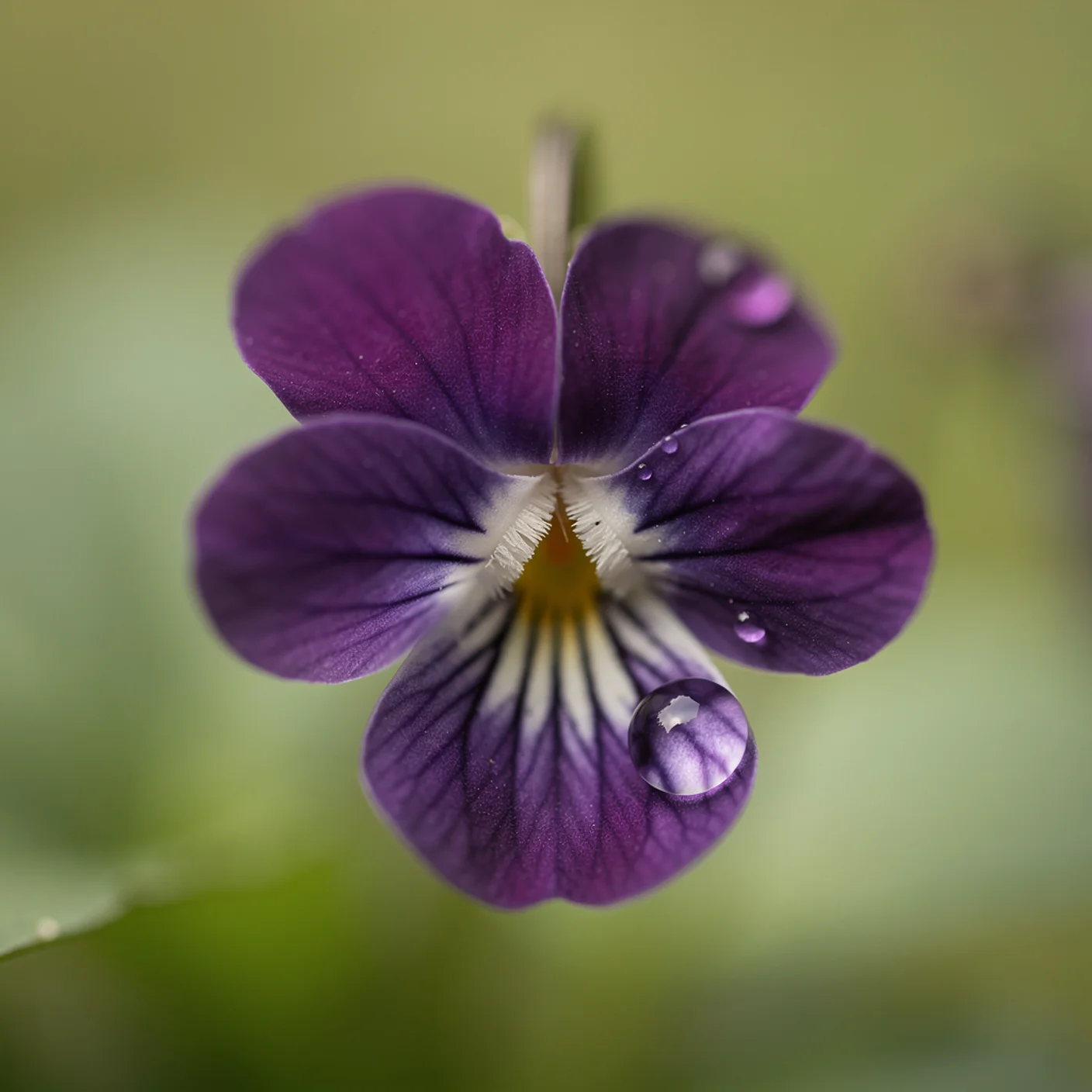
Sweet Violet
Viola odorata
“February's secret weapon. Tiny, absurdly cheap, and carrying a perfume that two thousand years of cultivation still hasn't improved upon.”
— ROSIE
Rosie's Take
Sweet violets are the flower equivalent of finding a twenty-pound note in your coat pocket. You're walking through the garden in late February, still in your winter coat, expecting nothing — and then there it is. That scent. Impossibly sweet, powdery, fleeting, drifting up from a patch of heart-shaped leaves at the base of a hedge.
Viola odorata has been cultivated for its perfume for at least two thousand years, and the scent is genuinely like nothing else in nature. It contains ionone, a compound that temporarily shuts down your scent receptors, which means you smell it, then lose it, then smell it again. It's the most maddening, addictive fragrance in the plant world — always arriving, never staying.
They're tiny. Laughably tiny compared to most flowers people get excited about. But I'd rather have a small bunch of violets on my desk in February than almost anything else in bloom at that time of year. They're the first whisper of a promise that winter is finishing. Tuck them into a little glass bottle — something with a narrow neck — and they look like a miniature painting.
You can still buy violet plants for practically nothing at garden centres. Pop them under a hedge or along a shady path and forget about them. They'll creep and spread and one grey February morning they'll stop you in your tracks. That's the deal with violets — you give them almost nothing and they give you back the first scent of the year.
Where to Buy
If you want to try sweet violet for yourself, here's where I'd point you:
Also available as seeds — Viola 'Singing the Blues' - Seeds →
We may earn a small commission from purchases made through our links, at no extra cost to you.
✿ From the folklore cabinet
Napoleon adopted the violet as his personal emblem — his supporters wore violet corsages and called him 'Corporal Violet' as a code. When he was exiled to Elba, he told his followers he would return before the violets bloomed again. He did. The ancient Greeks believed violets sprang from the blood of the god Attis, and they crowned their poets with violet wreaths. For a tiny flower, violets have been involved in a remarkable amount of history.