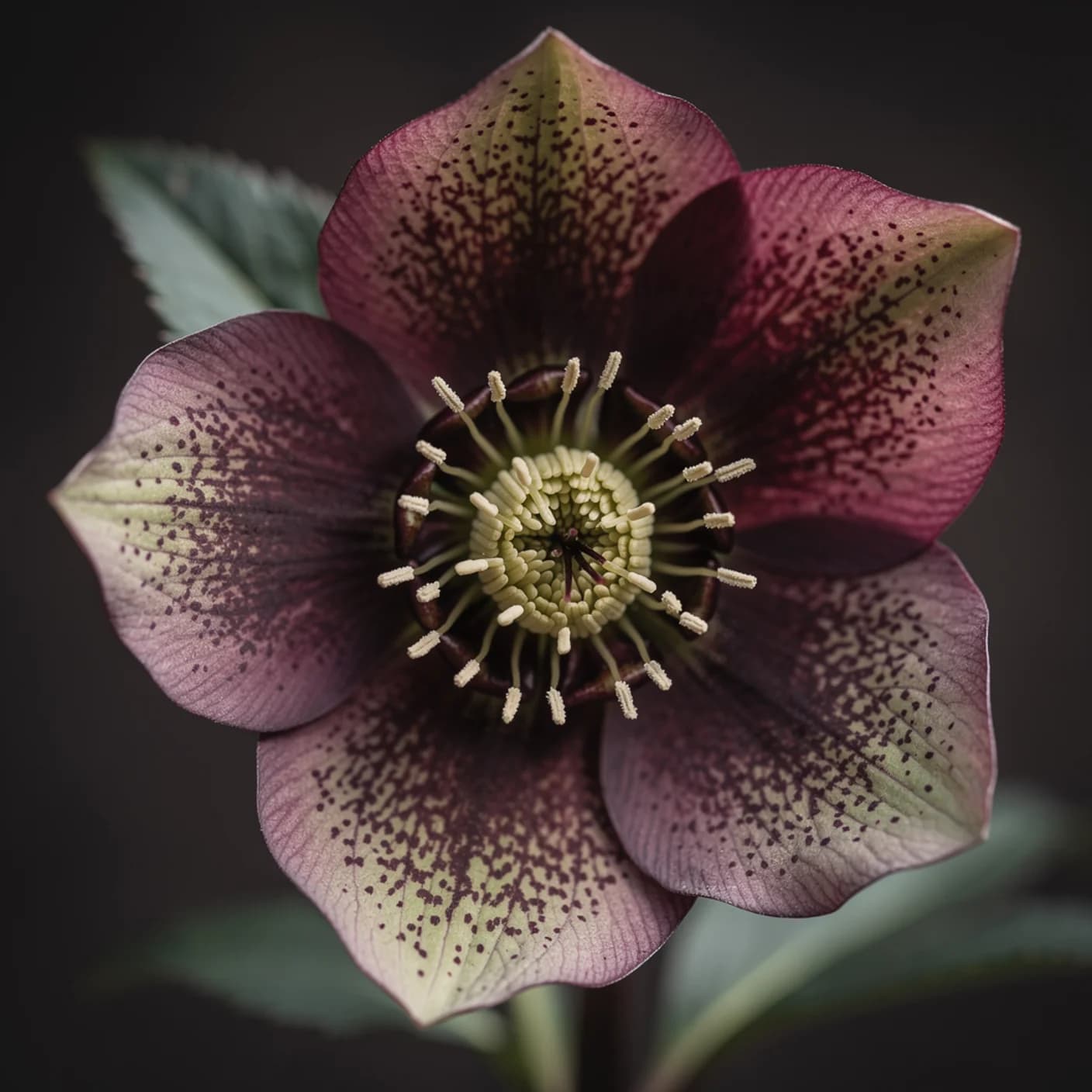
Hellebore
Winter Jewels
“Not the showiest, but the bravest. Float the heads in a shallow bowl by candlelight and you'll understand.”
— ROSIE
Rosie's Take
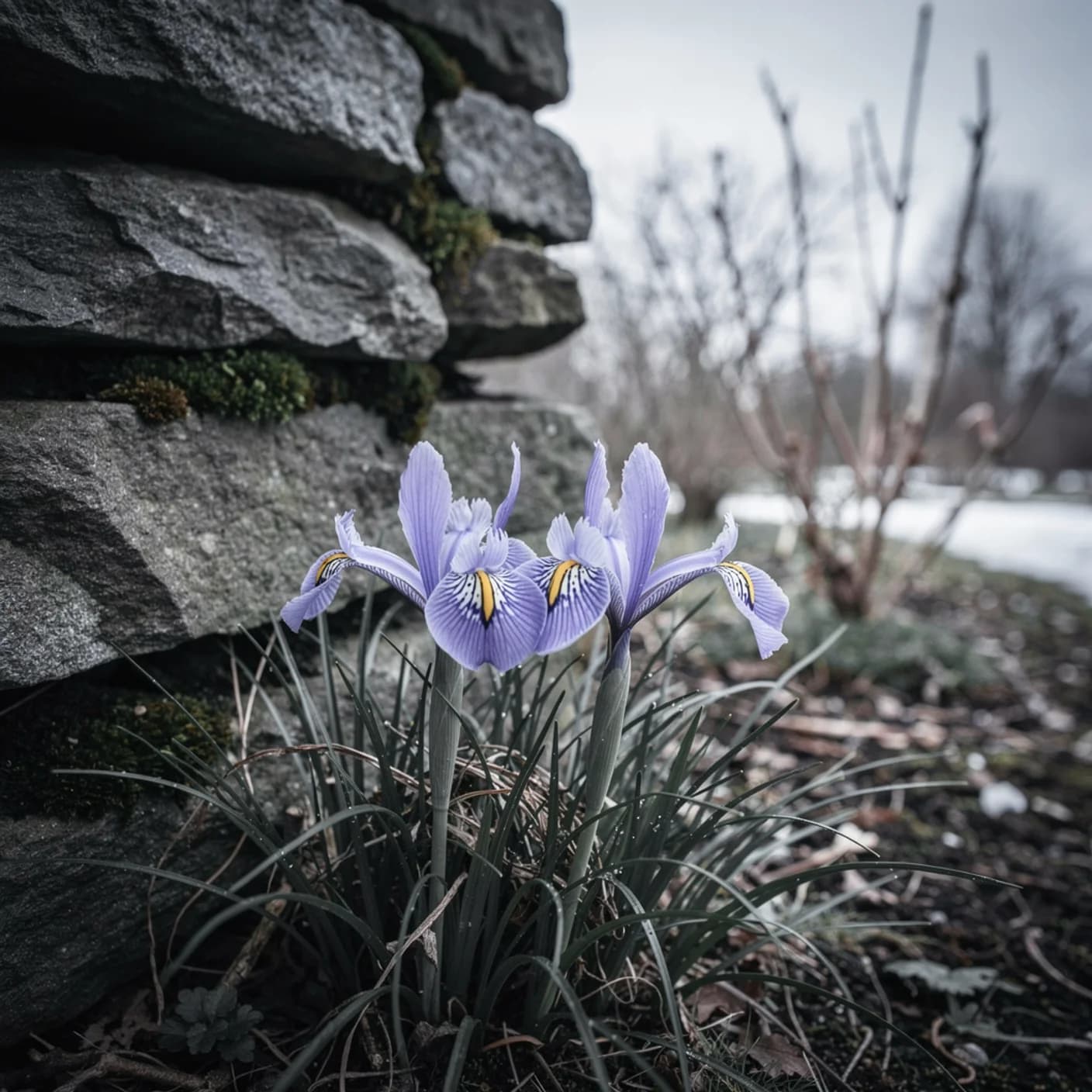
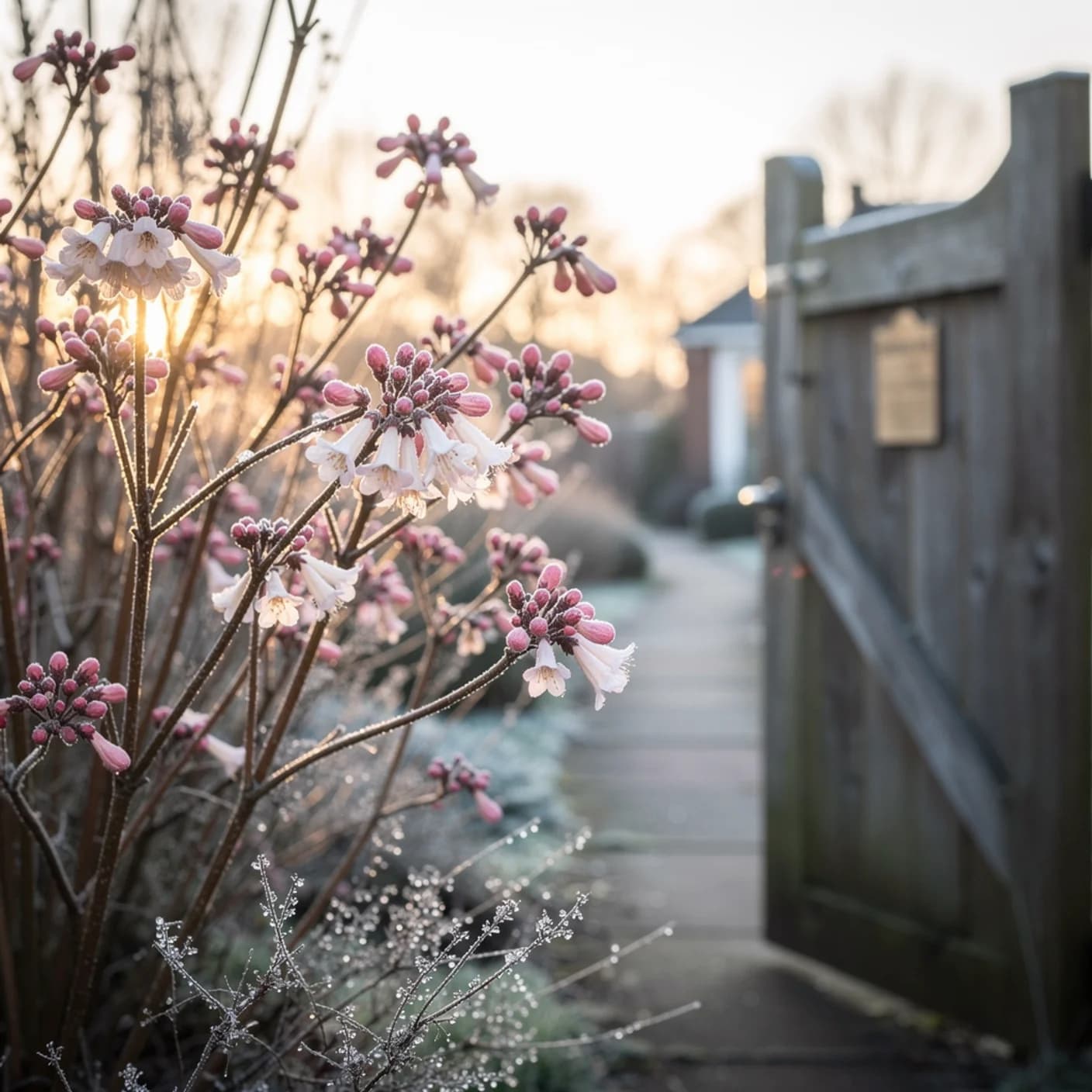
January is the month most people forget about flowers entirely, and honestly, I understand. Everything looks grey and dormant and a bit defeated. But then you look down — actually down, because hellebores are modest like that — and there they are. The Winter Jewels series, nodding away under the bare branches like they couldn't care less about the frost.
I'm slightly obsessed with these. The colour range is extraordinary — deep plum, speckled cream, dusty pink, slate purple, sometimes all on the same plant across different seasons. They look like something from a Victorian botanical illustration, all that intricate veining and those spotted throats.
What I love most is their quiet stubbornness. They flower when nothing else will. No fuss, no drama, just these elegant, downward-facing blooms getting on with it while everything else sleeps. There's a lesson in that, probably.
They're not the showiest cut flower — I'll be honest about that. The stems are short and they don't last as long in a vase as some. But float a few heads in a shallow bowl of water on your kitchen windowsill in February, and you've got something genuinely magical. Candlelight optional but recommended.
I think every garden should have at least one hellebore. They're evergreen, they spread slowly, and they reward you precisely when you need rewarding most.
Where to Buy
If you want to try hellebore for yourself, here's where I'd point you:
We may earn a small commission from purchases made through our links, at no extra cost to you.
✿ From the folklore cabinet
Hellebores have one of the darker folklores — medieval herbalists called them the flower of witches, and they were said to cure madness. I prefer the gentler version: in some traditions, scattering hellebore petals on your doorstep was meant to ward off melancholy. Given that they bloom in the dead of winter, I'd say they do exactly that.