Snowdrop
Galanthus nivalis
“You don't buy snowdrops, you visit them. Plant some in the green this winter and give yourself a February miracle.”
— ROSIE
Rosie's Take
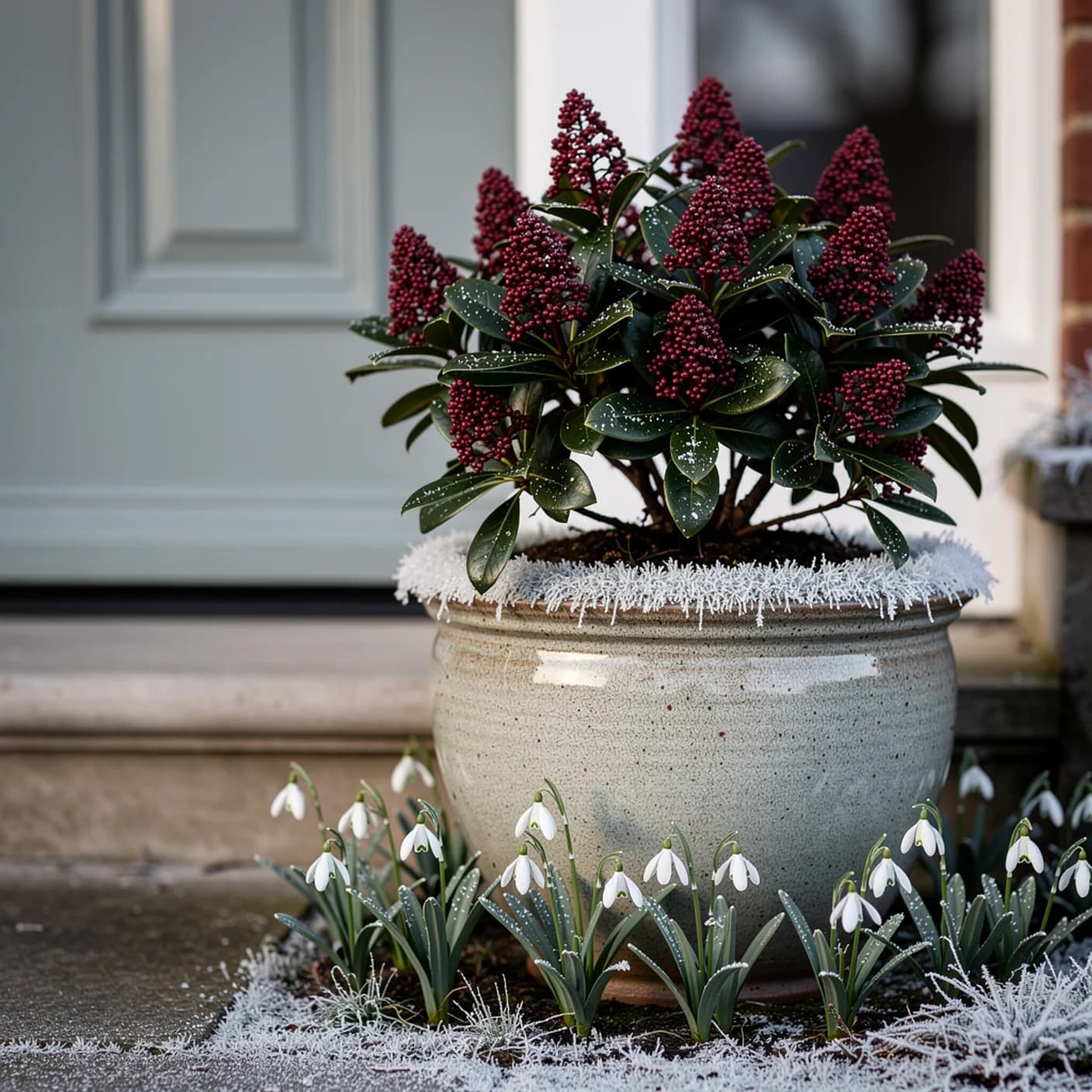
The first snowdrops of the year undo me, every single time. I know it's coming — I know roughly when and roughly where — and it still stops me in my tracks. There's something about that first cluster of white heads pushing through cold, dark soil that feels like a private message. We're still here. It's going to be alright.
Galanthus nivalis is the common snowdrop, the one you'll find in churchyards and woodland edges and that slightly wild corner of the garden your neighbour hasn't quite got round to tidying. It doesn't need a fancy variety name. It just needs to arrive.
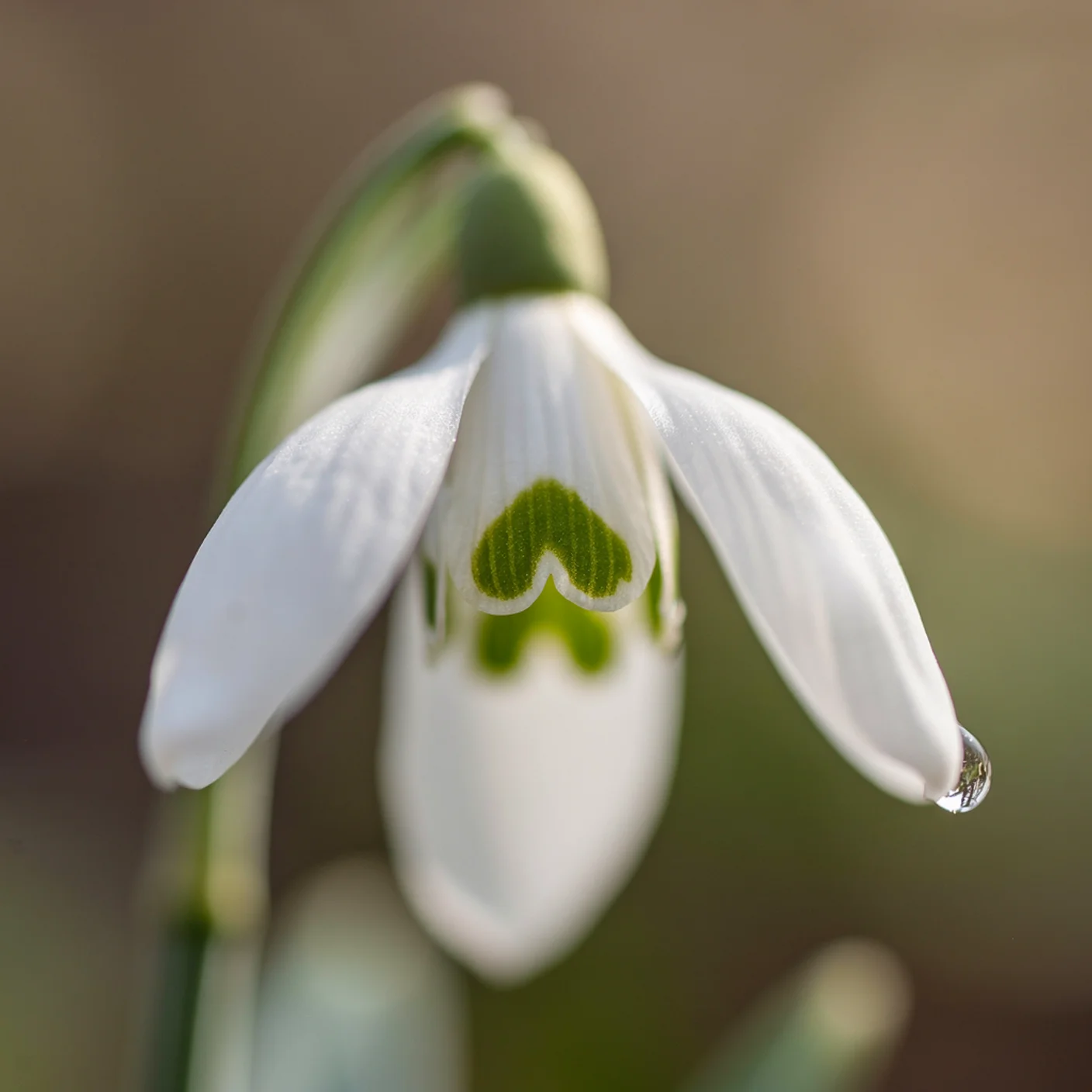
I love how they move — they tremble in the slightest breeze, all those little bell-shaped heads nodding like a quiet congregation. And if you turn one upside down, there's a tiny green heart marking on the inner petals. I didn't notice that for years, and when I finally did, I genuinely felt like I'd been given a gift.
They're not really a cut flower. You could pick a few, and I have, but they look best where they grow — in drifts under trees, along path edges, naturalised in grass. They're a flower you visit rather than a flower you take home.
If you don't have any in your garden, plant bulbs in the green in late winter. They'll establish and spread, and in a few years you'll have your own private February miracle.
Where to Buy
If you want to try snowdrop for yourself, here's where I'd point you:
We may earn a small commission from purchases made through our links, at no extra cost to you.
✿ From the folklore cabinet
In folklore, snowdrops are the flower of hope — some say they sprang up when Eve wept leaving the Garden of Eden, and an angel turned her tears into flowers to show that spring would come. I think about that every February, watching them push through the frost.