Monkshood
Aconitum 'Spark's Variety'
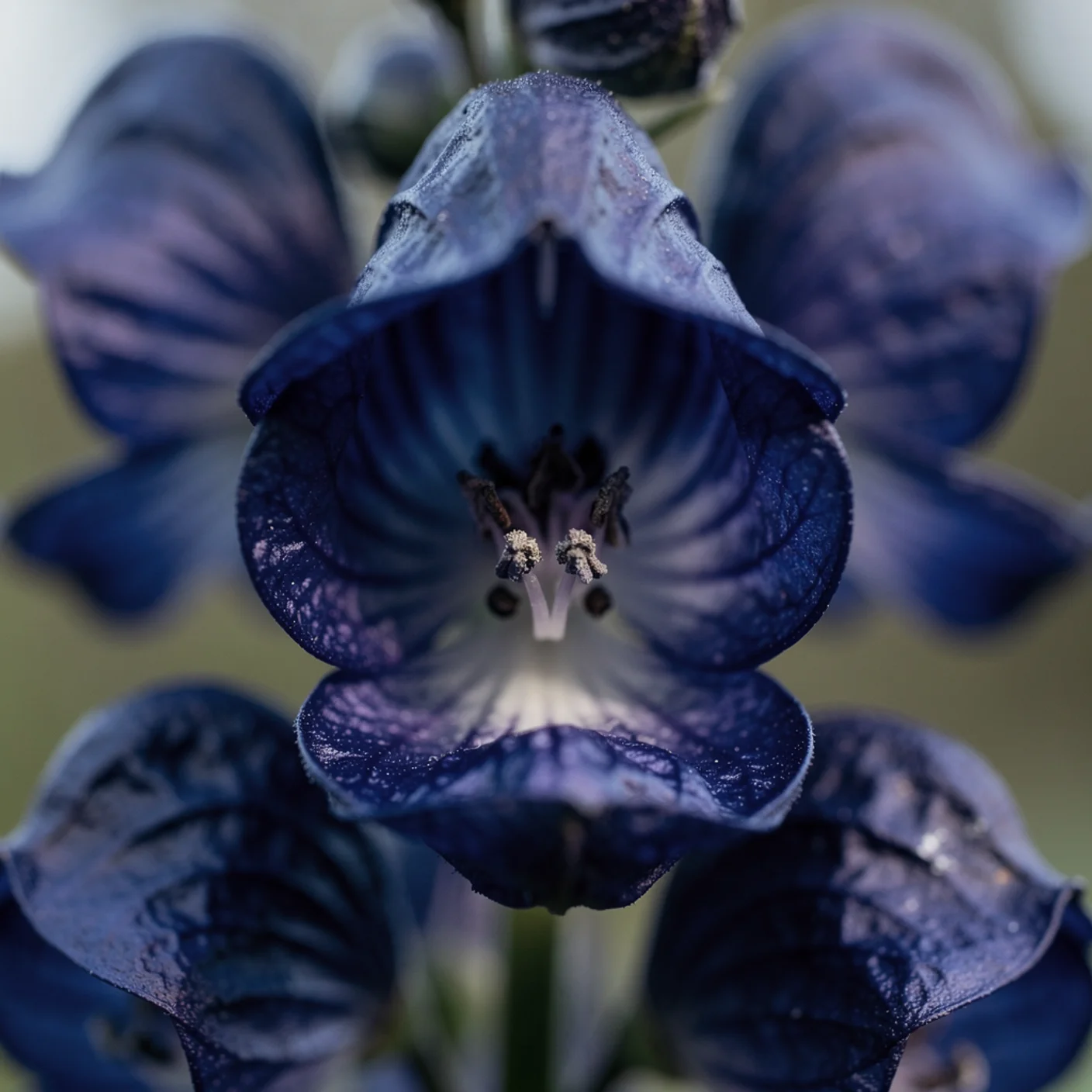
“Autumn's darkest, most dramatic blue. 'Spark's Variety' is gorgeous and genuinely dangerous — always wear gloves, and never stop admiring it.”
— ROSIE
Rosie's Take
Monkshood is the flower I never entirely trust, which is part of why I love it. Every part of this plant is seriously poisonous — roots, leaves, flowers, the lot. Aconitum has been used as an arrow poison, a wolf poison, and, according to several grim historical accounts, a murder weapon. It's the most toxic plant commonly grown in British gardens. And it's absolutely gorgeous.
'Spark's Variety' flowers late — September and October, when most blues in the garden have packed up — and the colour is a deep, saturated indigo that borders on navy. The hooded flowers are arranged on tall, branching spikes, and they have a Gothic, architectural quality that nothing else in the autumn border matches. They look like they belong in a medieval illuminated manuscript.
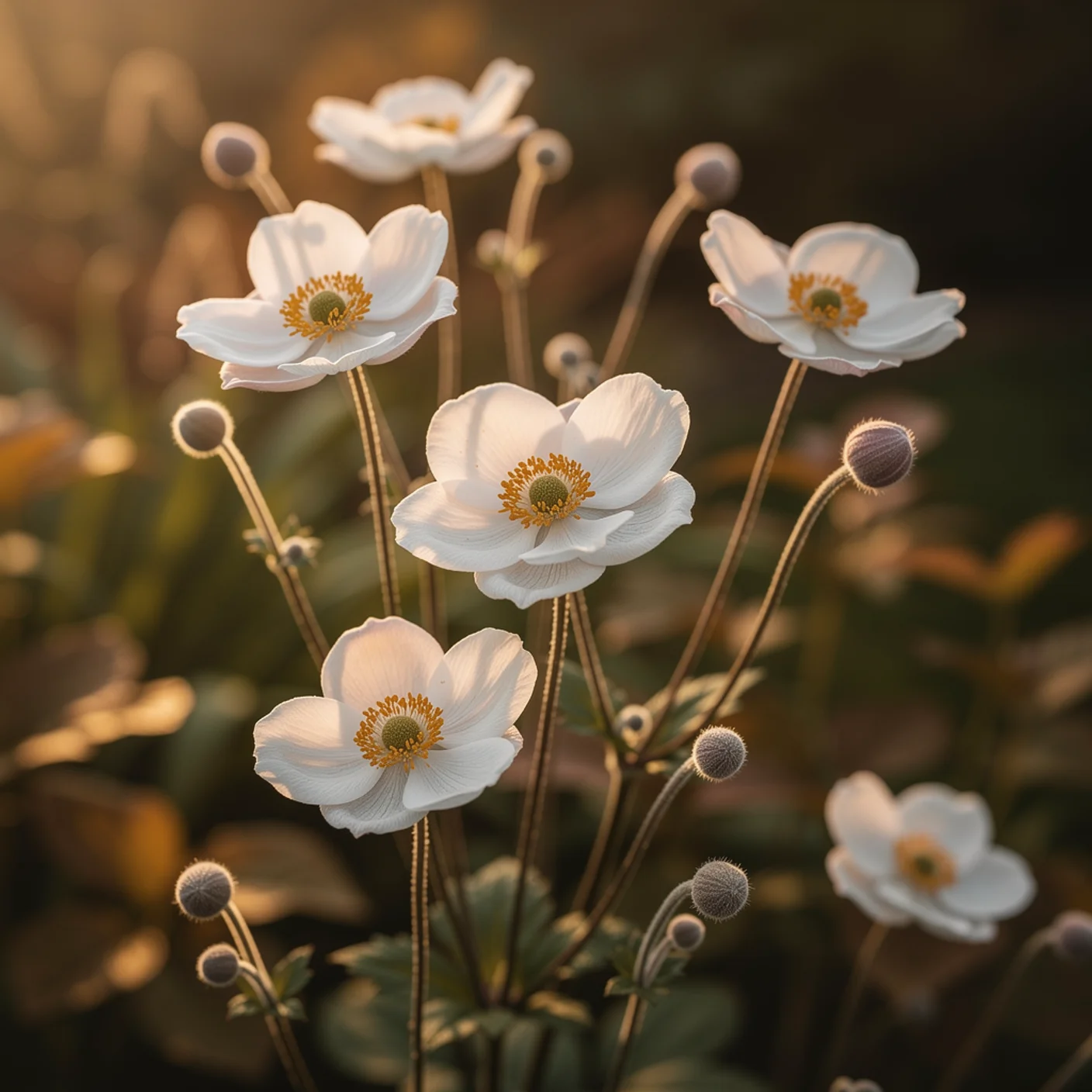
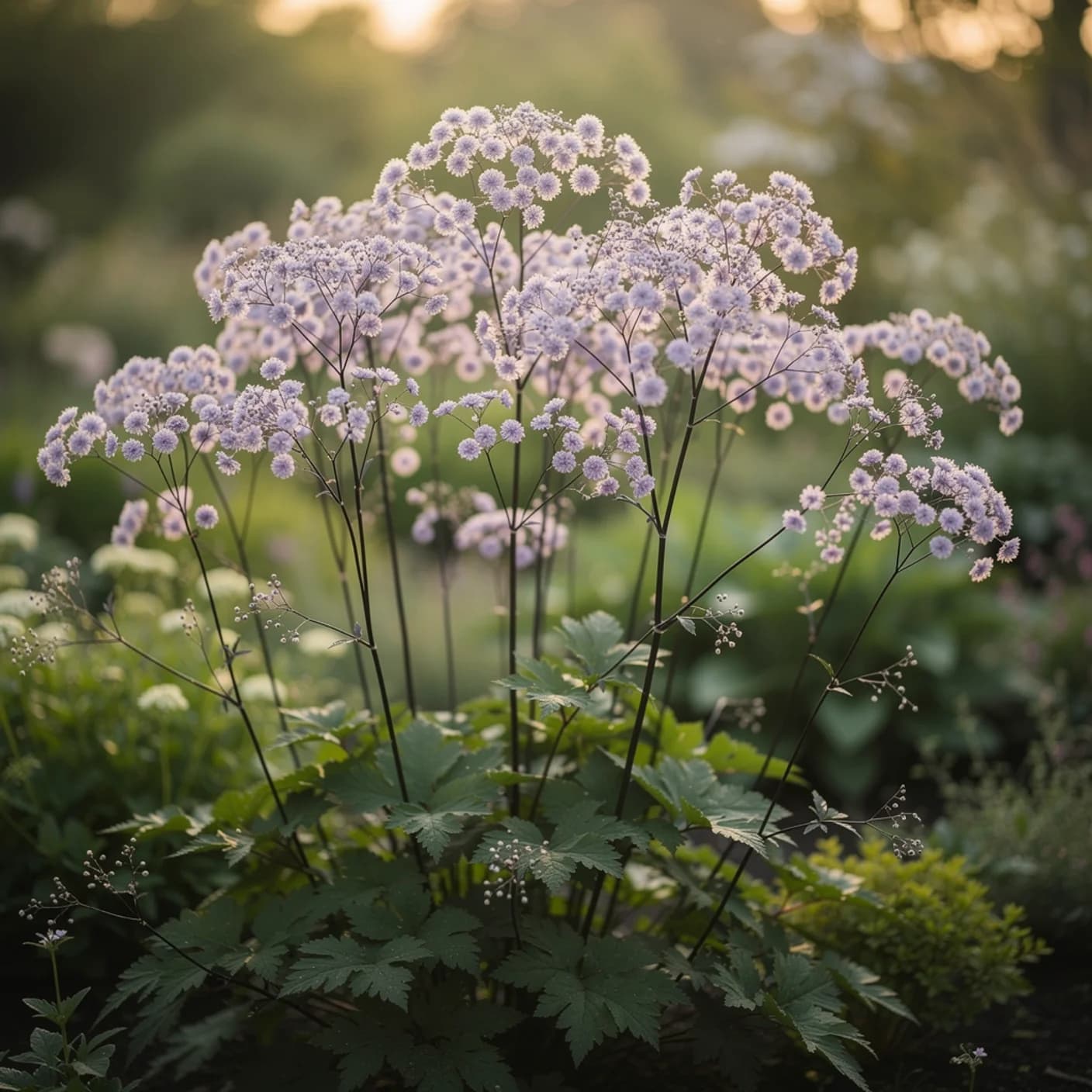
I grow them at the back of a border with Japanese anemones and thalictrum, and in late September that combination — the dark indigo spires behind the pale pink anemone cups — is one of the best things my garden does all year. The colour deepens in overcast light, becoming almost black-blue, which gives the whole border a moody, atmospheric quality.
A word of caution: always wear gloves when handling monkshood. The toxins can be absorbed through the skin, and this isn't one of those plants where the danger is theoretical. It's real. I find that edge of danger oddly compelling — the beauty and the threat existing in the same plant, inseparable. The garden isn't always safe, and I think that's part of what makes it interesting.
Where to Buy
If you want to try monkshood for yourself, here's where I'd point you:
We may earn a small commission from purchases made through our links, at no extra cost to you.
✿ From the folklore cabinet
The name 'monkshood' comes from the shape of the flower, which resembles a cowled monk. Other common names are less charming: wolfsbane, devil's helmet, queen of poisons. In Greek mythology, aconitum sprang from the saliva of Cerberus, the three-headed dog guarding the underworld — Hercules dragged the beast to the surface and its drool fell on the rocks, and wherever it landed, monkshood grew. The plant was used to poison wolves in medieval Europe, which is where 'wolfsbane' comes from. Even its beauty has a dark origin story.