Rudbeckia
Goldsturm
“September's golden anchor. 'Goldsturm' keeps the garden blazing when everything else is thinking about stopping.”
— ROSIE
Rosie's Take
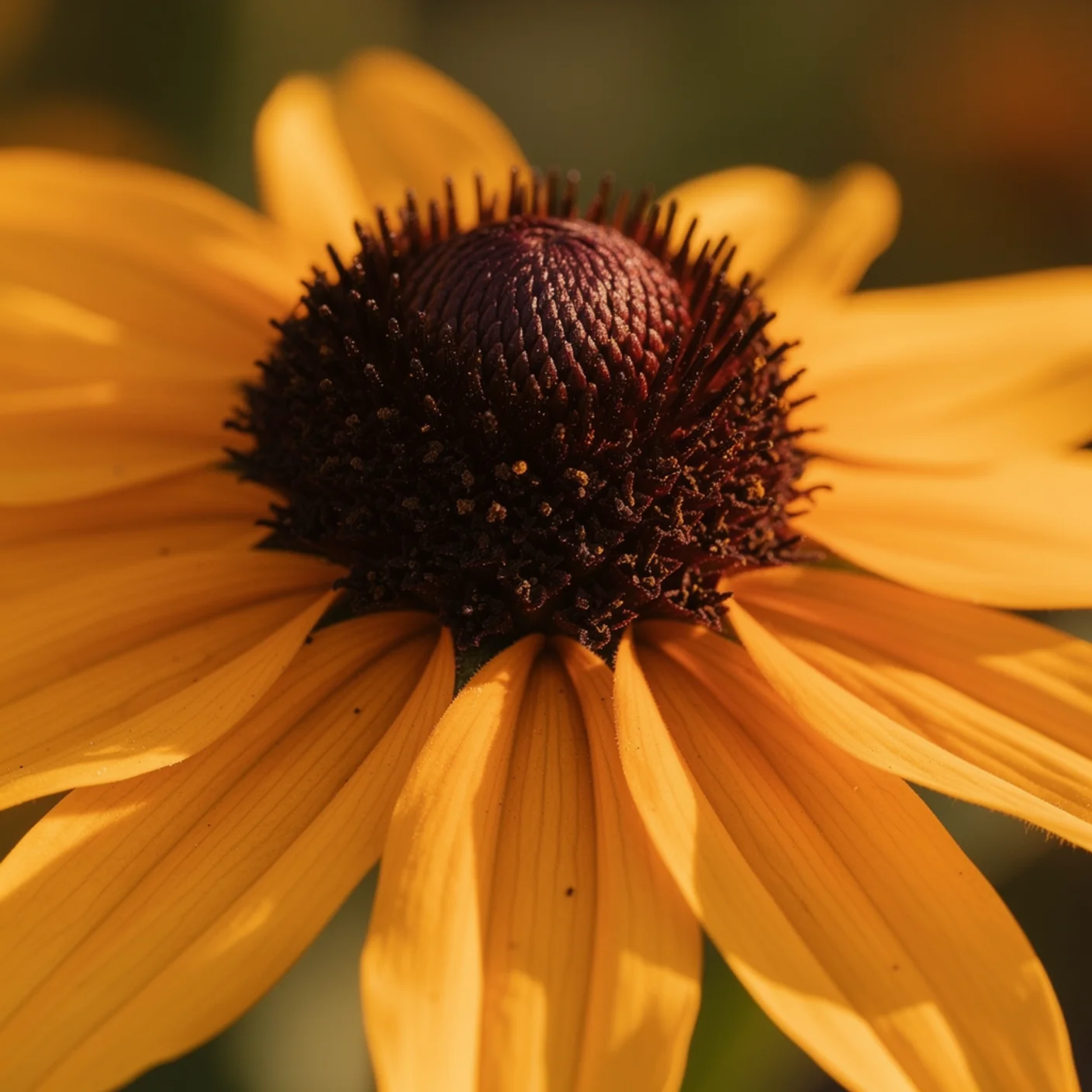
There's a moment in September when the garden could go either way — it could start winding down into grey resignation, or it could blaze. 'Goldsturm' is the reason mine blazes. Those golden-yellow petals around a dark chocolate cone — it's like a more sophisticated sunflower, one that went to art school.
Rudbeckia is North American originally, but 'Goldsturm' has become one of the most planted perennials in British gardens, and for good reason. It flowers from August well into October, which is when you're most desperate for something still going strong. When the dahlias are starting to look tired and the roses have given their last, rudbeckia is still there, solid and reliable and golden.
The dark centres are what make it. Without them you'd just have a yellow daisy, pleasant enough but not particularly interesting. With them, there's a contrast that catches the eye from right across the garden. And as the petals eventually drop, those dark cones persist through winter — standing up through frost and snow, architectural and rather lovely in their own stark way.
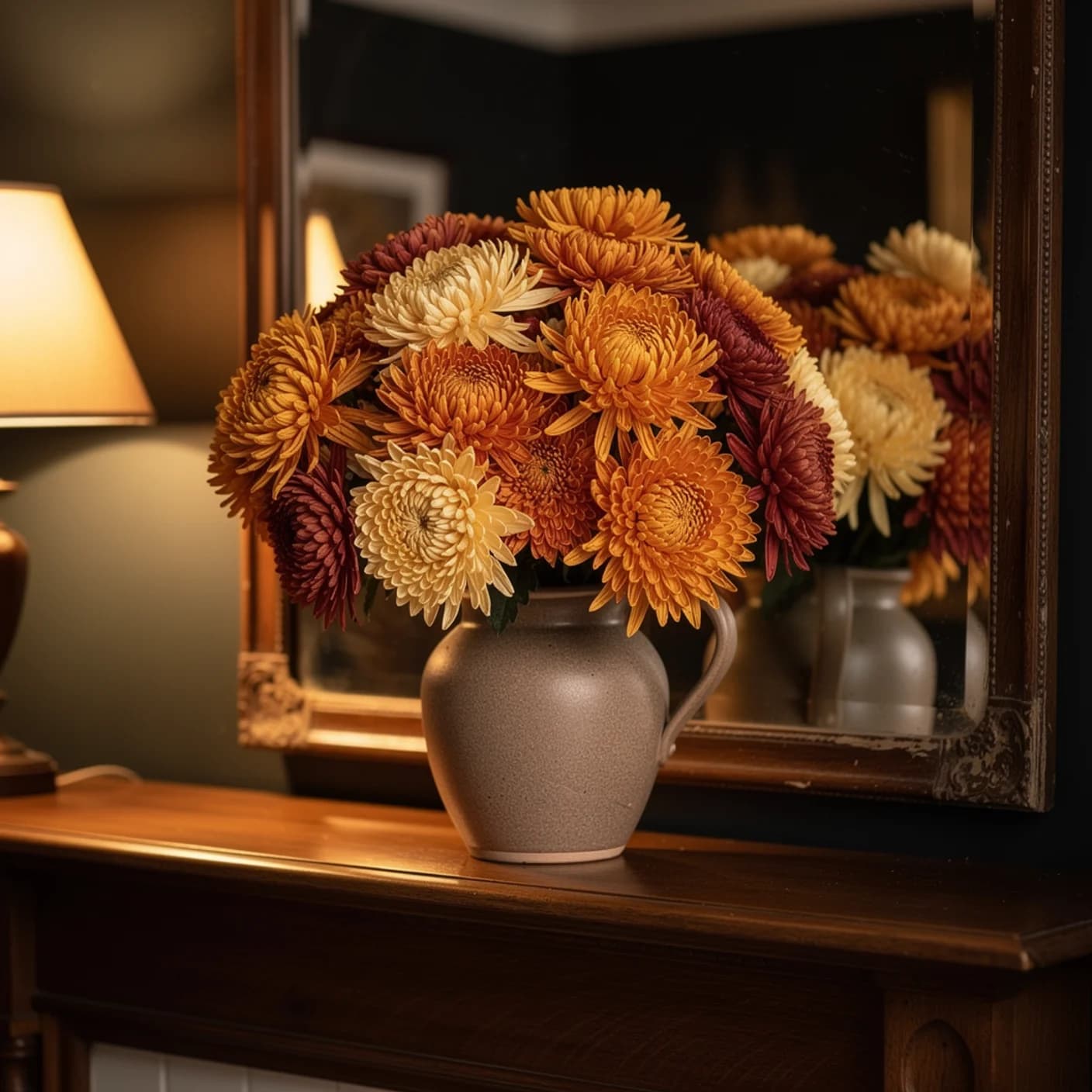
I cut them for the kitchen table all through autumn. They last well in water and they mix brilliantly with dahlias, chrysanthemums, and grasses. A jar of rudbeckia, some dried grass heads, and a few stems of sedum is my idea of a perfect October arrangement.
Where to Buy
If you want to try rudbeckia for yourself, here's where I'd point you:
Also available as seeds — Rudbeckia fulgida 'Goldsturm' - Seeds →
We may earn a small commission from purchases made through our links, at no extra cost to you.
✿ From the folklore cabinet
Rudbeckia is named after Olof Rudbeck, a Swedish botanist who was Linnaeus's teacher. 'Goldsturm' means 'gold storm' in German, which is one of those names that's so perfectly descriptive you wonder why anyone bothers with botanical Latin. Black-eyed Susans, as they're commonly known, symbolise encouragement — fitting for a flower that's still going when everything else has given up.