Chinese Lantern
Physalis
“Autumn's most theatrical dried flower. Those burnt-orange lanterns last all winter and the skeletal forms that follow are equally extraordinary.”
— ROSIE
Rosie's Take
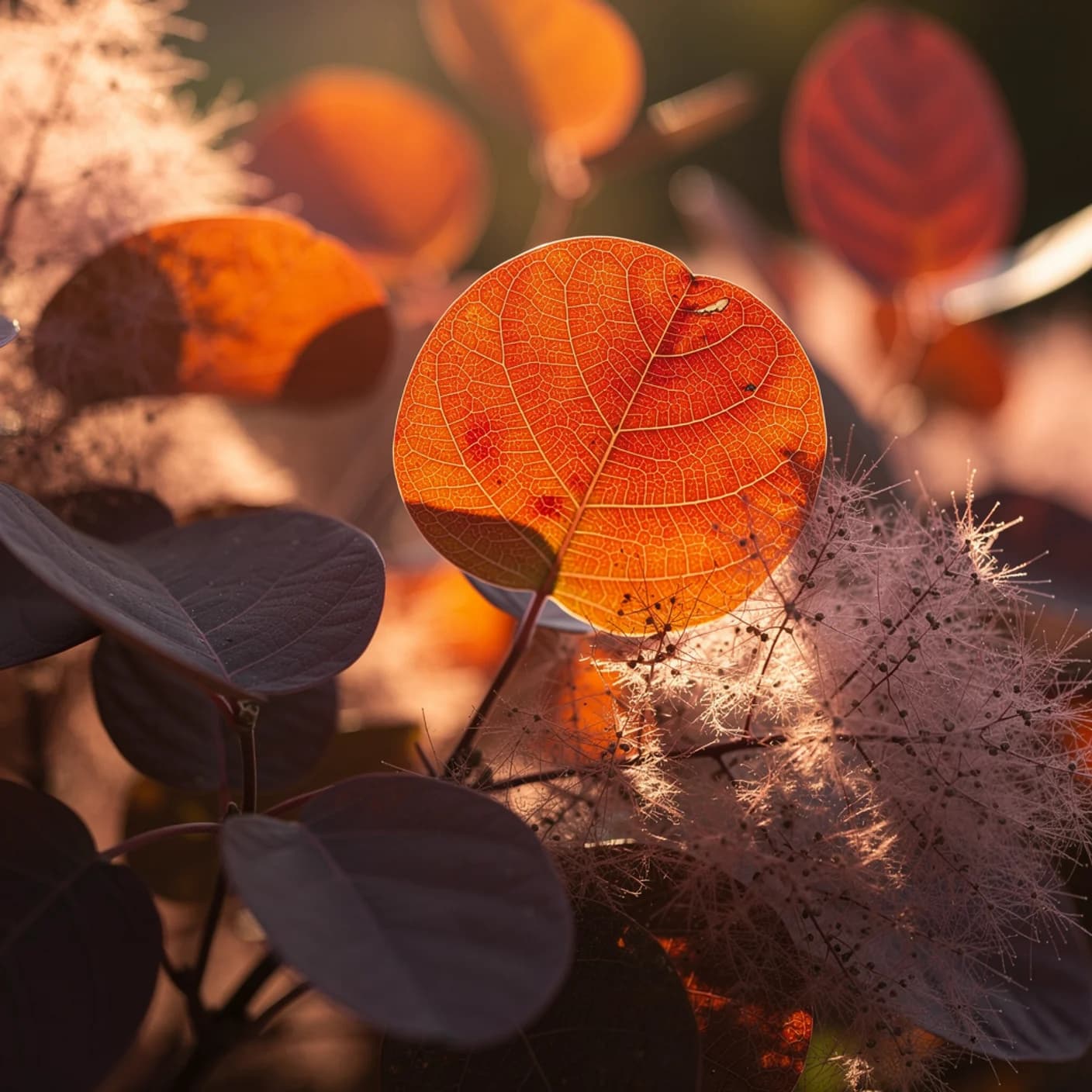
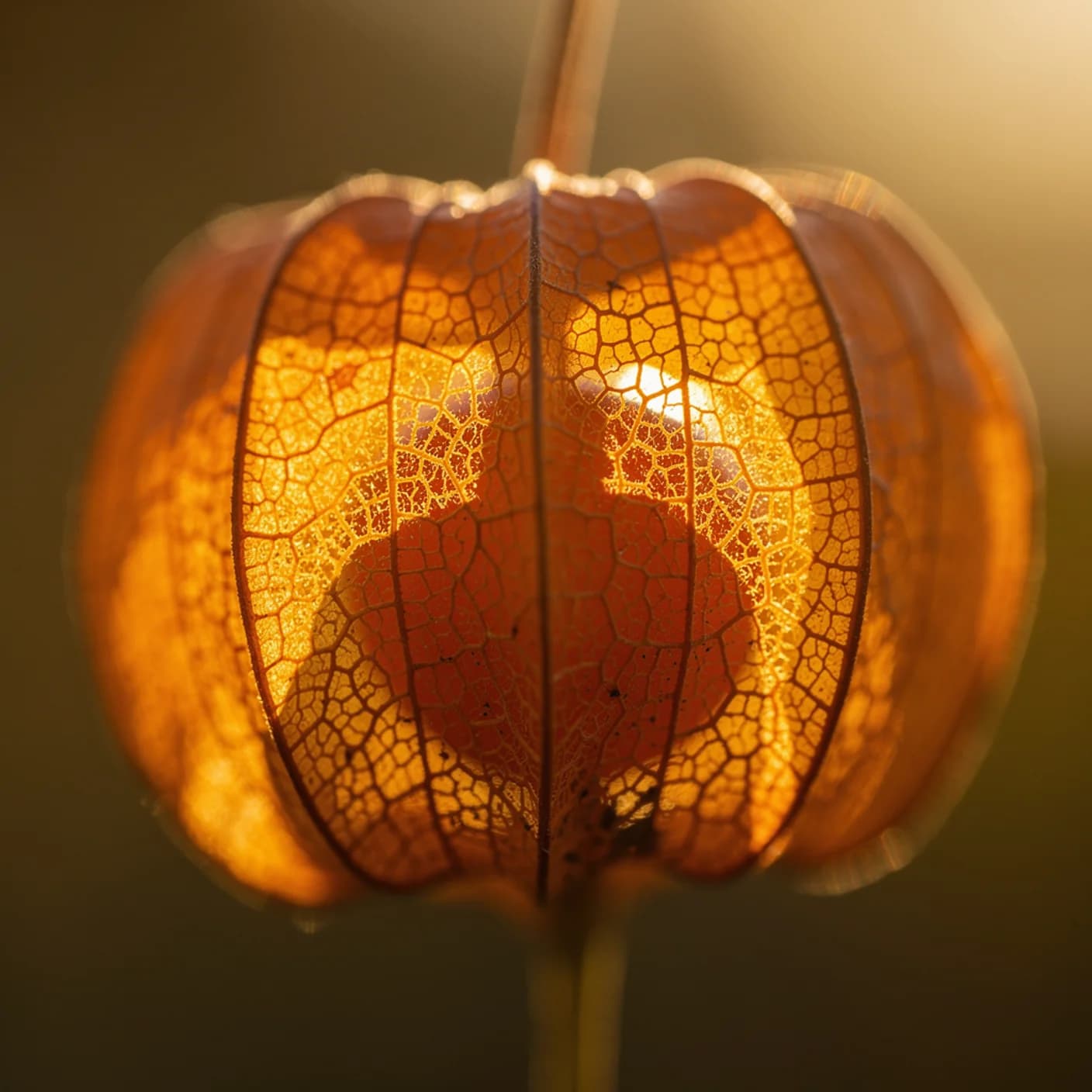
There's a moment in October when the papery lanterns of Physalis turn from green to that unmistakable burnt orange, and suddenly you have the most architectural thing in the garden. Each lantern is a perfectly formed, inflated calyx — like a tiny paper lamp — and inside each one sits a single red berry like a hidden jewel.
I grow them partly for this autumn moment and partly for the dried stems that follow. Cut them when the lanterns are fully coloured and hang them upside down, and they keep their form and that fierce orange all through winter. A bunch of dried Chinese lanterns in a tall vase is one of those arrangements that looks like you spent hours on it when actually you just stuck some stems in a pot and walked away.
A word of warning — they spread. Underground runners send new shoots up everywhere, and if you're not paying attention you'll find them popping up three metres from where you planted them. I've contained mine in a large pot sunk into the border, which keeps them enthusiastic but manageable.
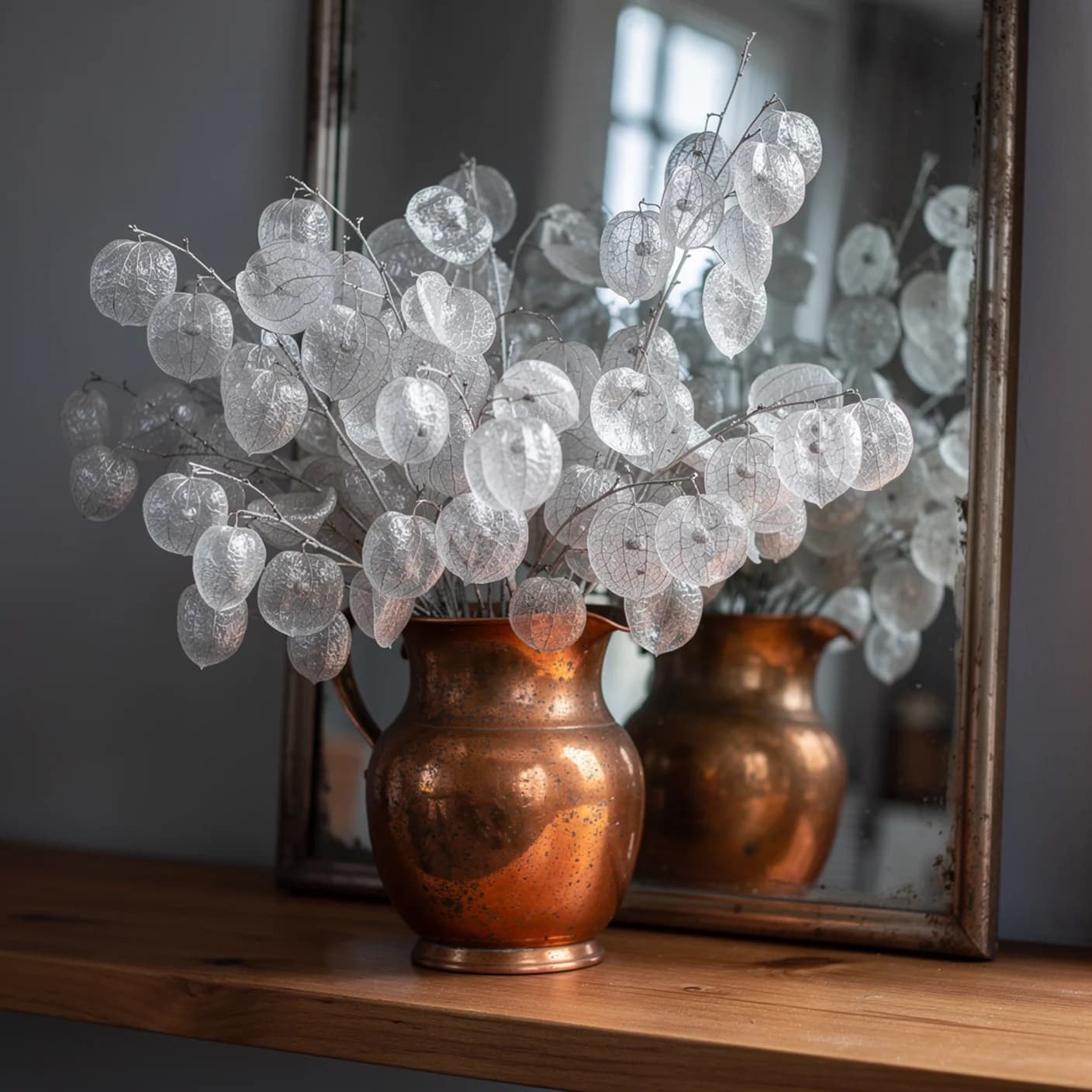
The fresh lanterns are extraordinary if you hold one up to the light — they're translucent, and the veining becomes visible like a tiny stained-glass window. By late autumn, the papery covering starts to decay into a skeleton of fine veins, revealing the red berry inside. The decay is as interesting as the peak, which is something I always look for in a plant.
Where to Buy
If you want to try chinese lantern for yourself, here's where I'd point you:
Also available as seeds — Physalis alkekengi - Seeds →
We may earn a small commission from purchases made through our links, at no extra cost to you.
✿ From the folklore cabinet
Physalis has been grown in Europe since at least the sixteenth century, and the name comes from the Greek 'physa,' meaning bladder — a reference to those inflated calyxes. In Japan, the plant is associated with the Obon festival of the dead, where the lanterns are used to guide the spirits of ancestors back home. I find that rather moving — flowers as a kind of lighthouse.