Persicaria
Firetail
“The autumn border's hardest worker. Intense crimson poker-spikes from midsummer to the first frosts, on a plant that asks for almost nothing. Divide it and share with friends.”
— ROSIE
Rosie's Take
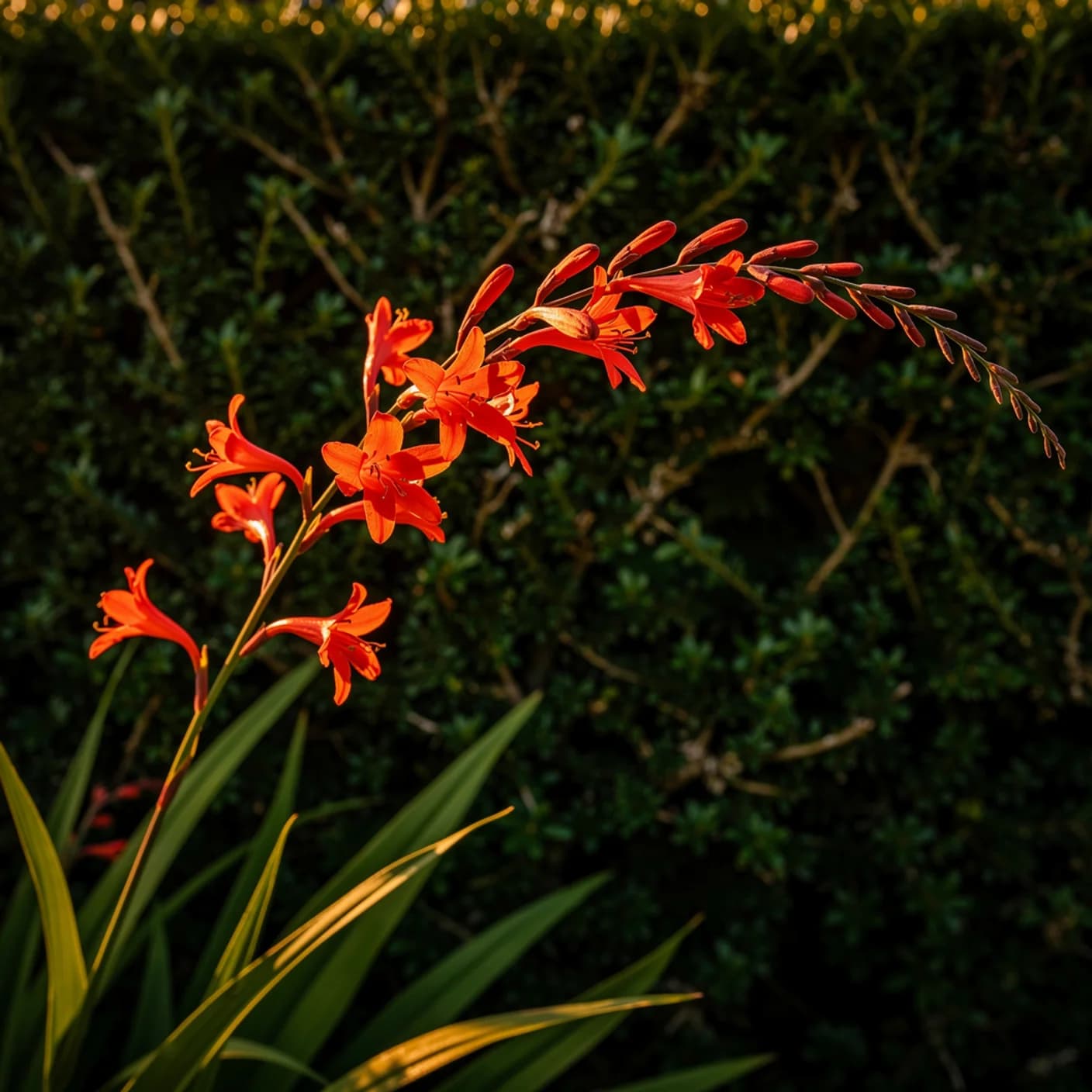
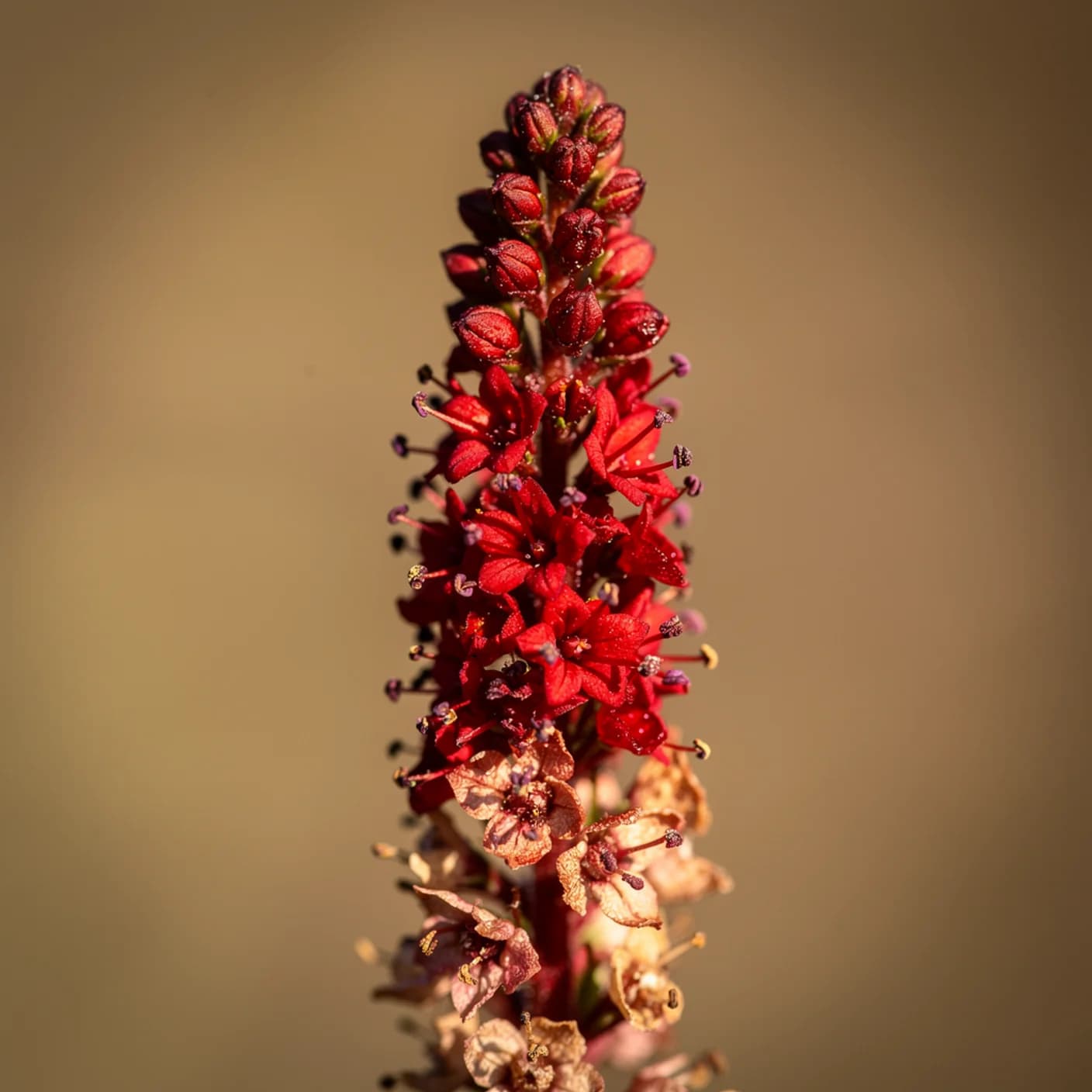
Persicaria amplexicaulis 'Firetail' is the plant I point to when someone tells me they can't get colour in their garden after August. It starts flowering in July and keeps going until November — sometimes later if the autumn is mild. That's four months of these slender, poker-straight spikes of intense crimson-red, held on strong stems above a mound of large, heart-shaped leaves. Four months. I know perennials that can barely manage four weeks.
The flower spikes are narrow and upright — maybe four inches long, densely packed with tiny flowers that open from the bottom upward. The colour is rich without being garish — a true crimson that leans warm rather than blue, and glows in the low autumn light. In September, when the angle of the sun drops and everything takes on that golden quality, 'Firetail' is luminous.
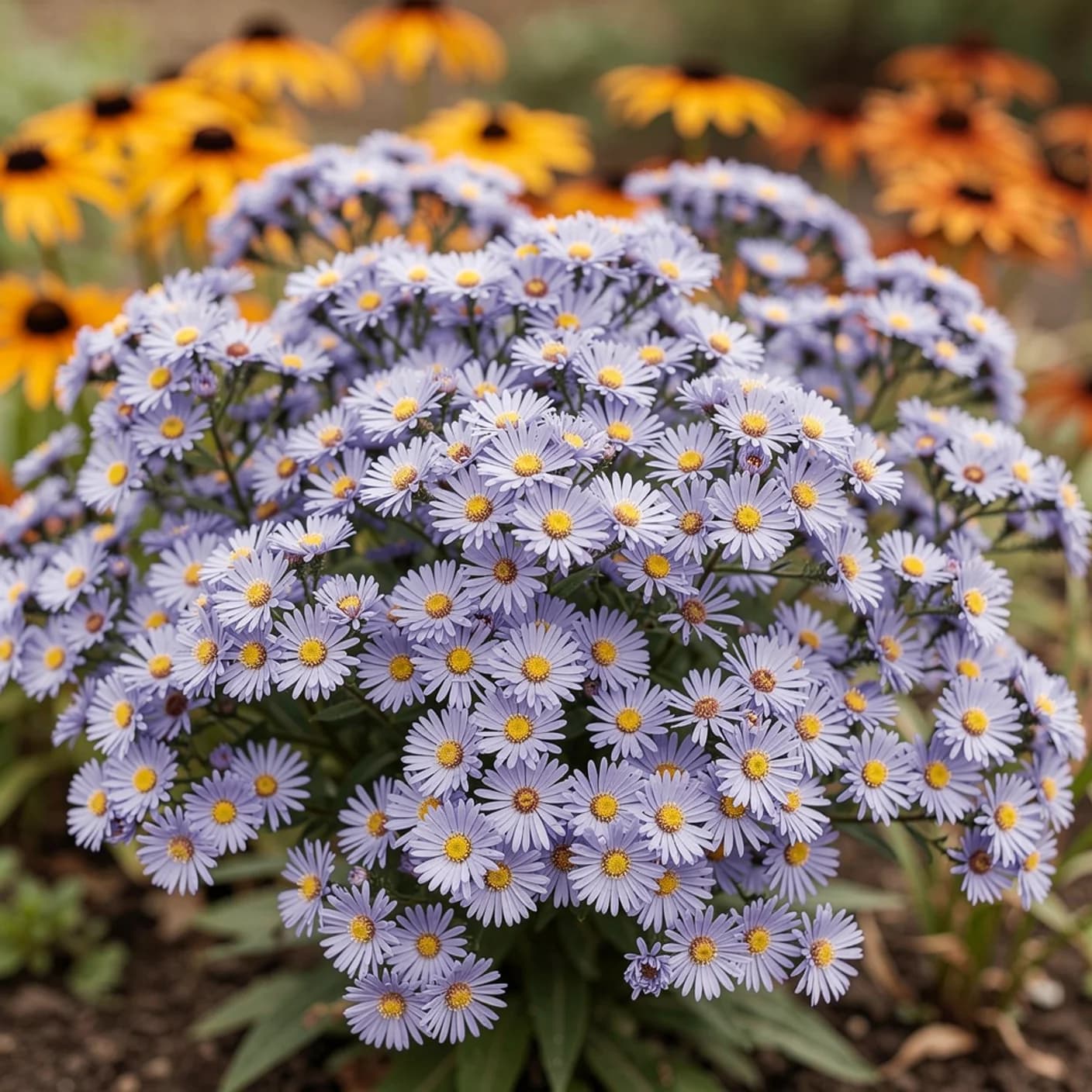
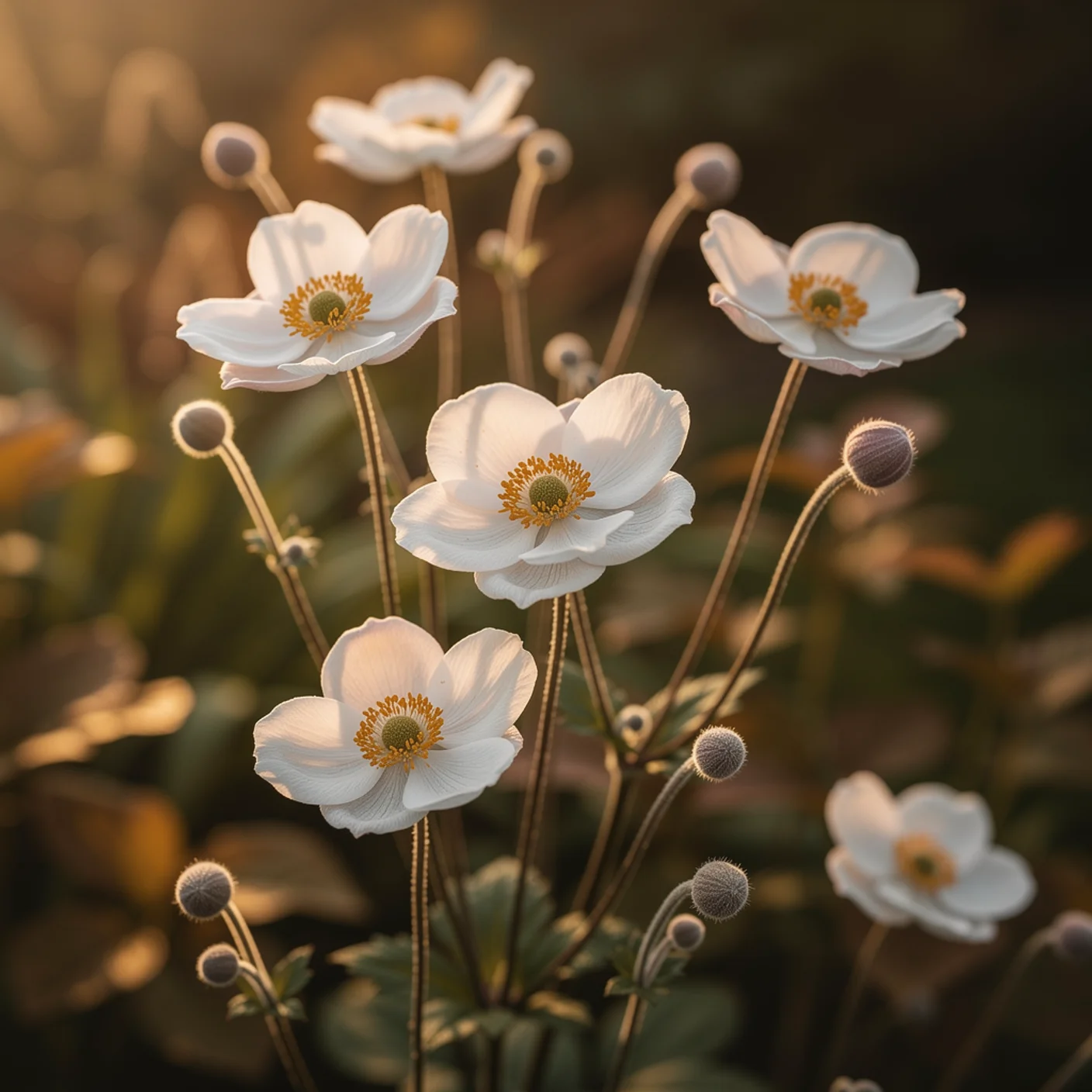
I grow mine in a border with Aster 'Little Carlow' and Anemone x hybrida, and the combination in late September is one of the best things in the garden — crimson spikes, lavender-blue daisies, and white anemone cups. It's the autumn border I spent years trying to get right, and this persicaria is the backbone of it.
It's tough. Properly, unfussily tough. It'll grow in sun or partial shade, in most soils, and it forms a dense clump that gets bigger each year without becoming invasive. The foliage is handsome enough to earn its place even before the flowers arrive. I divide mine every three or four years — more to share with friends than because it needs it. A plant this generous deserves to be passed around.
Where to Buy
If you want to try persicaria for yourself, here's where I'd point you:
We may earn a small commission from purchases made through our links, at no extra cost to you.
✿ From the folklore cabinet
Persicaria means 'peach-like,' a reference to the leaf shape of some species. The amplexicaulis part means 'stem-clasping,' describing how the leaves wrap around the stem at their base. It's a Himalayan native, found in meadows and forest edges at altitude — which explains why it's so comfortable in the British climate. Persicaria was once classified as Polygonum, the knotweed family, and this unfortunate association still makes some gardeners nervous. 'Firetail' is nothing like Japanese knotweed. It's well-behaved, clump-forming, and won't eat your house. Promise.