Eremurus
Cleopatra (Foxtail Lily)
“The garden's most theatrical vertical. 'Cleopatra' is a splurge, but one spike in flower makes every penny feel like an investment.”
— ROSIE
Rosie's Take
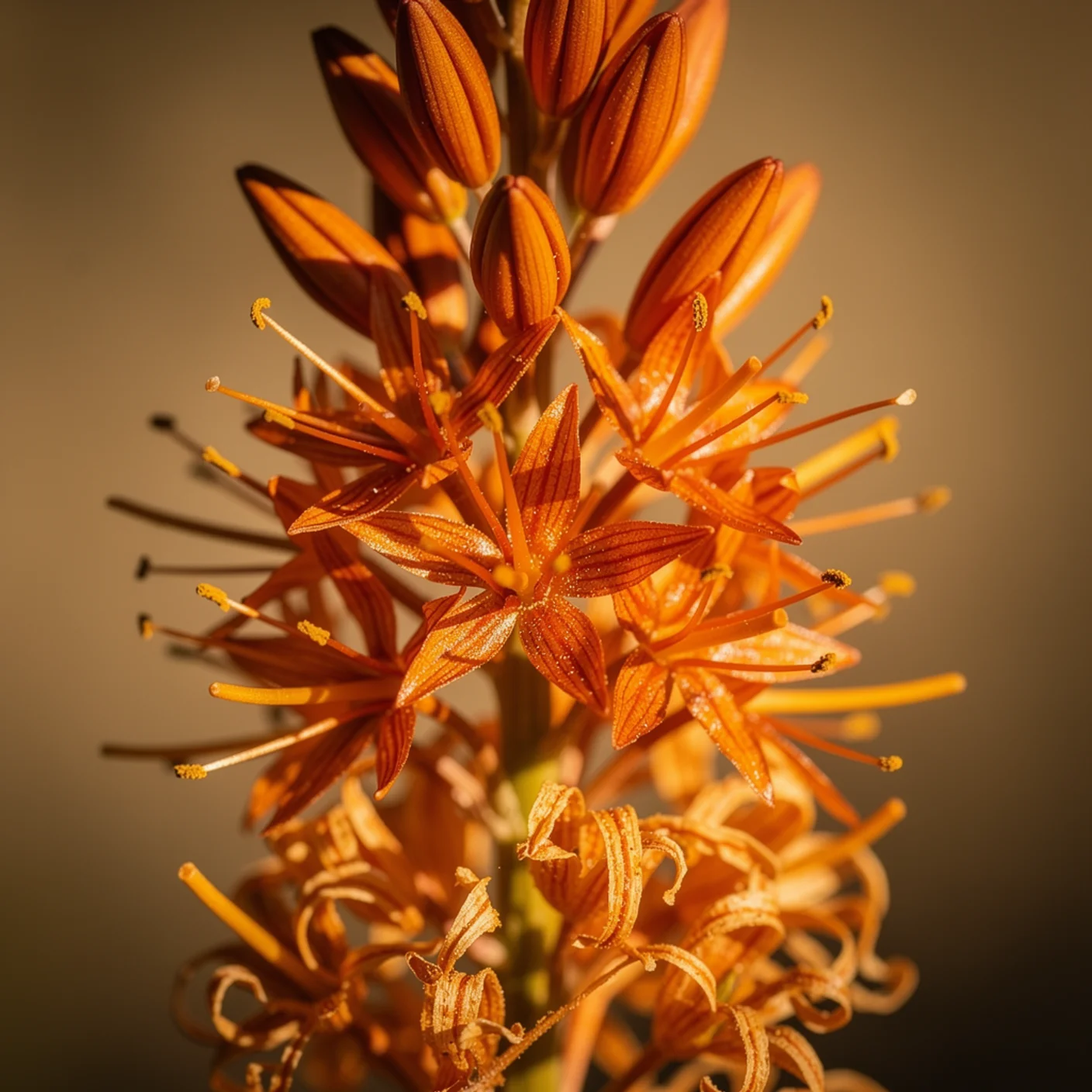
Eremurus is the flower for the person who thinks their garden needs more drama. Those towering spires — four, five, sometimes six feet tall — erupting from a border like botanical rockets, densely packed with hundreds of tiny star-shaped flowers that open from the bottom upward in a slow, fiery wave. 'Cleopatra' is the variety that made me gasp the first time I saw it: a warm, burnt orange that deepens to copper at the base and fades to a peachy gold at the tip.
They're the kind of plant that looks like it should be difficult, but isn't. The starfish-shaped root tubers go in the ground in autumn, splayed out on a mound of grit for drainage, and then you wait. The strap-shaped leaves appear in spring, looking unpromising. Then in June, the flower spike begins to rise, and rise, and rise — growing visibly day by day — until it's towering above everything else in the border. The progression from tight bud to fully open spike takes about two weeks, and each stage is beautiful.
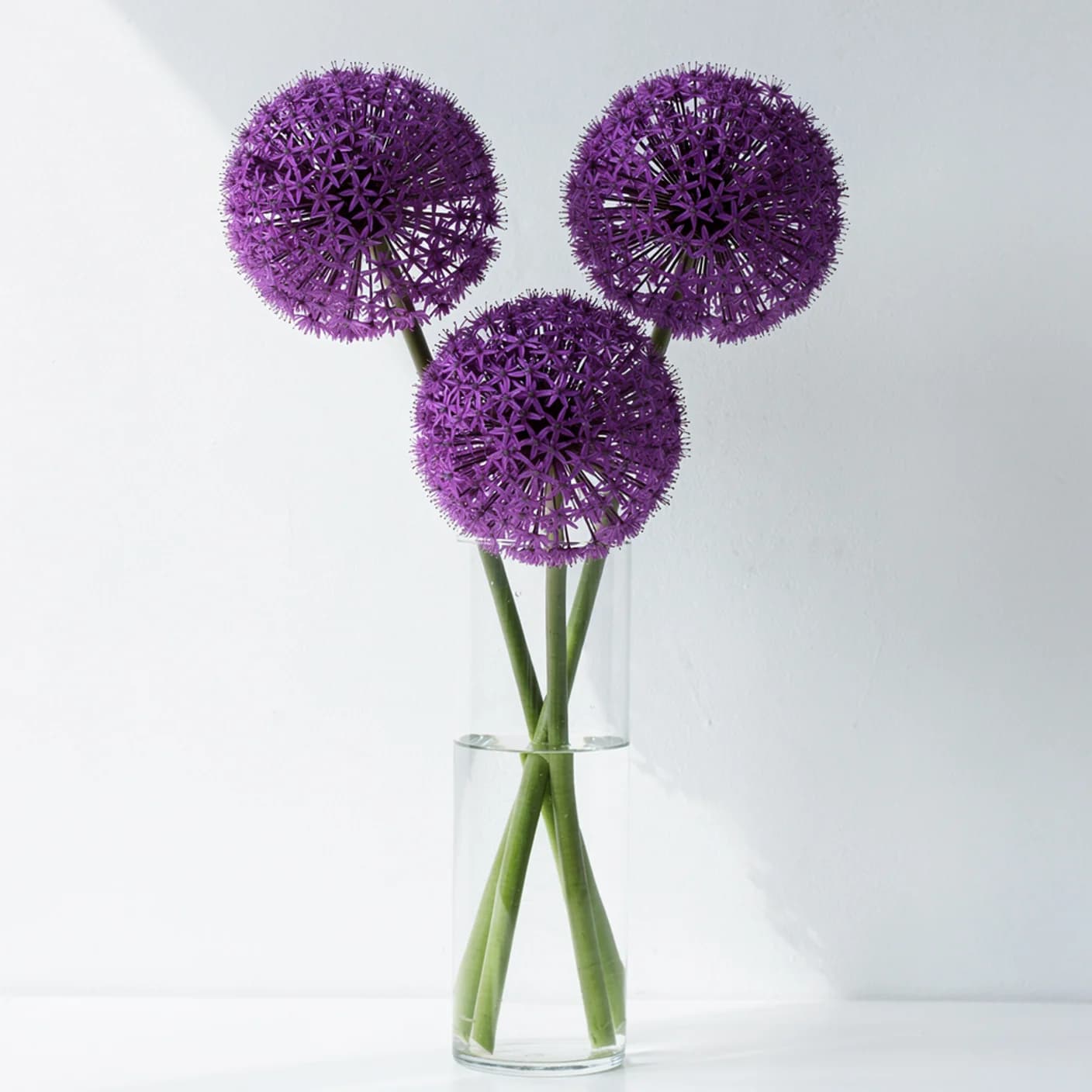
In a border with alliums and delphiniums, the vertical accent of an eremurus spike is electric. The warm orange of 'Cleopatra' against the purple of alliums is one of those colour combinations that looks accidental and deliberate at the same time.
They're expensive. I won't pretend otherwise — the tubers cost real money. But one spike in flower justifies every penny. It's the kind of impact that makes visitors ask questions, and that's worth more than any number of reliable, sensible, affordable plants doing their reliable, sensible, affordable thing.
Where to Buy
If you want to try eremurus for yourself, here's where I'd point you:
“The Blossomist occasionally carry eremurus as premium seasonal stems — they're breathtaking in a tall vase, the most dramatic single stem you can buy.”
Order This Flower →We may earn a small commission from purchases made through our links, at no extra cost to you.
✿ From the folklore cabinet
Eremurus means 'desert tail' in Greek — the plants are native to the dry steppes and mountains of Central Asia, from Turkey through Iran to the Himalayas. The common name 'foxtail lily' is more evocative, though they're not actually lilies. In Afghanistan, the starchy roots are cooked and eaten, and a glue made from the roots has been used for centuries in bookbinding and leatherwork. The Victorian plant hunters who first brought eremurus to British gardens in the nineteenth century were astonished by them — here was a plant that looked like it belonged in a fantasy, growing in real soil.