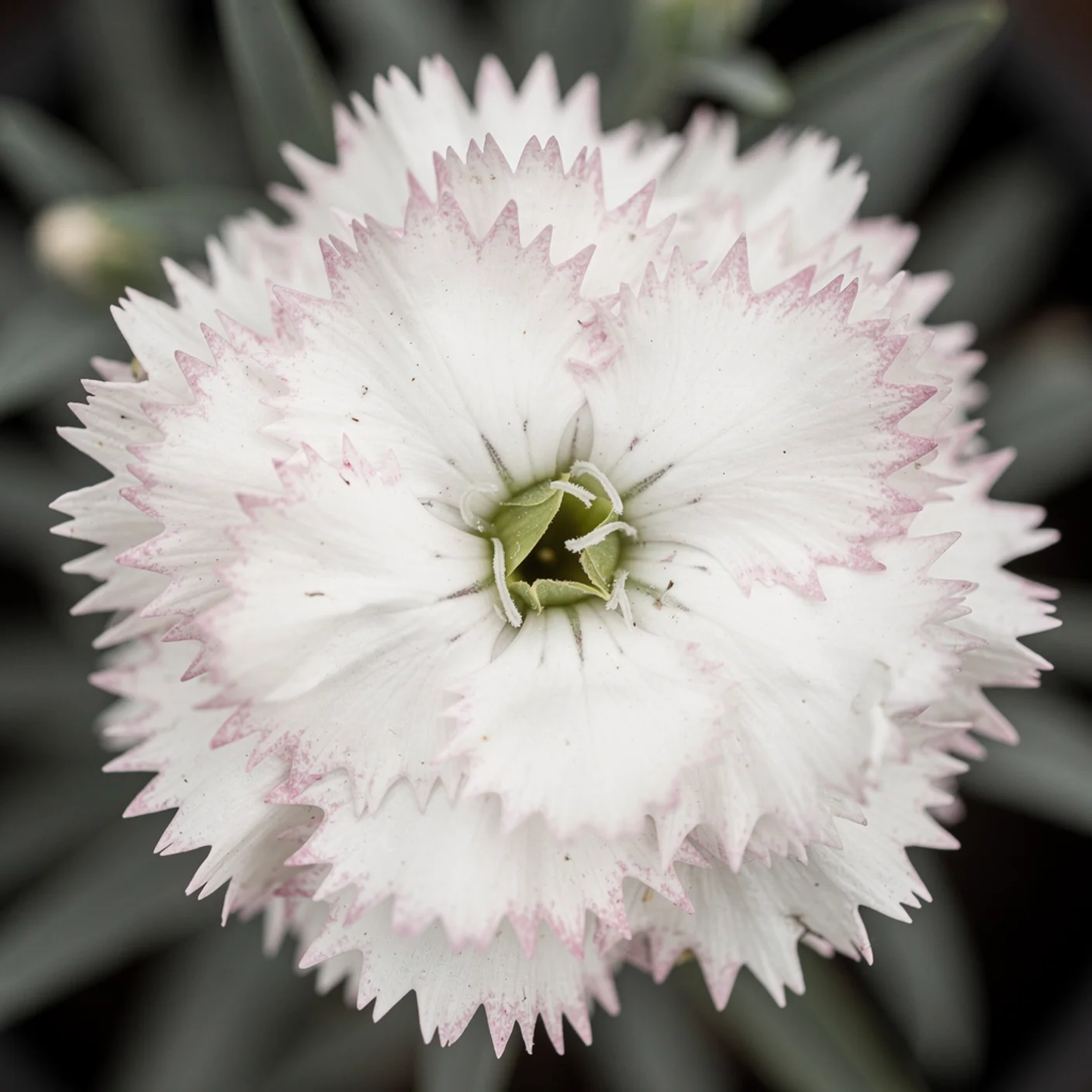
Dianthus
Mrs Sinkins
“The most beautifully scented garden pink in existence. Shaggy white flowers, intense clove perfume, and a love story that's lasted a hundred and fifty years.”
— ROSIE
Rosie's Take
If I could bottle one garden scent, it would probably be this. Dianthus 'Mrs Sinkins' is an old-fashioned garden pink — the kind that grows in a low, grey-green cushion at the front of a border or spilling over the edge of a path — and it has the most extraordinary perfume of any plant I've grown. Rich, warm, intensely clove-scented, with something powdery underneath. It smells the way your grandmother's linen drawer did, or the way a really good old-fashioned sweet shop used to smell. It's the scent of a particular kind of Englishness that doesn't really exist any more, except in this flower.
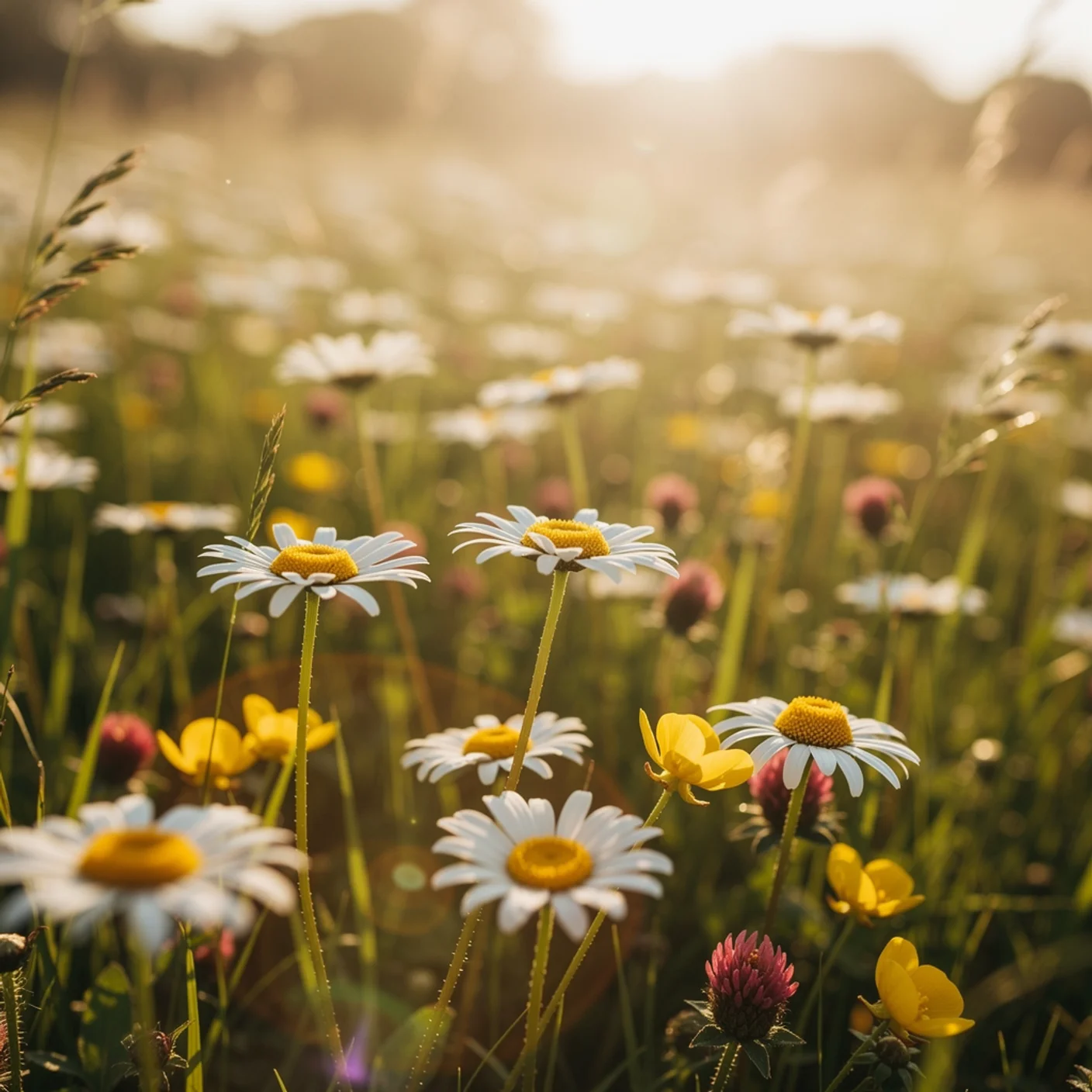
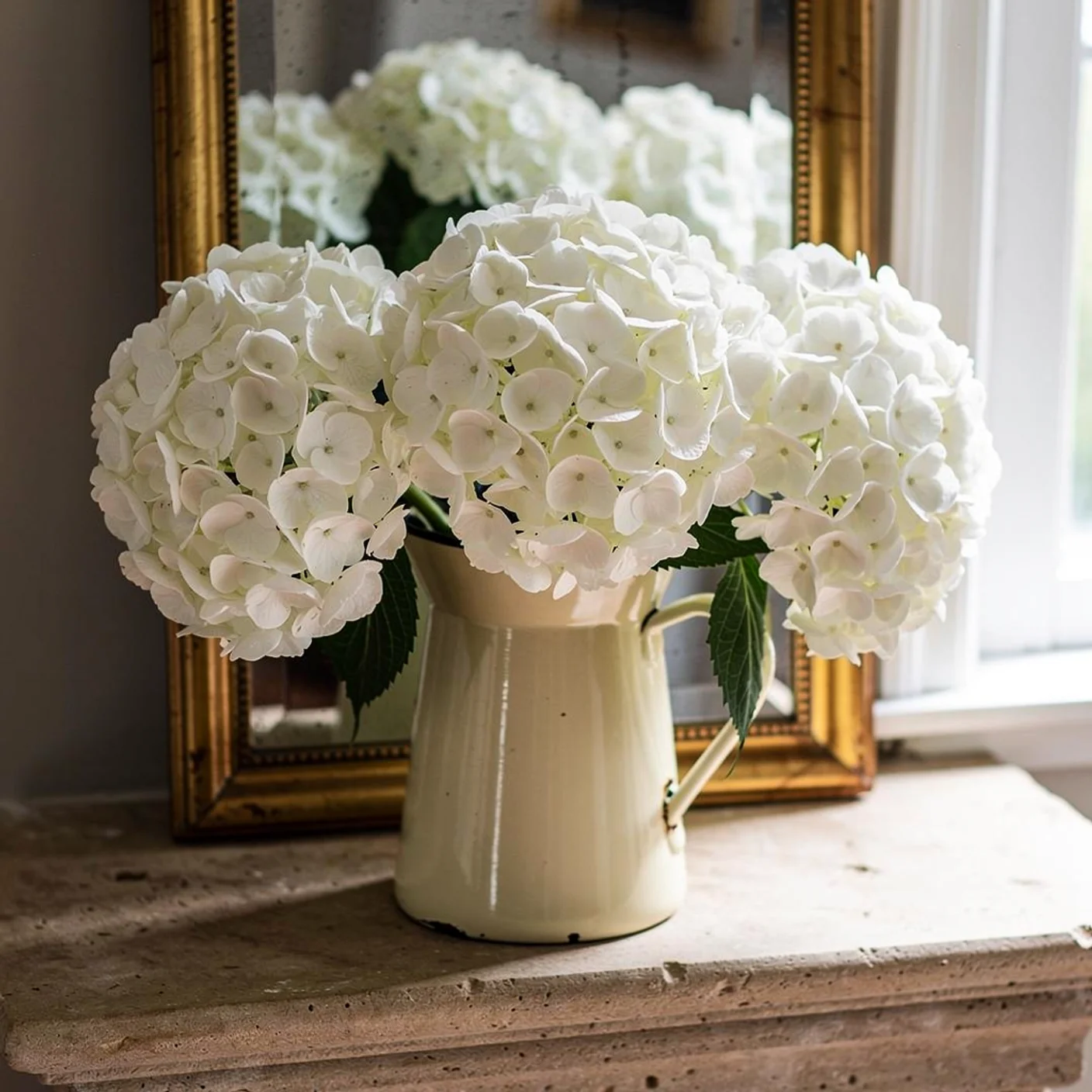
The blooms are white, deeply fringed, and slightly shaggy — they burst their calyces and look a bit dishevelled, which I love. 'Mrs Sinkins' has never been a tidy flower. She's the kind who turns up to the party with her hair slightly undone and is the most interesting person in the room. The petals have that ragged, pinked edge that gives dianthus their common name — as if cut with pinking shears.
She was raised by the master of Slough Workhouse in 1868 and named after his wife. I find that unbearably charming — a workhouse master, breeding pinks in whatever scrap of garden he had, and naming his best one for his wife. The flower has outlived them both by over a hundred and fifty years. That's a love letter that kept going.
Grow her in full sun, in poor, well-drained soil — she does not want to be coddled. A gravel path edge, a raised bed, a stone trough. She's tough, compact, and smells like heaven. Cut a few stems for a tiny vase on the kitchen windowsill in June, and the whole room changes.
Where to Buy
If you want to try dianthus for yourself, here's where I'd point you:
Also available as seeds — Dianthus barbatus nigrescens 'Sooty' - Seeds →
We may earn a small commission from purchases made through our links, at no extra cost to you.
✿ From the folklore cabinet
The name 'dianthus' means 'flower of the gods' — from the Greek dios (divine) and anthos (flower). Pinks have been cultivated in Britain since at least the Norman Conquest, and by the seventeenth century they were serious collector's plants, with hundreds of named varieties grown by specialist 'florists.' Mrs Sinkins was raised by John Sinkins, master of Slough Workhouse, around 1868. He named it for his wife Catherine. The variety became the most famous garden pink in Britain and has never been out of cultivation since. There are worse ways to be remembered.