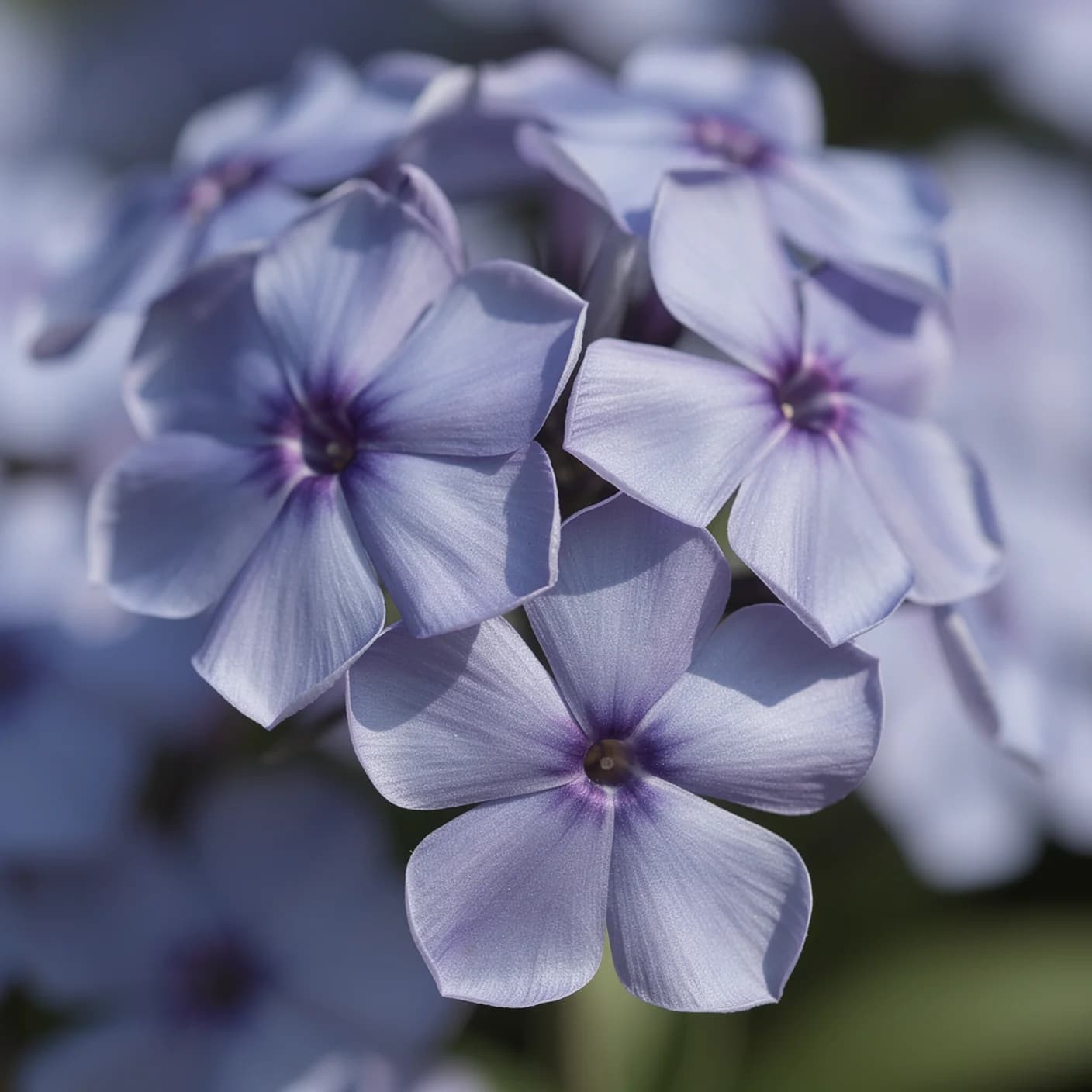
Phlox
Blue Paradise
“The scented summer flower you're probably overlooking. 'Blue Paradise' has the colour and the fragrance to rival anything in the border.”
— ROSIE
Rosie's Take
I didn't used to think much about phlox — it was just one of those background plants in other people's gardens, pleasant enough but not particularly exciting. Then I grew 'Blue Paradise' and had to completely revise my opinion.
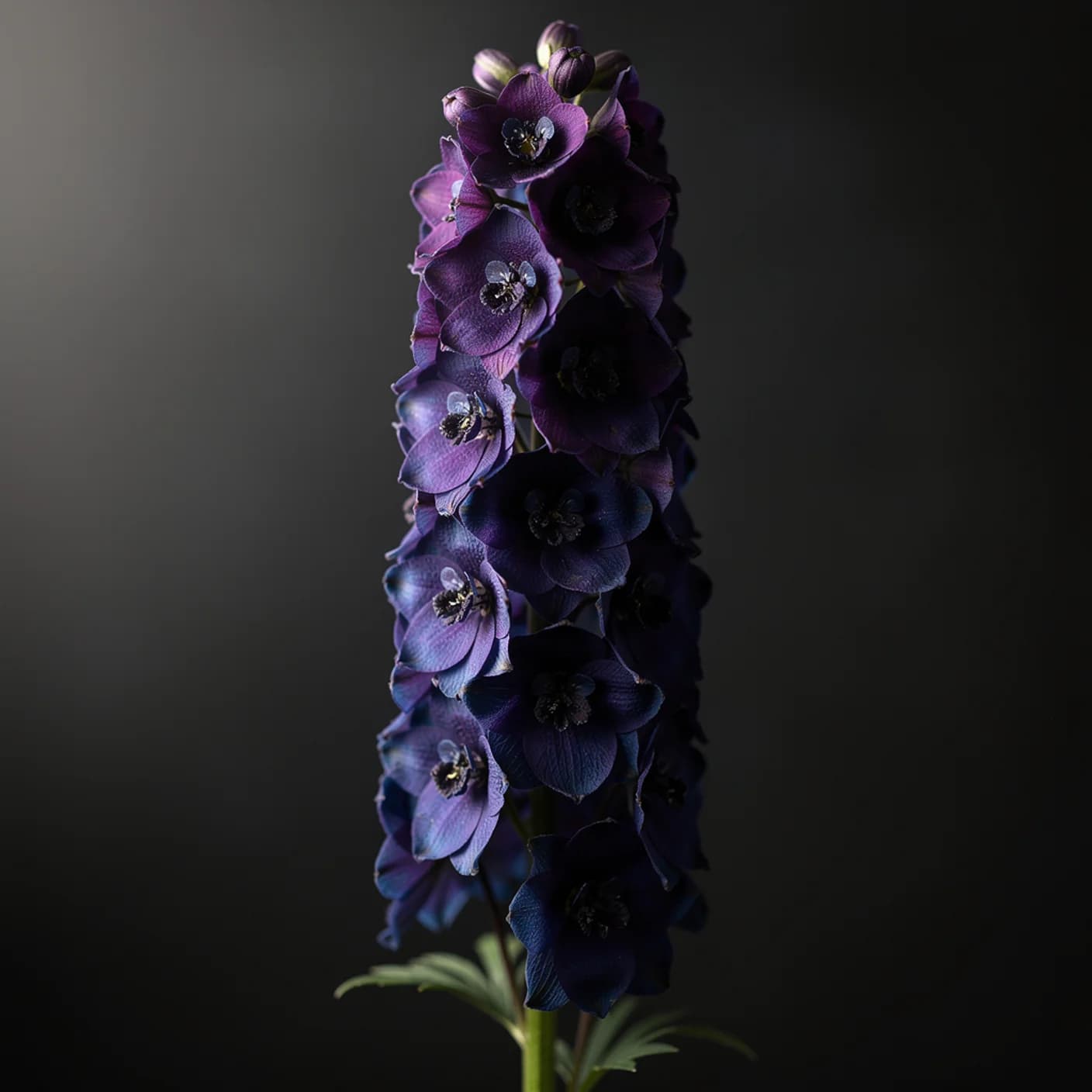
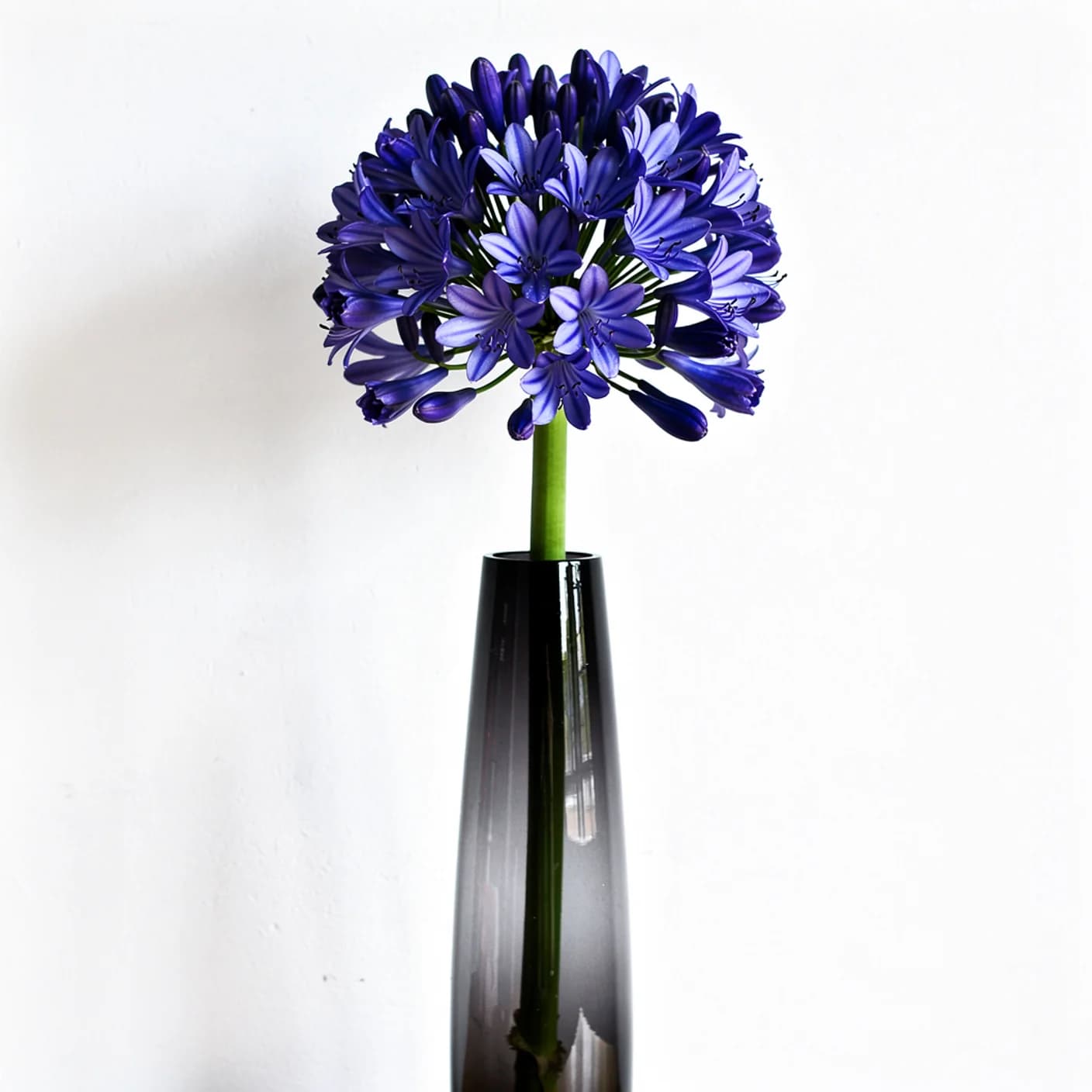
The colour is extraordinary. It opens a rich violet-blue that shifts and changes depending on the light — sometimes leaning towards purple, sometimes towards a true, clear blue, and in evening light taking on an almost luminous, electric quality. No photograph I've taken has ever quite captured it. It's one of those colours you have to see with your own eyes.
But it's the scent that really converted me. Phlox has this warm, honeyed fragrance that fills a whole section of the garden on a still summer evening. 'Blue Paradise' carries it strongly — stand downwind of a mature clump on a warm July evening and it's almost as heady as the sweet peas.
As a cut flower, it's generous. The flower heads are big enough to make an impact on their own, and they last well in a vase — a good week, often more. Mix them with white garden roses and some trailing greenery and you've got something that looks expensive and smells even better. They flower from July well into September, which gives you weeks of material for the house.
Where to Buy
If you want to try phlox for yourself, here's where I'd point you:
We may earn a small commission from purchases made through our links, at no extra cost to you.
✿ From the folklore cabinet
Phlox comes from the Greek word for 'flame,' which was presumably coined before anyone bred a blue variety. The genus is almost entirely North American, and 'Blue Paradise' was bred in the Netherlands. In the Victorian language of flowers, phlox meant 'our souls are united,' which I think is a bit much for a border perennial, but the sentiment is nice.