Cistus
× purpureus (Rock Rose)
“The Mediterranean in a British garden. Crumpled pink flowers with dark blotches, aromatic resinous foliage, and the ability to thrive in the hottest, driest, poorest spot. A sun-worshipper.”
— ROSIE
Rosie's Take
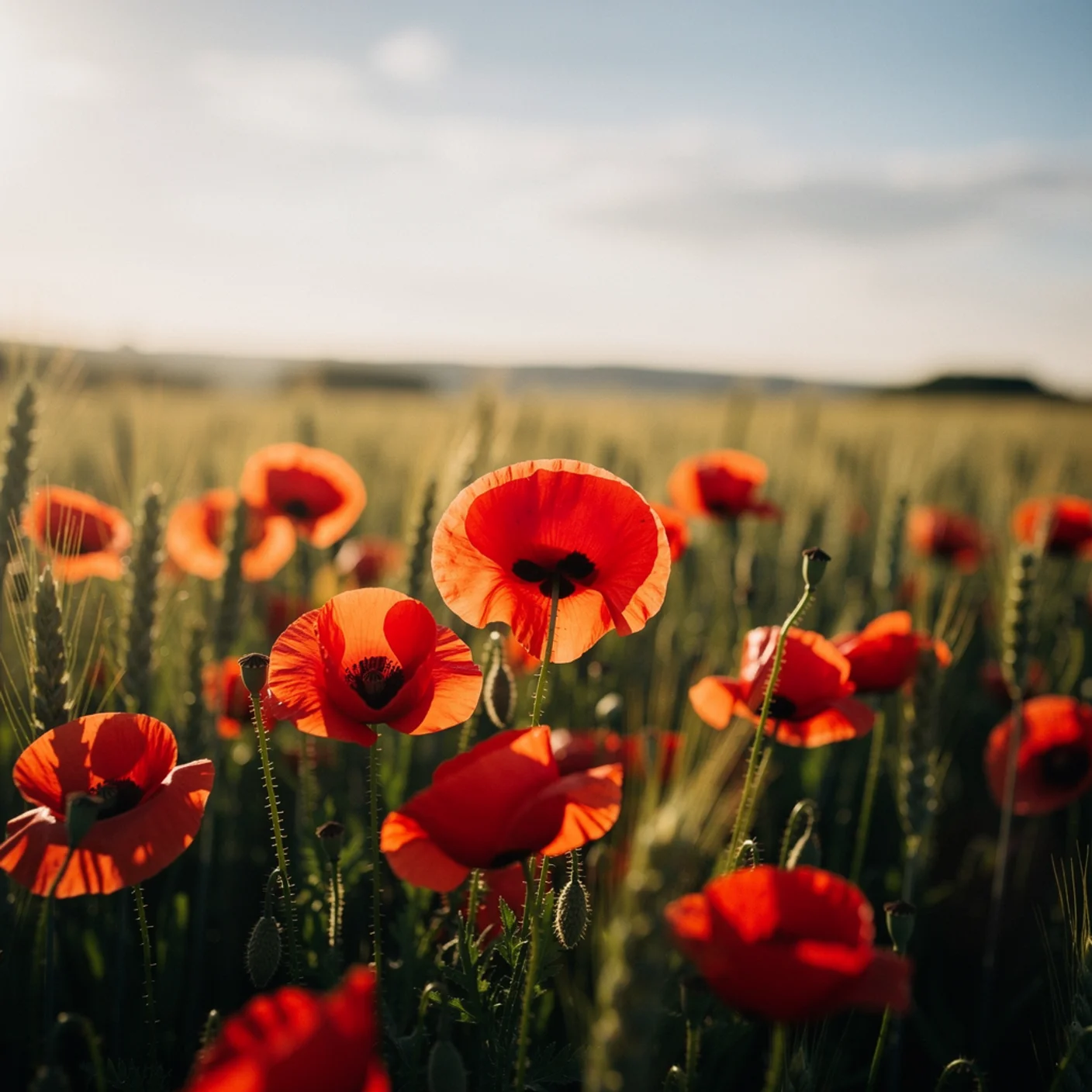
Cistus flowers have the same one-day-only quality as poppies — tissue-thin, crumpled petals that unfurl each morning and drop by evening, replaced by new flowers the next day. The transience is part of the beauty. Each flower exists for a single day, and it uses that day well.
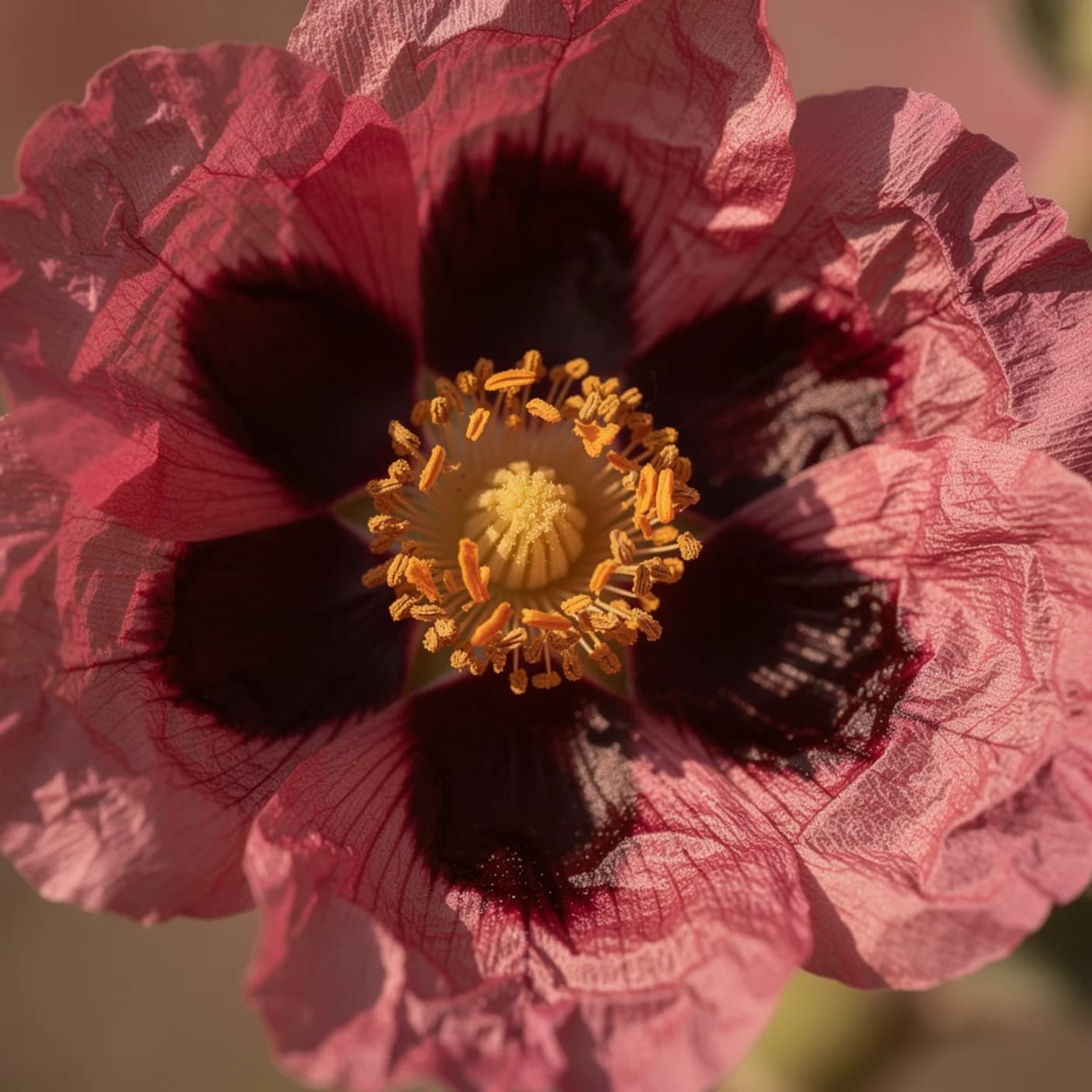
Cistus × purpureus produces flowers about three inches across — five broad, crumpled, silky petals in a deep rose-pink, each one marked with a dramatic, dark-maroon blotch at the base. The effect is of pink tissue paper stained with ink, or watercolour that's bled. At the centre, a boss of golden stamens vibrates with bees. The whole flower looks handmade, imperfect, and utterly compelling.
The shrub itself is Mediterranean through and through — low, mounding, covered in dark, slightly sticky, aromatic evergreen leaves that smell of resin and warm earth on a hot day. That stickiness is labdanum — a fragrant resin that's been used in perfumery since ancient times. Run your hand over the leaves on a July afternoon and your fingers come away scented with something warm, balsamic, and ancient. It's the smell of the Mediterranean maquis distilled into a suburban garden.
It needs the hottest, driest, poorest spot you can give it. A sunny gravel garden, a south-facing bank, the base of a sun-baked wall. Rich soil and regular watering will kill it faster than neglect. In the right position, it flowers prodigiously through June and July — each morning a fresh crop of those crumpled pink-and-maroon flowers, each evening a carpet of fallen petals on the gravel below. It's the most Mediterranean thing you can grow in a British garden, and on a warm day, with the resin scent rising and the bees working those blotched pink flowers, you could almost believe you were somewhere south of Perpignan.
Where to Buy
If you want to try cistus for yourself, here's where I'd point you:
We may earn a small commission from purchases made through our links, at no extra cost to you.
✿ From the folklore cabinet
Cistus has been intertwined with Mediterranean culture for millennia. The aromatic resin labdanum, collected from cistus leaves, was one of the most valued perfume ingredients in the ancient world — Egyptian pharaohs wore false beards made partly of labdanum-soaked goat hair. In Greek mythology, cistus was sacred to the sun god. The × purpureus hybrid is thought to have originated naturally in the wild — a cross between C. ladanifer and C. creticus, combining the blotched petals of one with the pink colour of the other. Rock roses are fire-adapted plants — they burn readily in Mediterranean wildfires but regenerate quickly from seed, which requires heat to germinate. Beauty that rises from ashes. There's something in that.