Scented Pelargonium
Attar of Roses
“The most useful scented plant you can grow. Rose fragrance from a leaf, wonderful in baking and gin, and all it asks is a sunny windowsill and protection from frost.”
— ROSIE
Rosie's Take
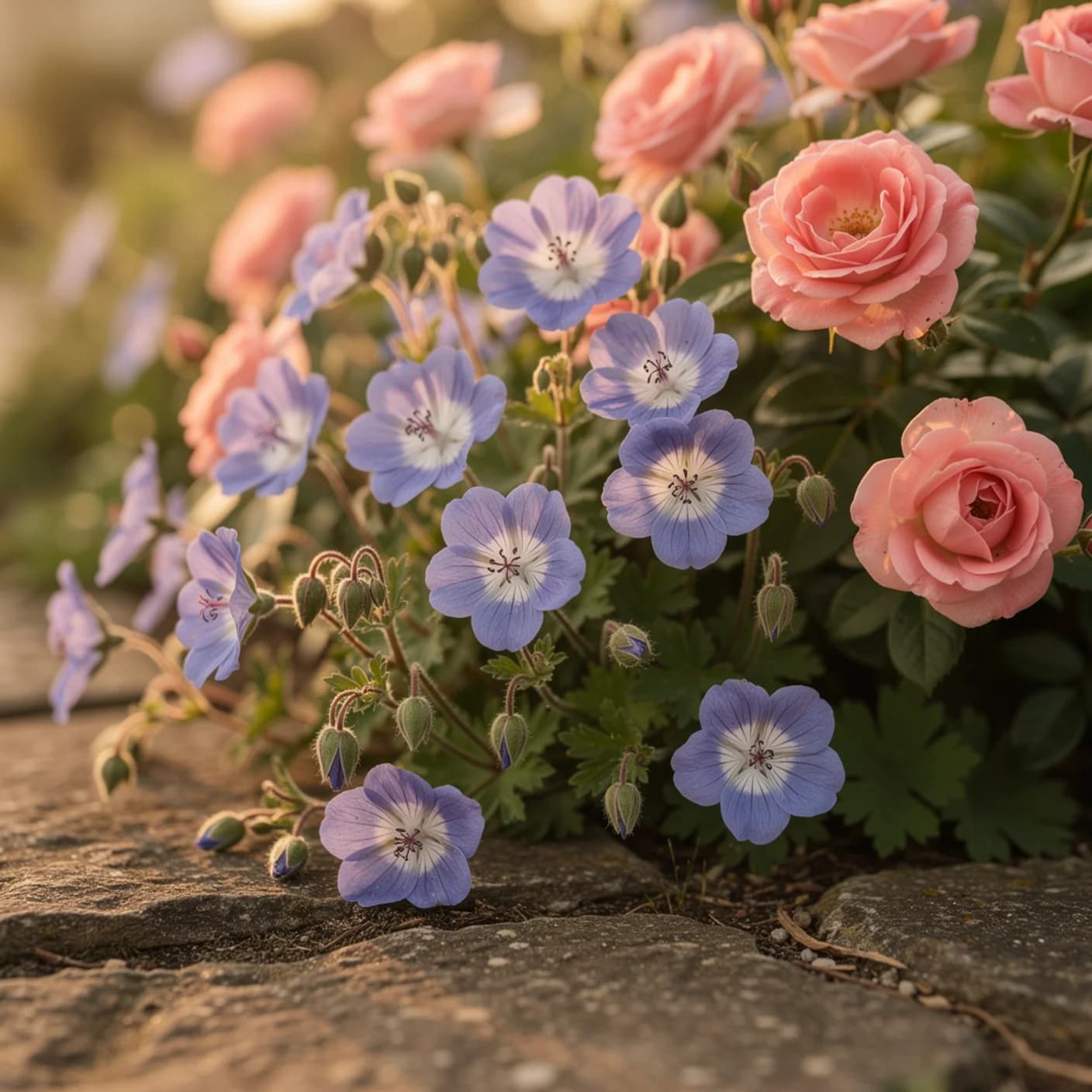
Forget the flowers. I mean it — the flowers are small, pale pink, perfectly pleasant, and entirely beside the point. You grow Pelargonium 'Attar of Roses' for the leaves. Brush past them, pinch one between your fingers, and the scent that rises is pure, concentrated rose — richer and more intense than most actual roses. It's the essential oil without the plant. Close your eyes and you're in a rose garden in full July bloom, except you're standing next to what looks like a modest, slightly fuzzy-leaved pot plant on the kitchen windowsill.
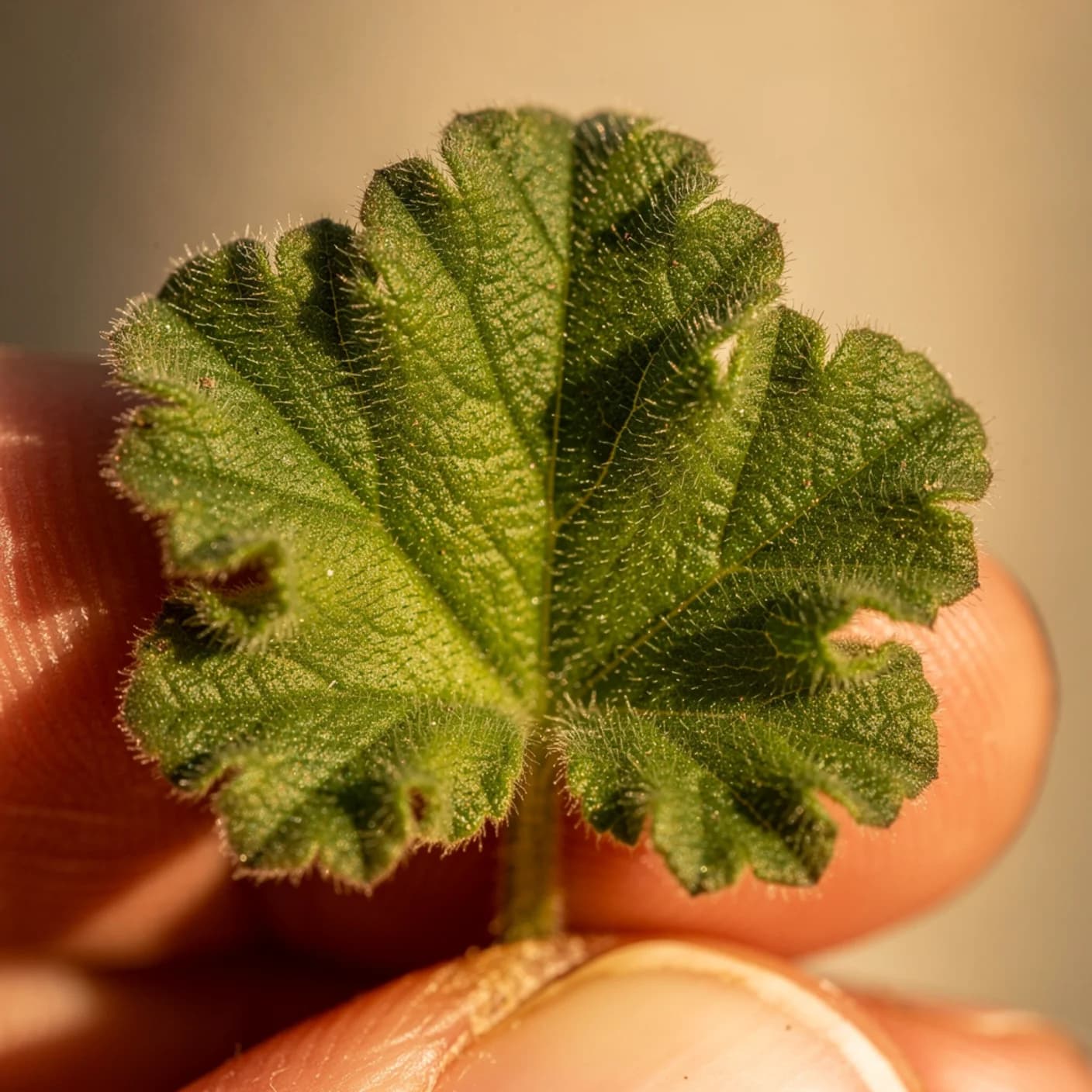
The leaves are soft, velvety, lobed and crinkled, a pleasant mid-green that's handsome without being showy. The whole plant has a relaxed, slightly sprawling habit — it's not trying to impress visually. It knows its strength is invisible until you touch it. I keep mine on the kitchen windowsill where I brush it every time I reach for the kettle, and that small, daily hit of rose scent has become one of those unremarkable rituals that I'd genuinely miss.
Scented pelargoniums are the unsung heroes of the plant world. They come in dozens of scents — lemon, peppermint, nutmeg, apple, cedar — but 'Attar of Roses' is the one I'd save if I could only keep one. The leaves can be used in baking — laid in the bottom of a cake tin before you pour the batter, or steeped in sugar for weeks to make rose-scented sugar. I've put them in ice cream, in gin, in the water jug on a summer table. They're the most useful plant I grow.
They're not hardy — frost will kill them — so they live in pots, coming inside for winter and going out again once the danger has passed. It's a small ritual, this seasonal migration, and I've come to enjoy it. The first evening they go back outside in May, the kitchen feels temporarily emptier. By October, I'm glad to have them back.
✿ From the folklore cabinet
Scented pelargoniums arrived in Europe from South Africa in the seventeenth century, and the Victorians became obsessed with them — growing dozens of varieties on conservatory shelves and using the leaves to scent finger bowls at dinner. Pelargonium 'Attar of Roses' gets its name from 'attar,' the essential oil distilled from rose petals — the most precious perfume ingredient in the world. In the perfume industry, pelargonium oil (called geranium oil, confusingly) is sometimes used to extend or substitute for genuine rose attar because the chemistry is so similar. A penny plant imitating a thousand-pound oil. I find that wonderfully subversive.