Crocus
Pickwick
“Plant hundreds in the lawn this autumn. Not carefully — just toss them and dig where they fall. By February you'll have a small revolution on your doorstep.”
— ROSIE
Rosie's Take
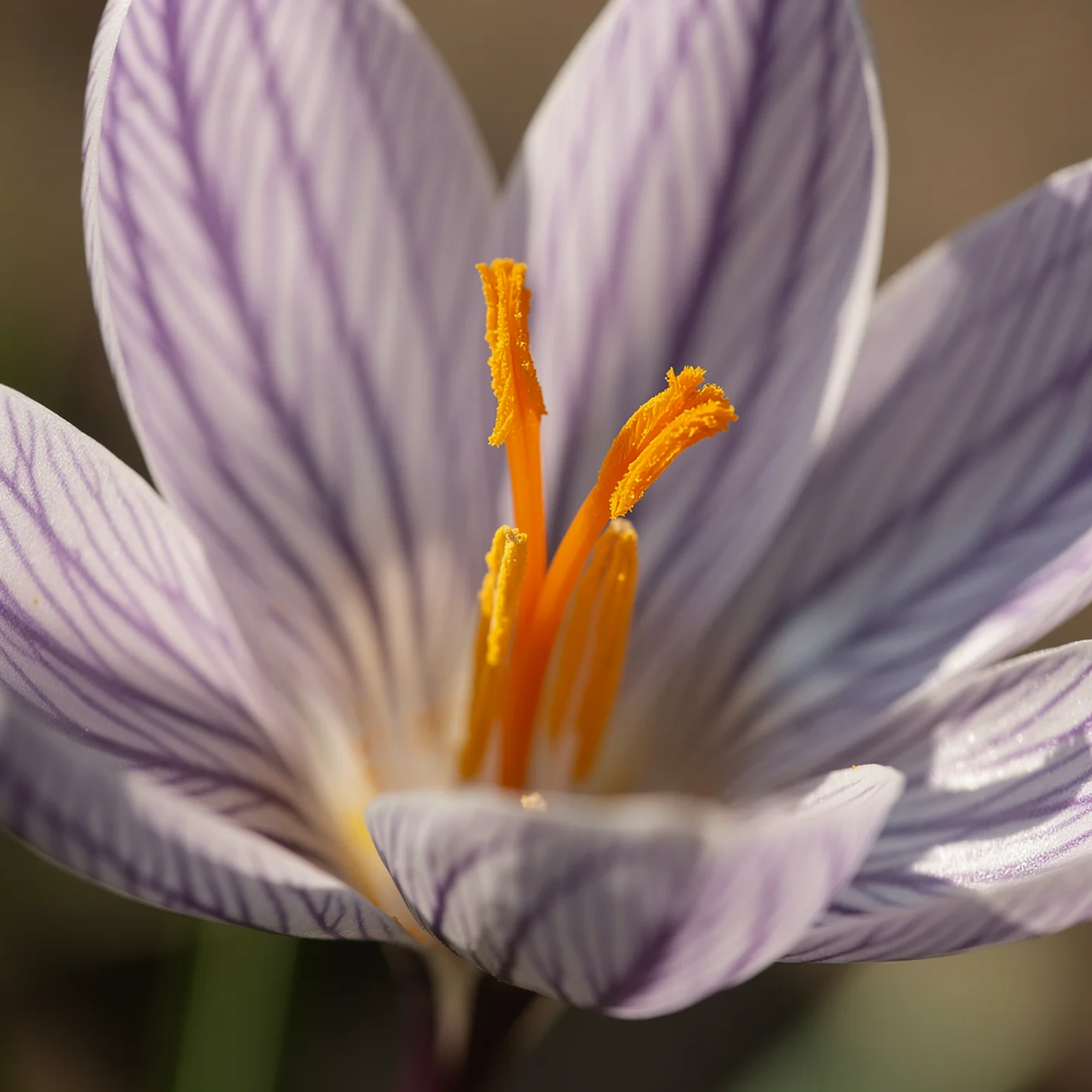
There's a particular morning in February — maybe early March if it's been a hard winter — when you walk out the front door and the lawn has changed colour. Yesterday it was mud and tired grass. Today there are crocuses. Hundreds of them, if you've been planting over the years, in that distinctive Pickwick livery: pale lilac striped with darker purple veins, like someone drew on them with a fine-nibbed pen.
I love crocuses with an intensity that's probably disproportionate to their size. They're tiny. They barely last a week above ground. But they arrive at exactly the moment you need them — after the snowdrops but before the daffodils, in that grey gap when winter feels personal and spring feels like a rumour.
Pickwick is my favourite because of those stripes. Most crocuses are a single colour — yellow, purple, white — perfectly nice. But Pickwick has that hand-painted, artisan quality. Each flower is slightly different, the veining unique, as if nature decided that even something this small deserved individual attention.
They open in sunshine and close at night, which means they're responsive, alive, paying attention to the day. I find that oddly moving in a flower that's barely three inches tall. On a cold but sunny February morning, watching a crocus open its petals to the light feels like watching something brave.
Plant them in the lawn in autumn — handfuls, not carefully spaced, just tossed and planted where they fall. The naturalised look is best. And then leave the foliage to die back naturally after flowering. That means not mowing the lawn for a few weeks in spring, which is a sacrifice I'm more than happy to make.
Where to Buy
If you want to try crocus for yourself, here's where I'd point you:
Also available as bulbs — Crocus 'Jeanne d'Arc' →
We may earn a small commission from purchases made through our links, at no extra cost to you.
✿ From the folklore cabinet
The crocus gives us saffron — the stigmas of Crocus sativus have been the world's most expensive spice for millennia. Pickwick isn't the saffron crocus, but every time I see those orange stigmas glowing inside the lilac petals, I think about the fact that this little flower's cousin is worth more than gold by weight.