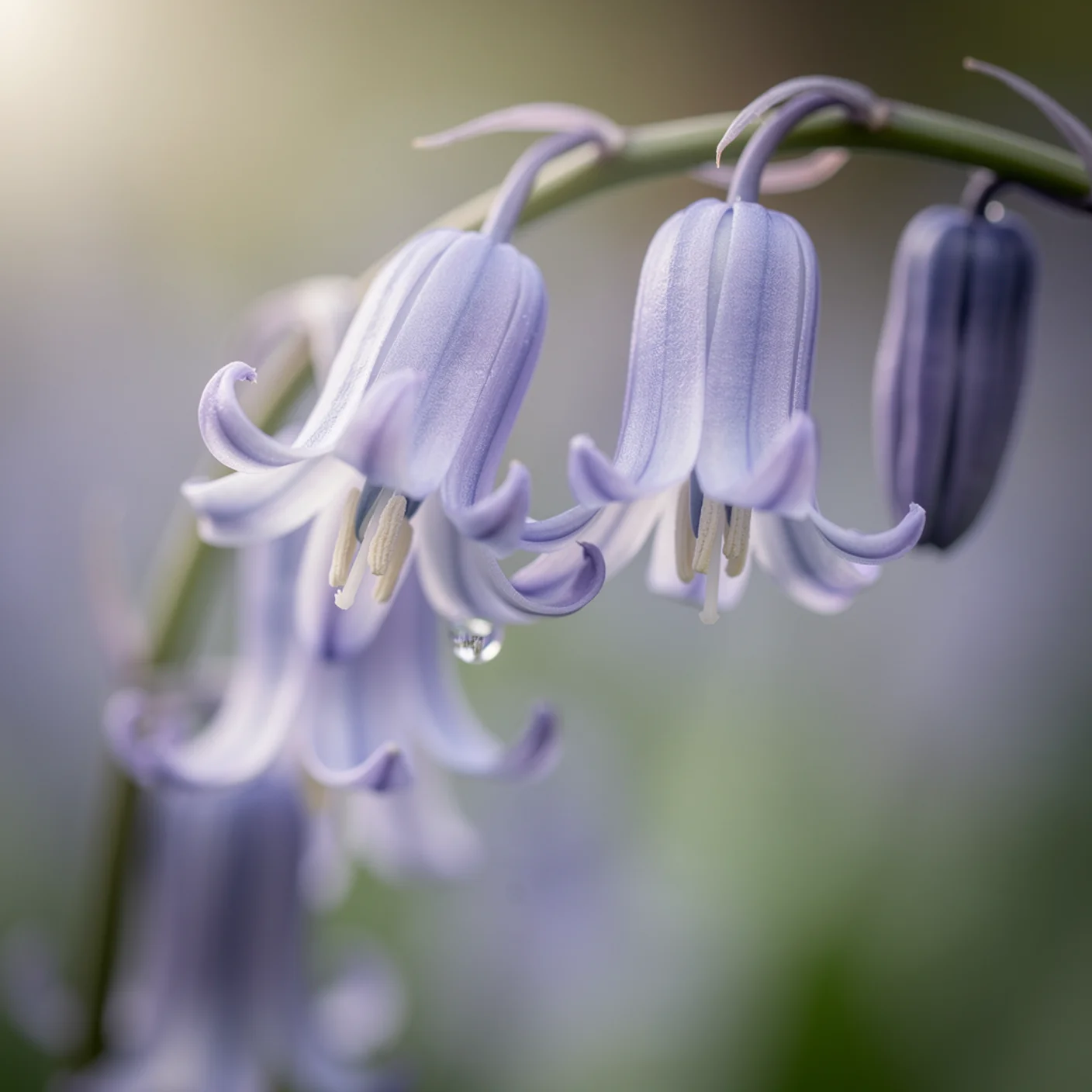
English Bluebell
Hyacinthoides non-scripta
“Don't pick them. Visit them. Find an ancient bluebell wood in late April and just stand there. The closest thing to a spiritual experience the countryside offers.”
— ROSIE
Rosie's Take
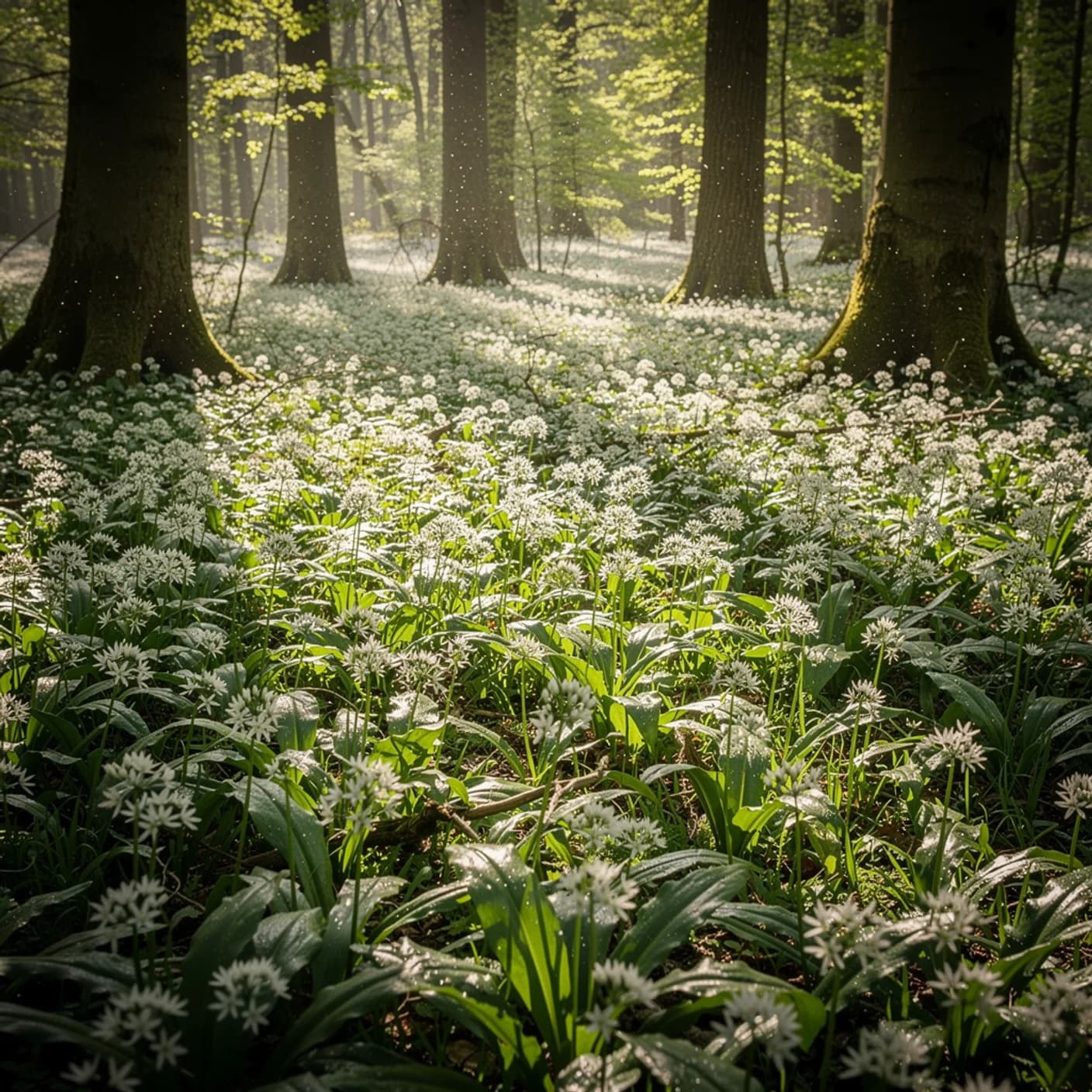
There is a moment in late April when an English bluebell wood is the most beautiful place on earth. I don't say that lightly and I don't say it for effect. I mean it. That particular blue — not quite violet, not quite purple, but a colour that seems to exist only in this one flower in this one setting — spread across the woodland floor in a haze so dense it looks like the sky has fallen through the trees.
The scent is part of it. Sweet, green, hyacinth-like but softer, and it pools in the cool air under the canopy. You walk into it. The whole experience is immersive — colour, scent, dappled light, birdsong overhead, the green of emerging leaves. It's the closest thing to a spiritual experience the British countryside offers, and I don't think that's an exaggeration.
English bluebells are not the same as the Spanish invader you see in garden centres. Ours are slender, with flowers arranged along one side of a drooping stem, each bell with recurved petal tips. The Spanish ones are upright, chunky, and scentless. Learn the difference. It matters.
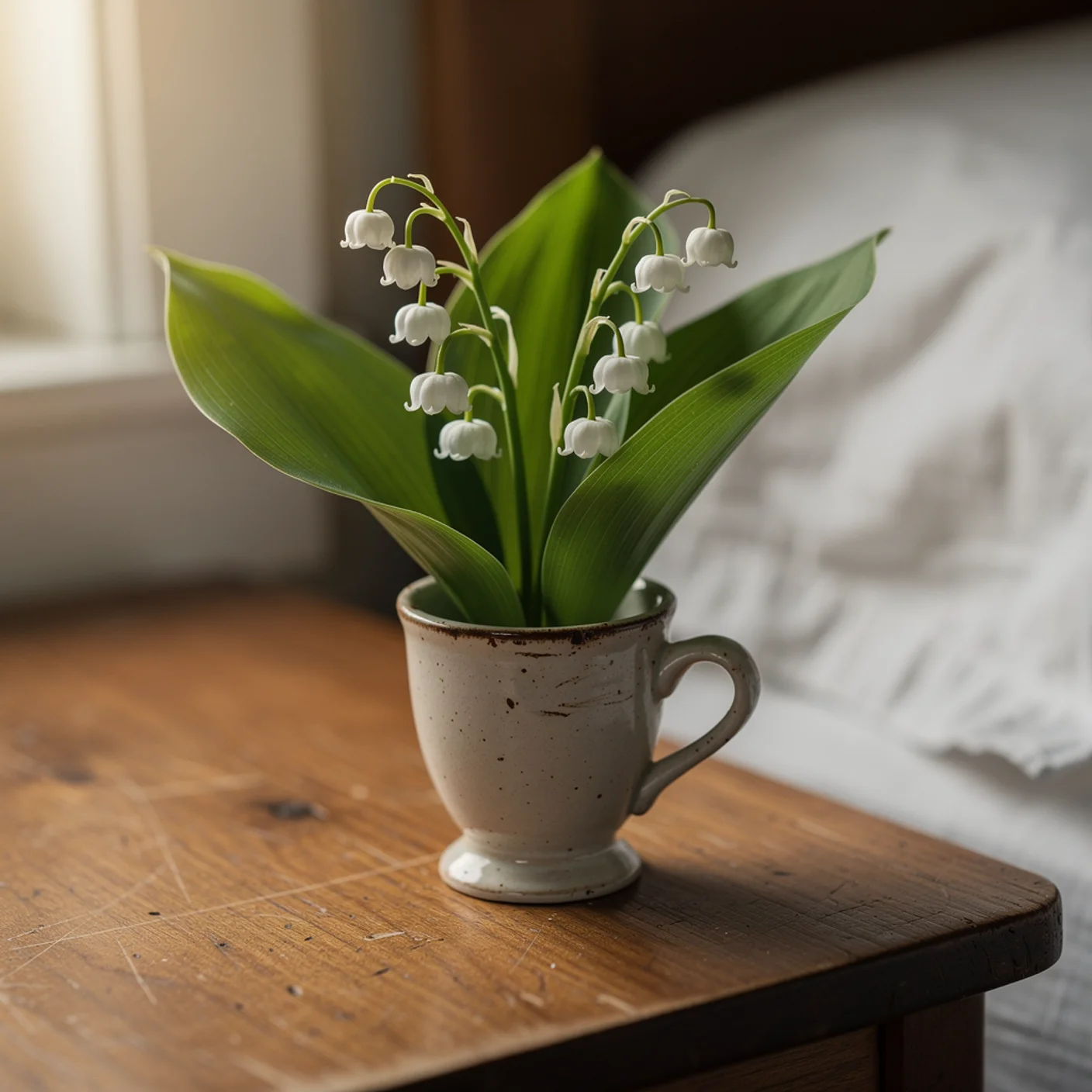
I don't pick them, as a rule. Partly because many sites are protected, and partly because they look so transcendently right where they grow that taking them feels wrong. If you have them in your garden — and many older gardens do — then a tiny posy in a medicine bottle by the kitchen sink is permitted.
If you haven't visited a bluebell wood in spring, please go. Ashridge in Hertfordshire, Halle Forest in Belgium if you want to travel. Anywhere with ancient woodland and a canopy. Go when the light is soft, and just stand there.
Where to Buy
If you want to try english bluebell for yourself, here's where I'd point you:
We may earn a small commission from purchases made through our links, at no extra cost to you.
✿ From the folklore cabinet
In folklore, bluebells are the flower of the fairy realm — to hear a bluebell ring was an omen of death, and entering a bluebell ring would trap you in fairyland forever. I choose to believe the gentler version: that they mark places where the veil between worlds is thin. Standing in a bluebell wood in April, I almost believe it.