Sedum
Autumn Joy
“The plant that earns its place every month of the year. 'Autumn Joy' does four seasons of beauty and asks for nothing in return.”
— ROSIE
Rosie's Take
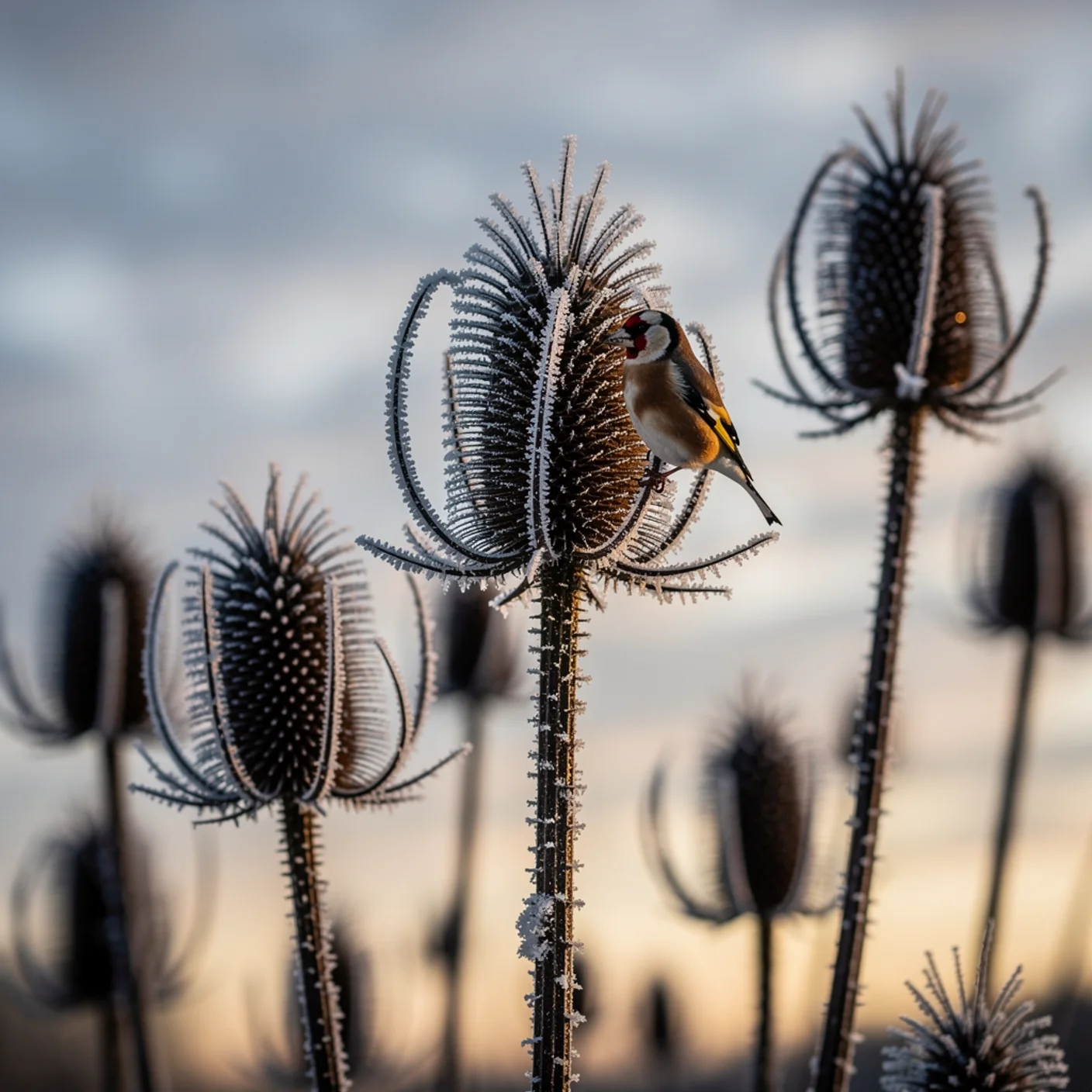
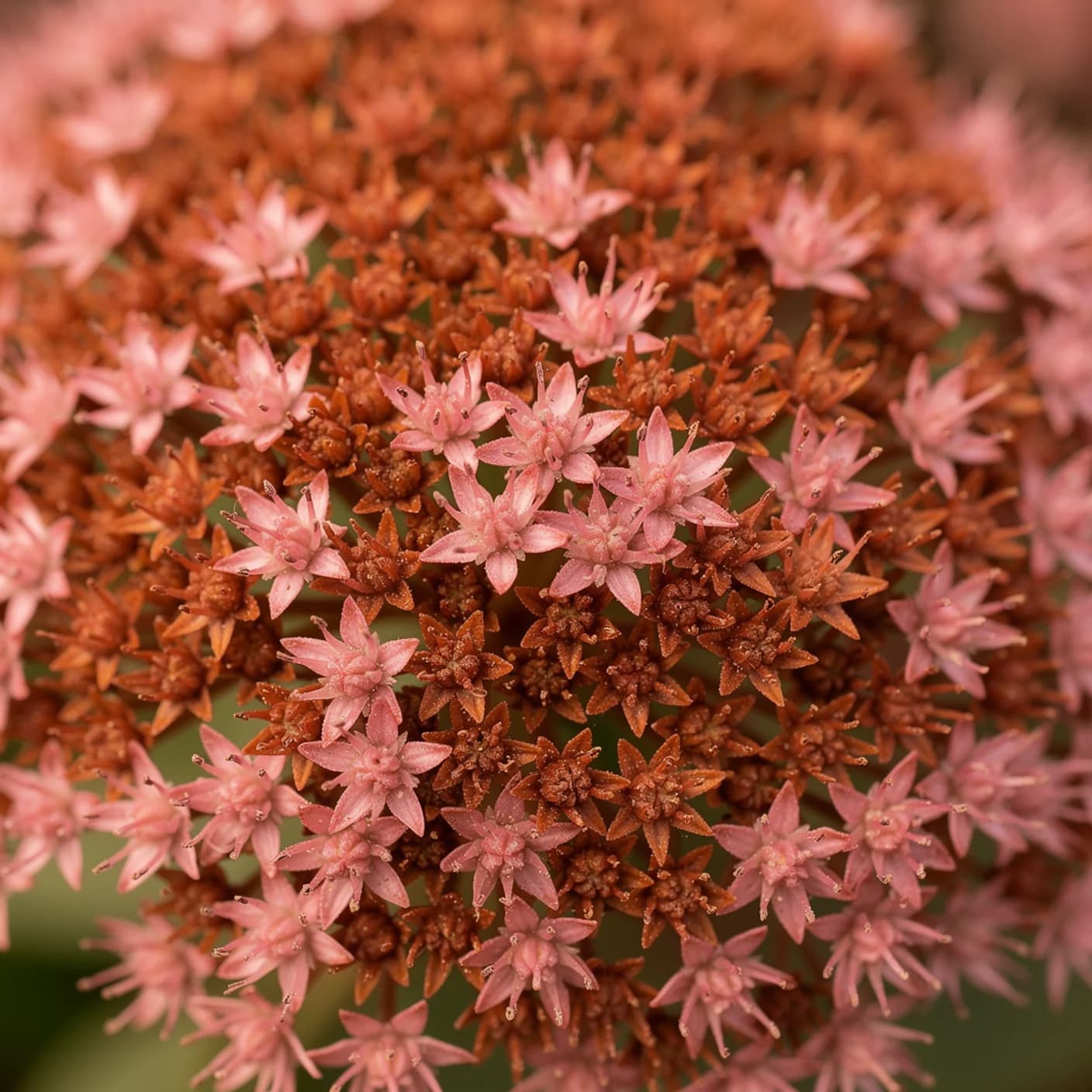
If I had to pick one plant that earns its place for all twelve months of the year, it might be 'Autumn Joy.' In spring, the fleshy, jade-green rosettes of new growth are attractive in themselves. In summer, the flat-topped flower heads develop in a cool sage green. In autumn — and this is when it really comes into its own — those heads turn from dusky pink through salmon to a deep, rich rust-red. And in winter, the dried brown heads stand like architectural punctuation through frost and snow.
Four seasons of interest from a single plant that asks for almost nothing. That's a remarkable return.
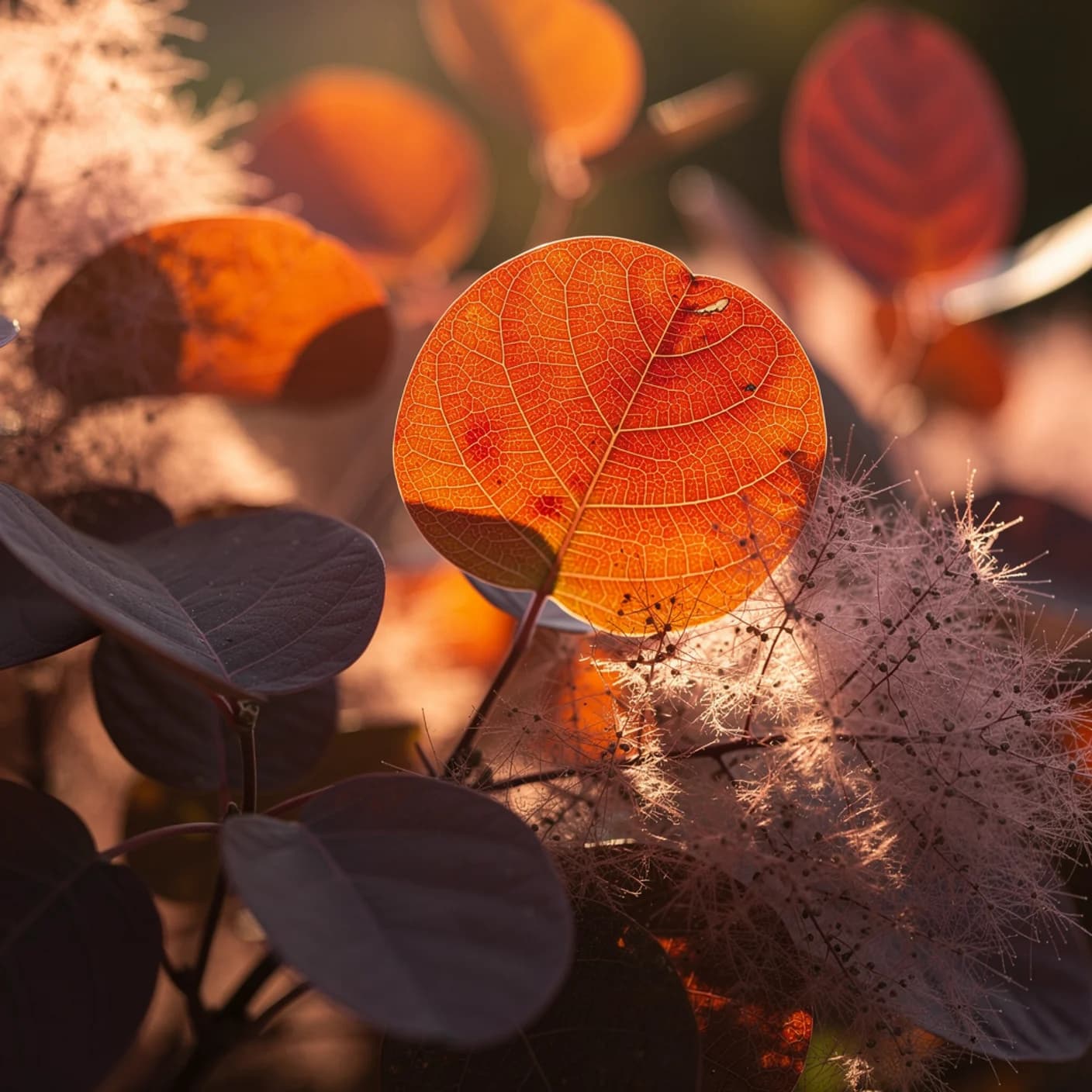
The autumn colour change is the best part. It happens slowly, over weeks, and at any given time you'll have heads at different stages — some still pink, some deepening to copper, some already that dark wine-red. The effect is like watching autumn happen in miniature on a single plant.
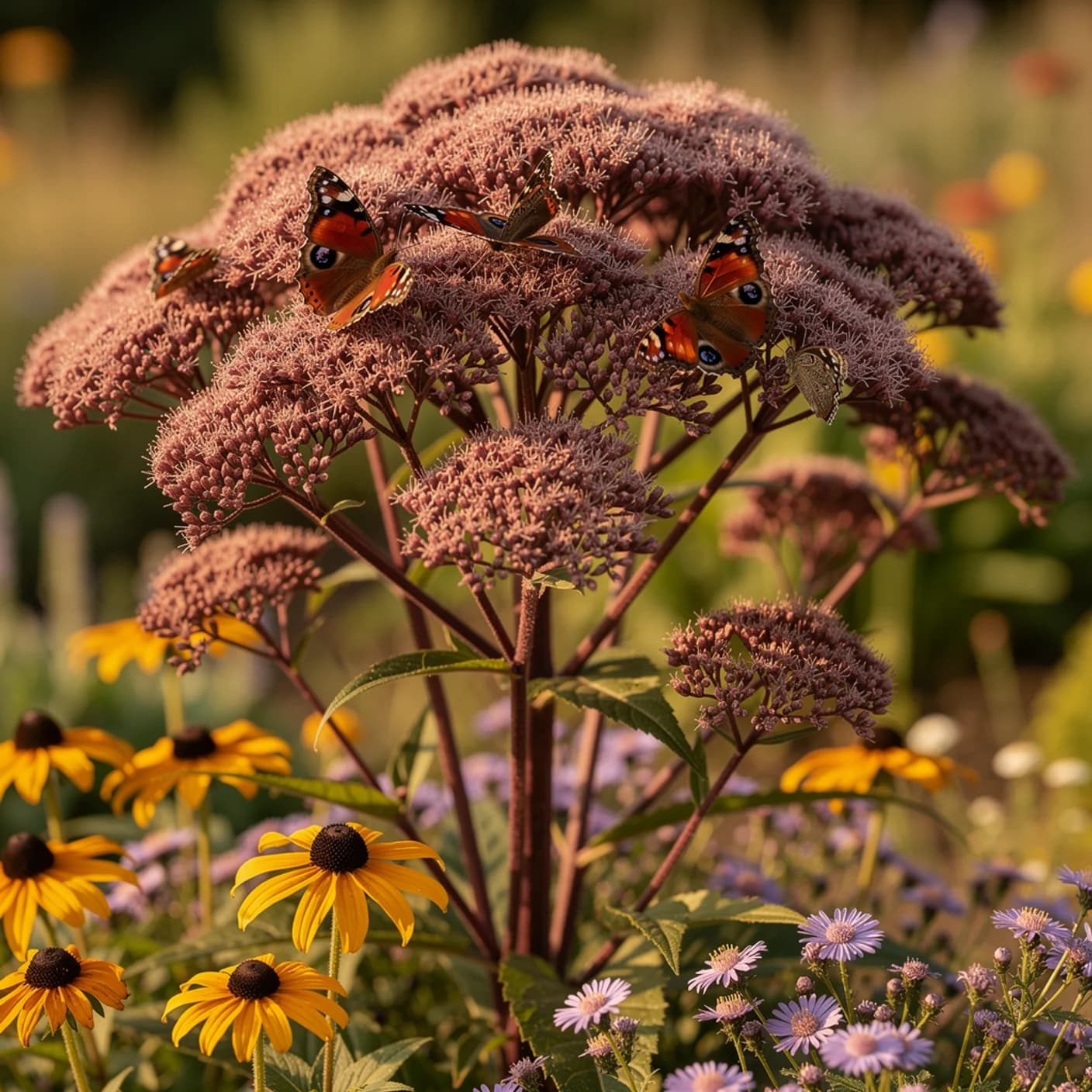
Butterflies love the flat flower heads in their pink stage — red admirals and peacocks land on them like tiny aircraft on a landing pad. I've sat in the garden on warm September afternoons watching five or six butterflies work a single plant, which is about as close to meditation as I get.
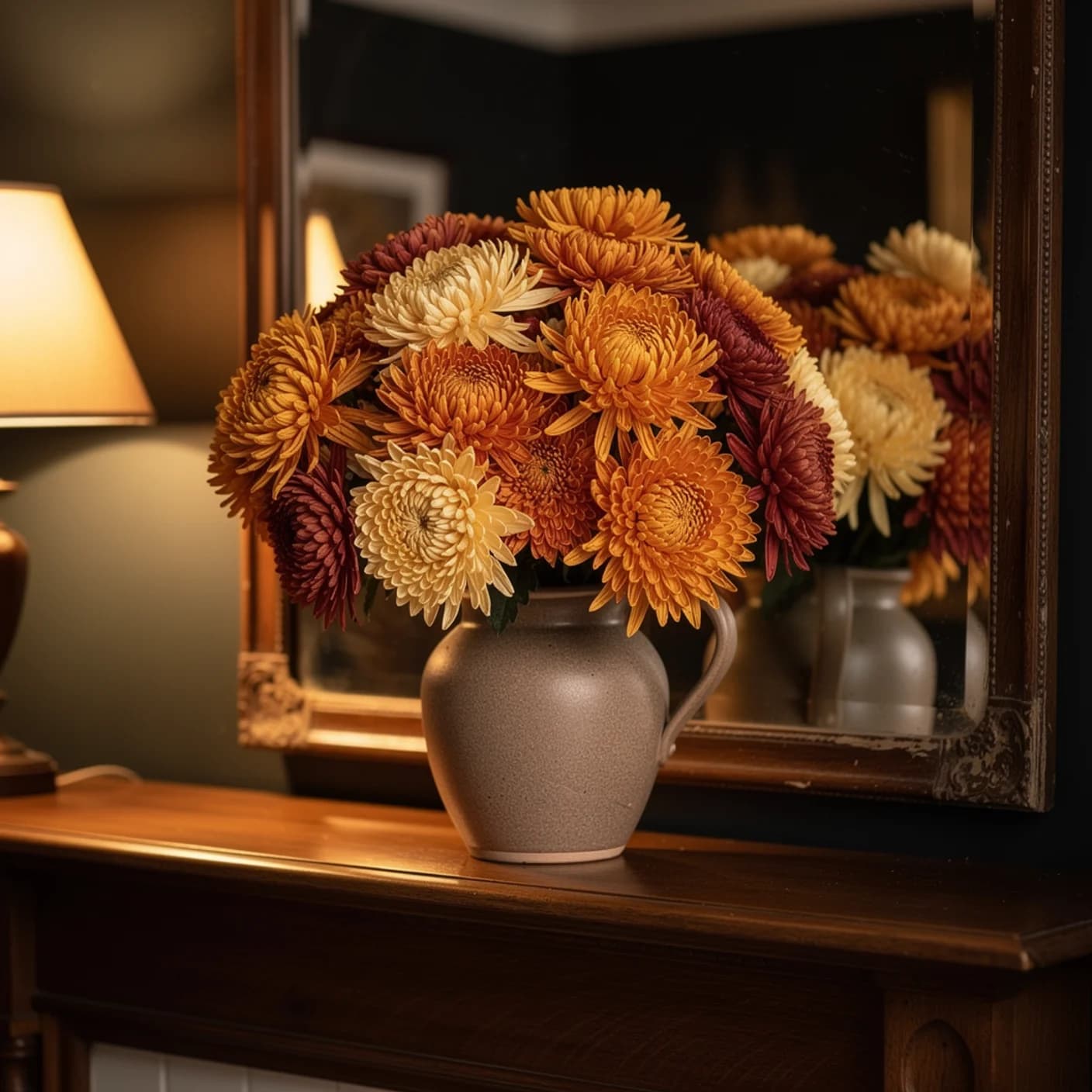
I cut a few stems for the house in early autumn and they last extraordinarily well — the succulent stems hold water and the flower heads gradually darken on the table, which is its own kind of slow, beautiful decay.
Where to Buy
If you want to try sedum for yourself, here's where I'd point you:
Also available as seeds — Sedum ussuriense 'Turkish Delight' - Seeds →
We may earn a small commission from purchases made through our links, at no extra cost to you.
✿ From the folklore cabinet
Sedum comes from the Latin 'sedere,' meaning to sit — because many species sit flat against rocks and walls. 'Autumn Joy' was bred in Germany in the 1950s by crossing two species, and it's become one of the most planted perennials in the world. Botanists recently moved it to the genus Hylotelephium, which I think is unnecessarily complicated. I'm sticking with sedum.