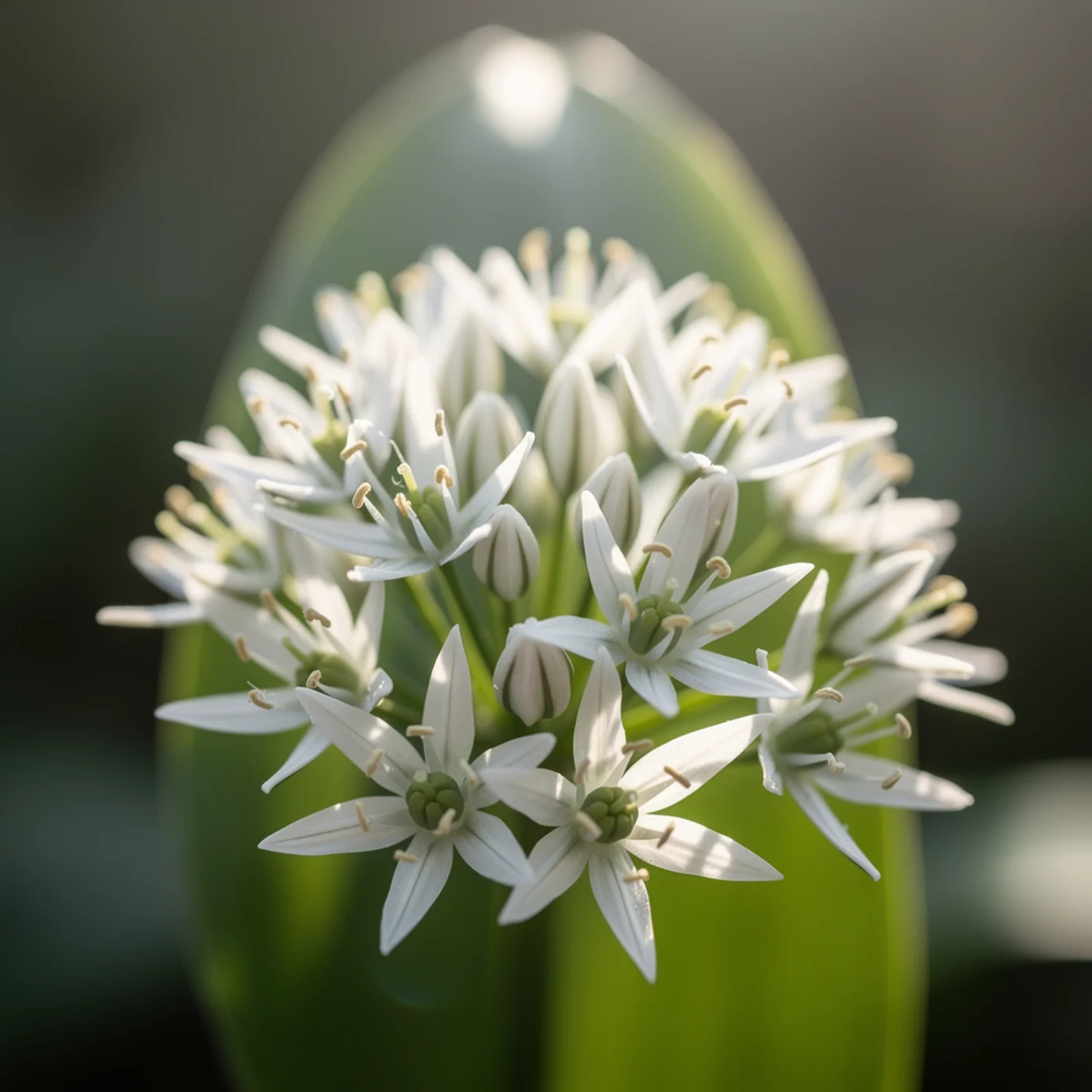
Wild Garlic
Allium ursinum
“Spring's most generous wildflower. Pick the leaves for pesto, the flowers for a jam jar, and walk through a wood full of it to feel winter lift.”
— ROSIE
Rosie's Take
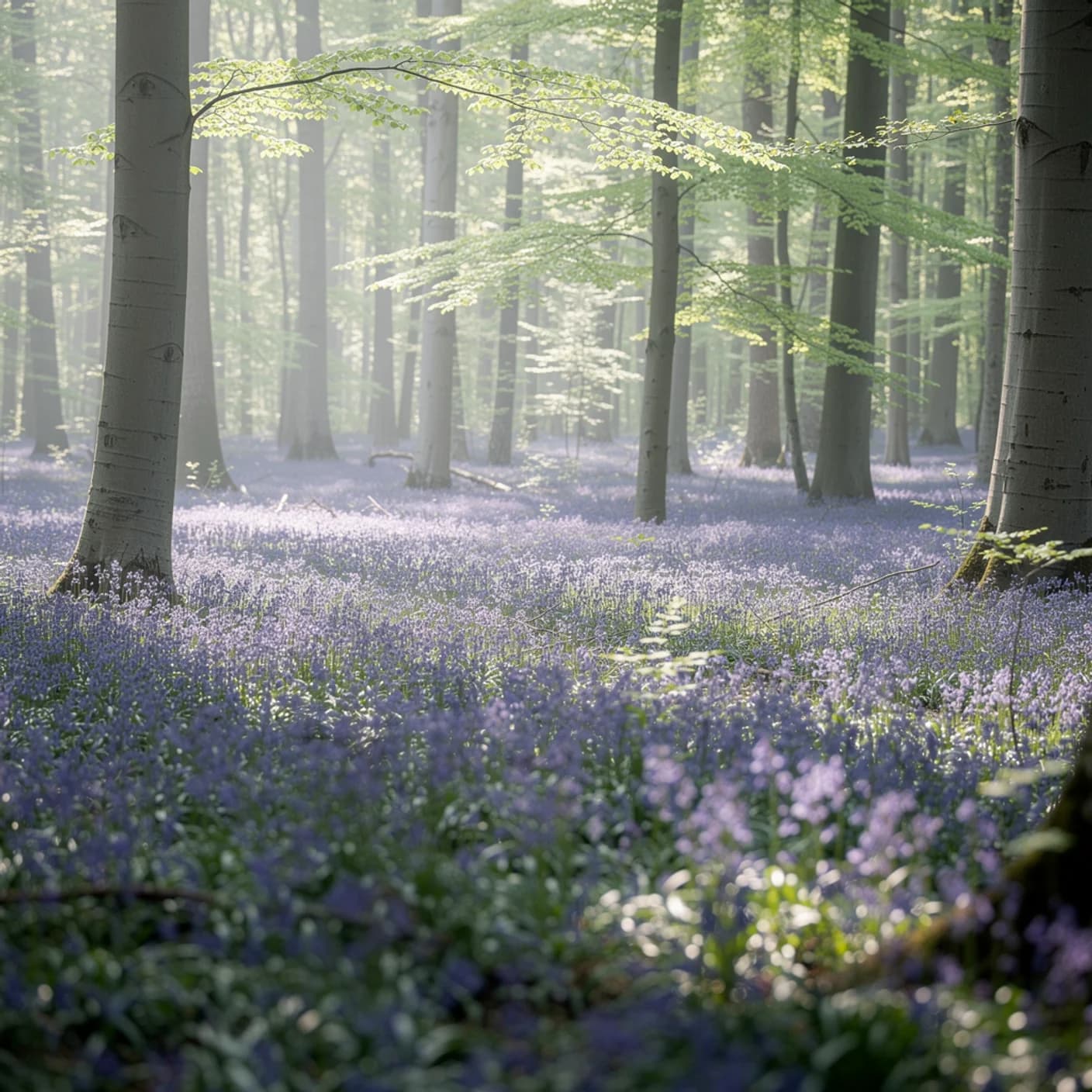
You smell a wild garlic wood before you see it. That green, pungent, unmistakably garlicky scent hits you from twenty yards away, and then you turn a corner and the woodland floor is a white carpet — thousands upon thousands of star-shaped flowers glowing in the dappled shade. It's one of the great spring spectacles in Britain, and it happens in ordinary woods and hedgerows everywhere.
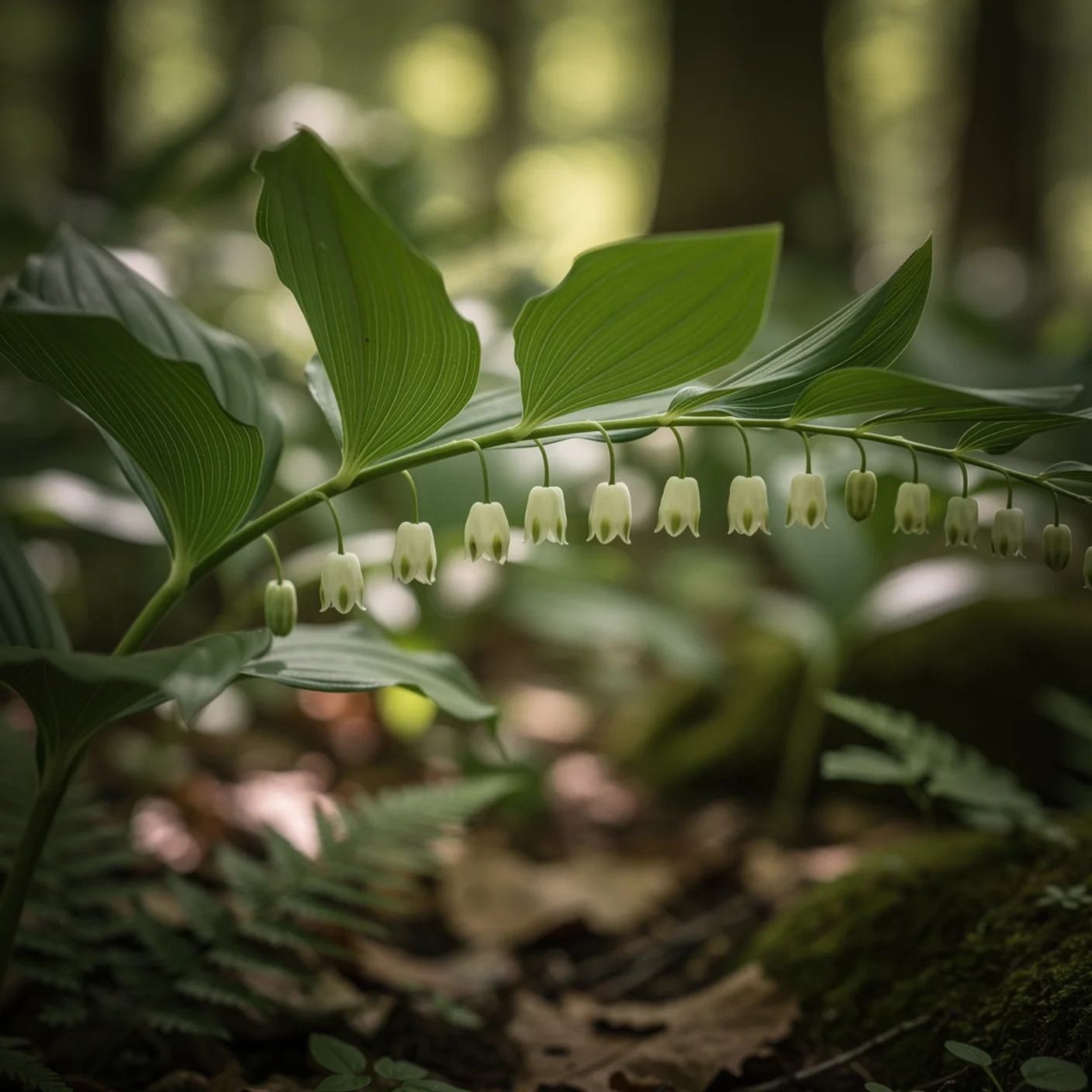
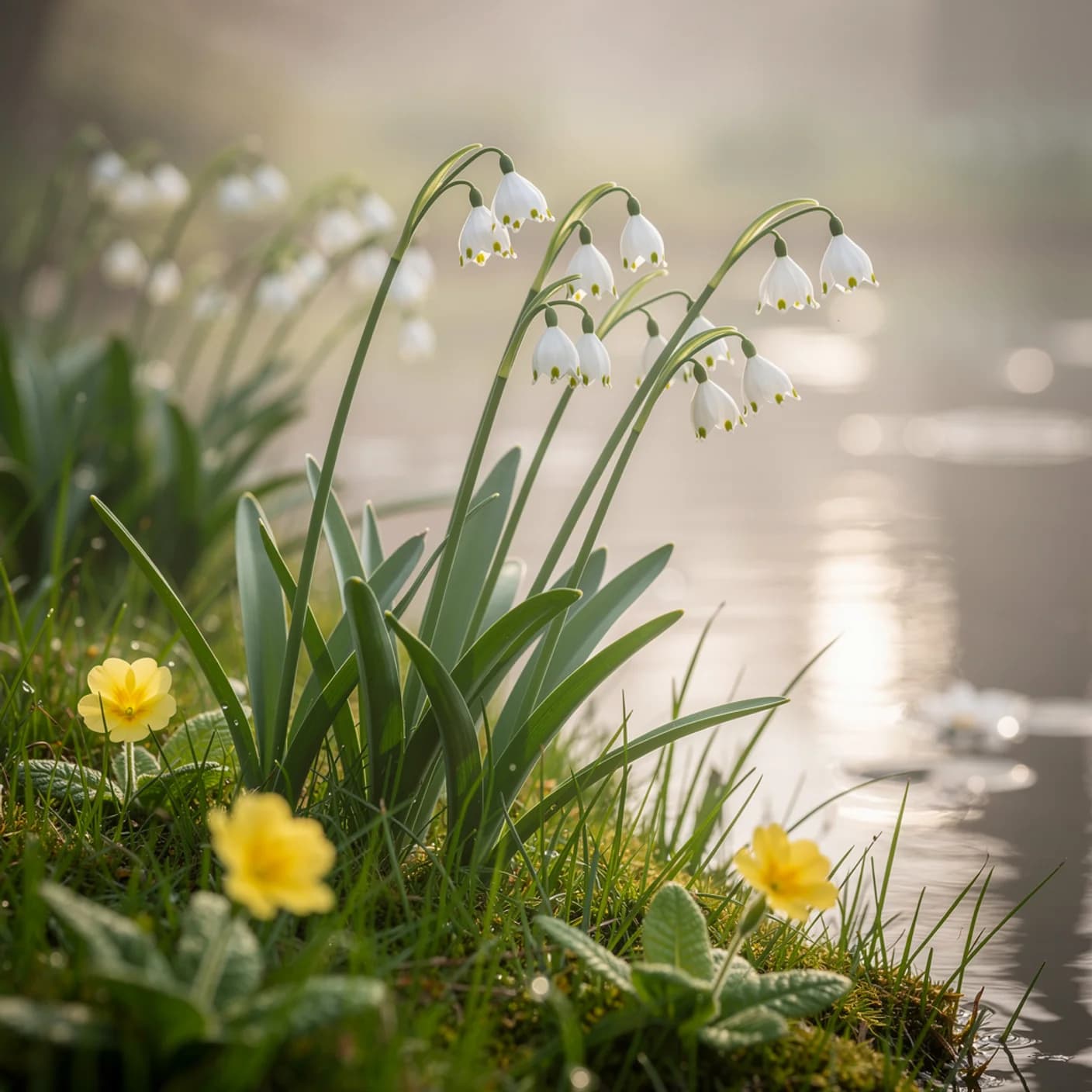
Allium ursinum — ramsons, if you're being traditional — is a native bulb that colonises damp, shady woodland with extraordinary enthusiasm. The broad, bright green leaves appear first, and by late April the flower stems push through, each one carrying a loose cluster of white, six-petalled stars. The effect en masse is breathtaking. A bluebell wood gets all the attention, but a wild garlic wood runs it close.
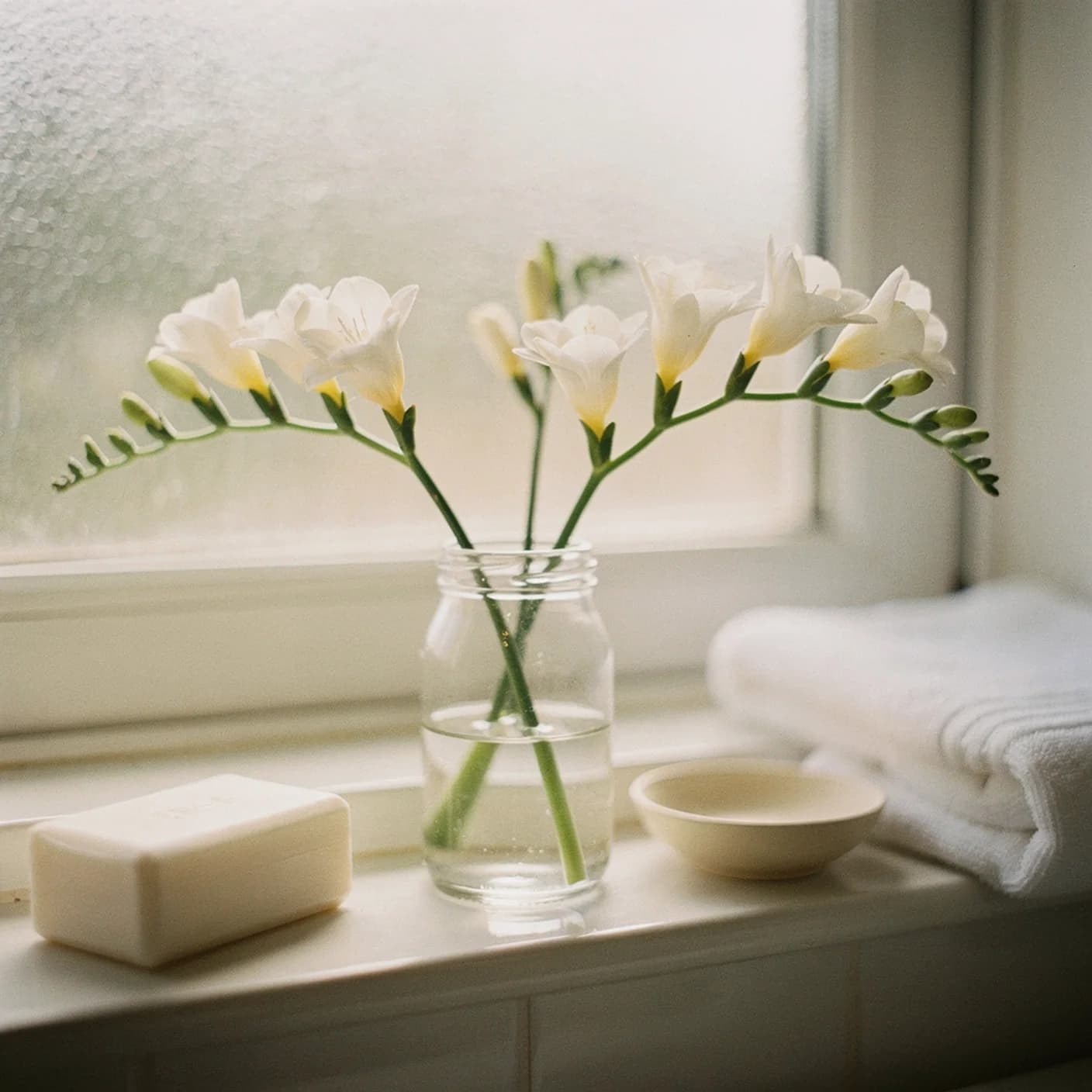
I pick the leaves for cooking — pesto, stirred into risotto, scattered over a pizza — but I also pick the flowers. A jam jar of wild garlic flowers on the kitchen windowsill is one of the simplest, loveliest things spring offers. They smell, obviously. The whole kitchen smells. I consider this a feature.
The name 'ursinum' means 'of the bears' — the story goes that bears would seek out and eat the leaves after hibernation to restore their strength. Whether that's true or not, there's something right about it. Wild garlic is a restorative. Walking through a wood full of it in April, breathing that sharp green air, you feel the winter lift. It's a seasonal reset, free and available to anyone who knows where to look.
✿ From the folklore cabinet
The 'ursinum' in the Latin name means 'bear' — ancient peoples believed bears ate the leaves after hibernation to regain their strength, which is a lovely image whether or not it's true. In Celtic tradition, ramsons were considered one of the seven herbs of Midsummer. The plant has been used for food and medicine in Britain since at least the Mesolithic period — remnants have been found in settlement sites six thousand years old. We've been eating wild garlic pesto for longer than we've been building in stone.