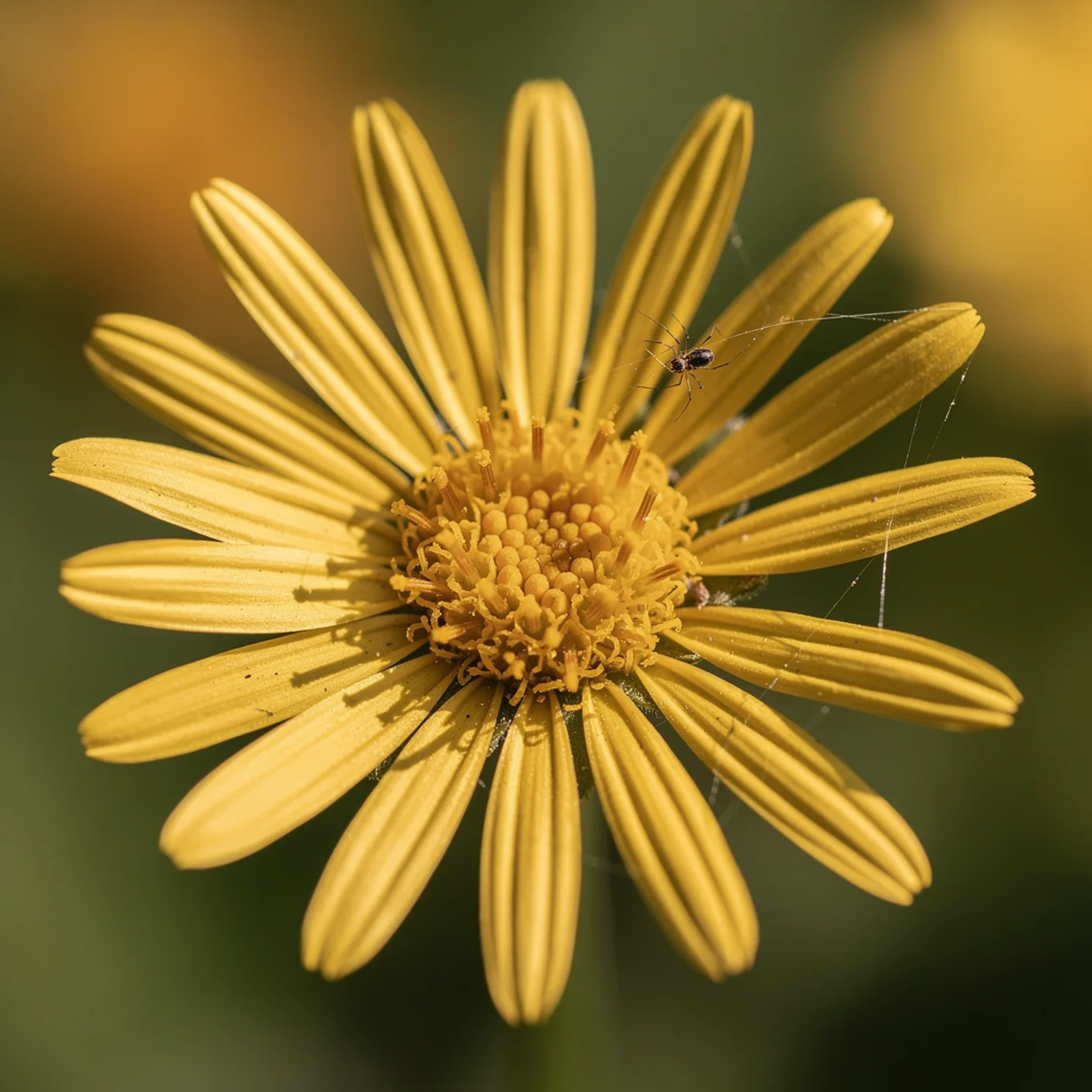
Doronicum
orientale 'Magnificum' (Leopard's Bane)
“April's golden daisy, three inches across, on cutting-length stems. The earliest source of home-grown cut flowers, lasting a week in a jam jar. Common, easy, cheap, and absolutely worth growing.”
— ROSIE
Rosie's Take
Doronicum 'Magnificum' is the first daisy of the year, and that matters more than it sounds. By mid-April, when everything is still emerging and the garden has that hesitant, half-dressed quality, doronicum throws up bright, golden-yellow daisies on tall stems and says — right, spring is here, officially, no more equivocating. It's a shot of pure optimism in a season that's still finding its nerve.
The flowers are large — about three inches across — with slender, well-spaced ray petals around a golden disc. They look like the daisies a child would draw, only better. The stems are tall enough to cut for a vase, and they last well in water — a week or more — which makes doronicum one of the earliest sources of home-grown cut flowers. I pick a handful every April and put them in a jam jar on the kitchen windowsill, where the yellow catches the morning sun and makes the whole room feel warmer.
The foliage is heart-shaped, bright green, and forms a good basal clump that looks fresh and healthy through spring. By midsummer, the leaves start to look tired and can go dormant in dry conditions, which is the one criticism of doronicum — it leaves a gap in the border when it retreats. The solution is to plant it behind something that grows up and fills in later — hardy geraniums are perfect, or a clump of Japanese anemones that won't fill out until July.
Every garden centre sells doronicum for a few pounds. It needs nothing special — ordinary soil, sun or light shade, and the occasional division when the clump gets congested. It's the kind of plant that plant snobs overlook because it's too common, too easy, too cheerful. But I've never understood that attitude. Cheerful is underrated. Easy is a virtue. And being the first daisy of spring earns you a place in any garden of mine.
Where to Buy
If you want to try doronicum for yourself, here's where I'd point you:
We may earn a small commission from purchases made through our links, at no extra cost to you.
✿ From the folklore cabinet
The common name 'leopard's bane' sounds dramatic, but the origin is mundane — the plant was once believed to be toxic to large predators, and medieval hunters supposedly used it to poison bait. Whether it actually works on leopards is untested and unlikely. The genus is native to Europe and western Asia, and doronicum has been cultivated in British gardens since at least the sixteenth century — one of the earliest recorded ornamental perennials. Gerard grew it. Parkinson grew it. Generations of cottage gardeners grew it. And yet it's never quite fashionable, never in the glossy magazines, never the subject of a breeding programme. It just keeps flowering, every April, in gardens that remember what matters.