Perovskia
Blue Spire (Russian Sage)
“The easiest elegance in the summer border. Silver stems, sage-scented foliage, and a blue haze that lasts from July to October. Cut it back in spring. That's it.”
— ROSIE
Rosie's Take
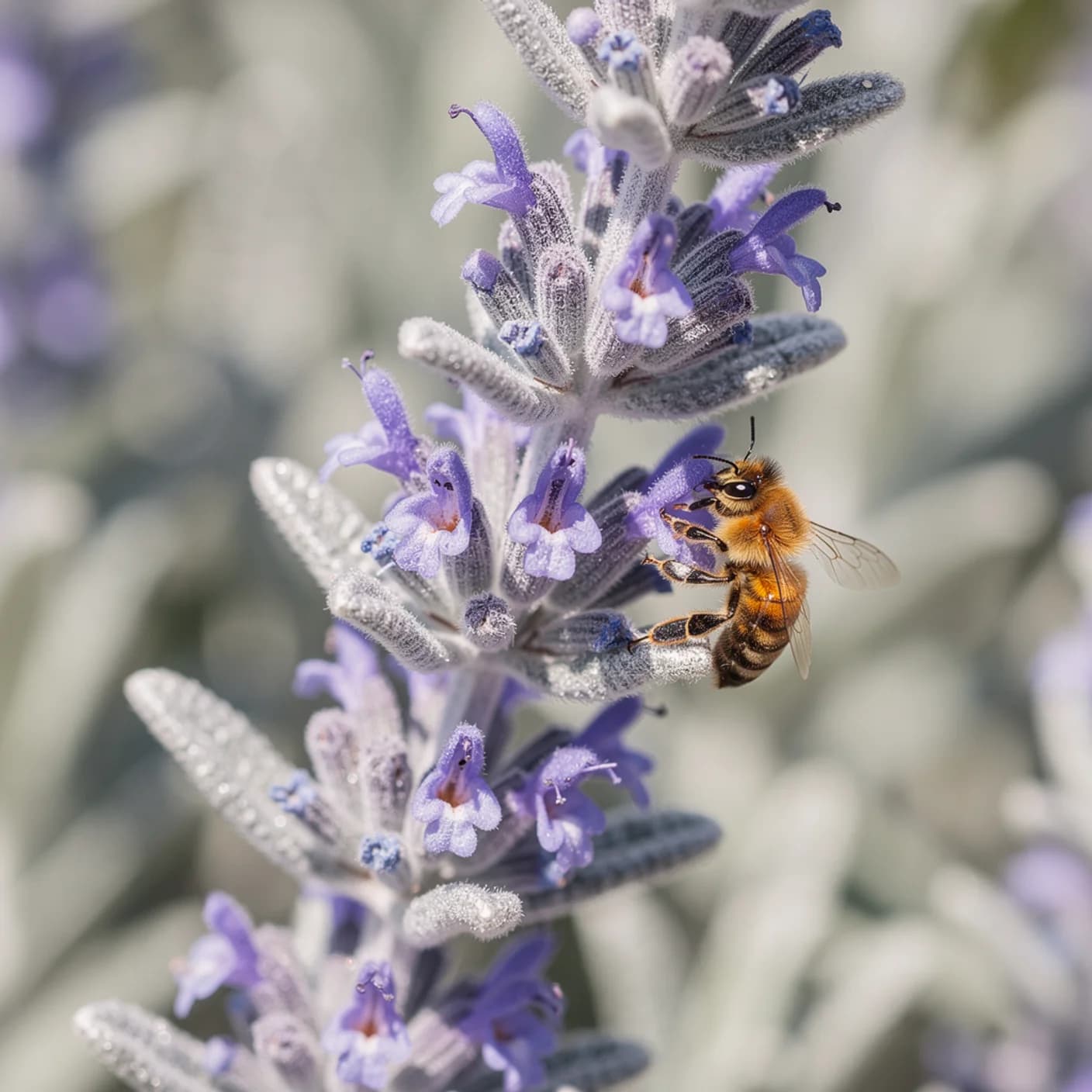
Perovskia 'Blue Spire' is one of those plants that makes a garden look effortlessly good without demanding anything in return. It's a haze — that's the best word for it. A soft, lavender-blue haze that rises about four feet tall from midsummer right through to October, the tiny flowers arranged along slender, silvery-white stems that catch the light and seem to blur at the edges. It's less a plant and more an atmosphere.
The whole thing is aromatic. Brush past it and your hands smell of sage and something slightly camphoraceous — not quite lavender, not quite rosemary, something entirely its own. The silvery, finely cut foliage is beautiful even before the flowers arrive, giving the border a Mediterranean feel from late spring onwards. And when the blue flowers open, the combination of silver stems, grey-green leaves, and that particular shade of lavender-blue is one of the most sophisticated colour effects any single plant can produce.
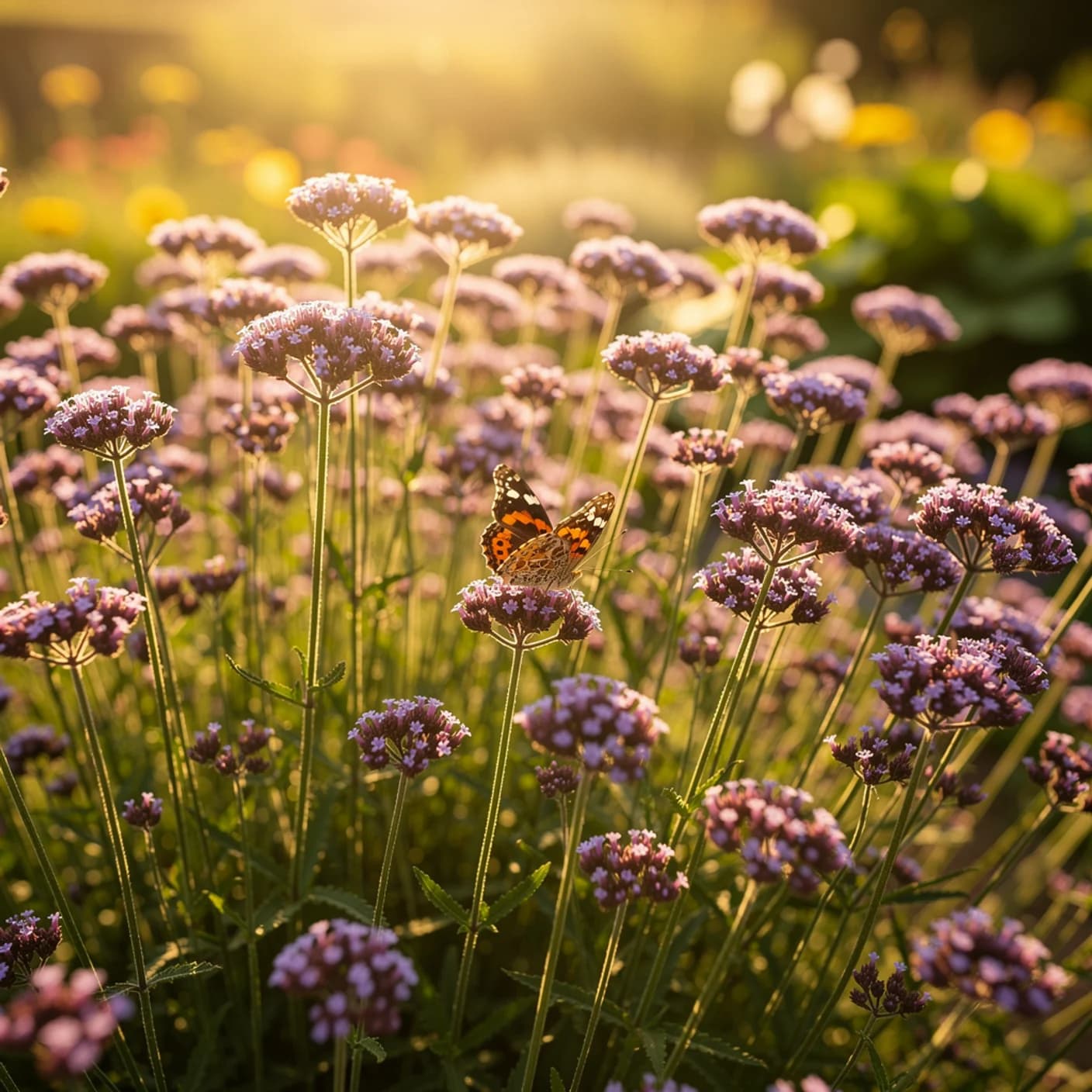
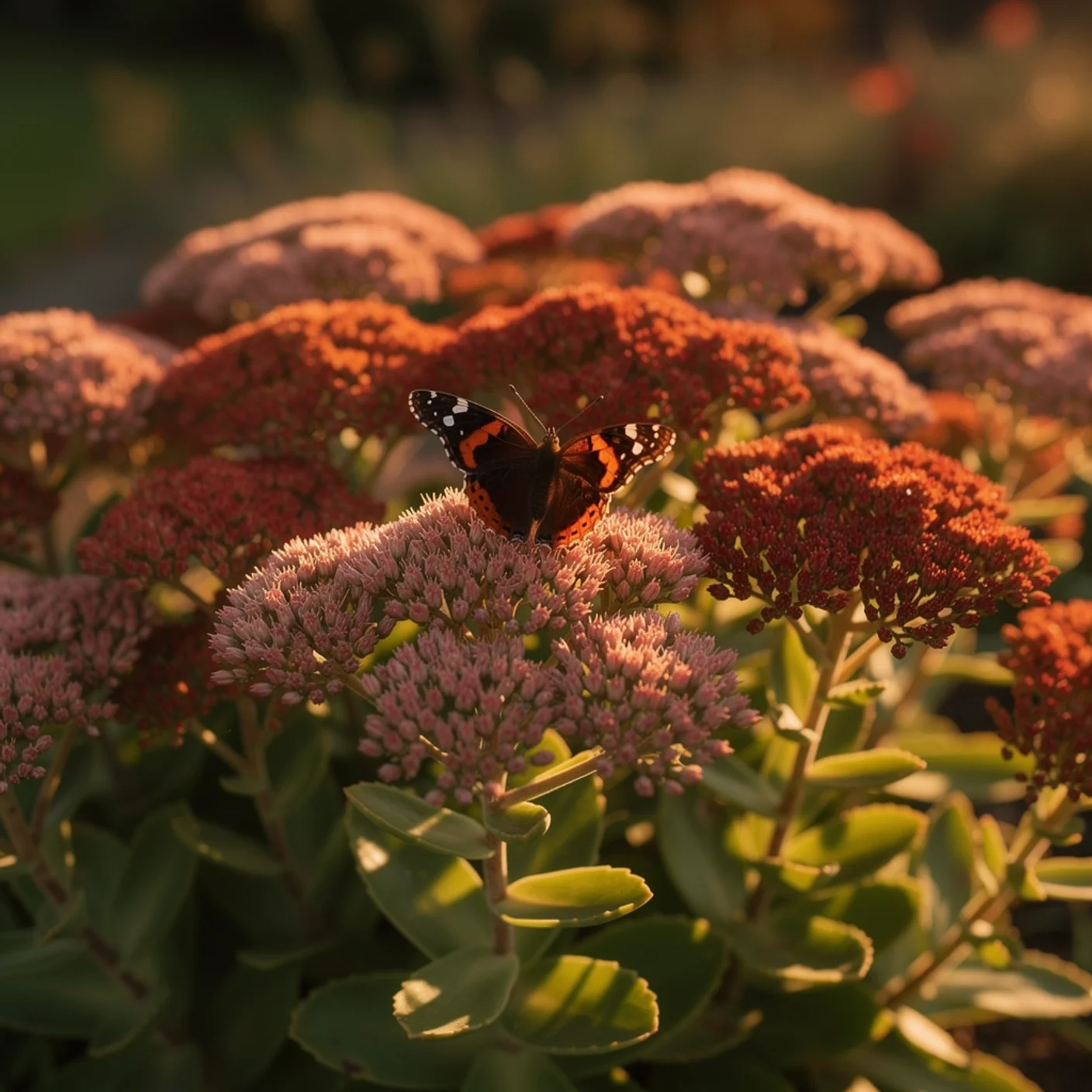
I grow mine at the back of a sunny border with Verbena bonariensis threading through it and Sedum 'Autumn Joy' in front. The three together in September are practically perfect — purple, blue, and dusty pink, all on these airy, see-through stems. It's one of those happy combinations I stumbled into rather than planned, and I've never changed it.
It needs sun and good drainage — give it a damp, shady corner and it'll sulk and flop. But in the right spot, it's one of the most trouble-free plants I grow. I cut the stems back hard in spring, right to the base, and that's the total extent of the maintenance. For something that looks this elegant for five months of the year, that's an extraordinary bargain.
Where to Buy
If you want to try perovskia for yourself, here's where I'd point you:
We may earn a small commission from purchases made through our links, at no extra cost to you.
✿ From the folklore cabinet
Perovskia is named after the nineteenth-century Russian general V.A. Perovski, a politician and explorer in Central Asia where the plant originates. It's commonly called Russian sage, though it's not Russian and it's not a sage — it's actually in the mint family, native to Afghanistan and Pakistan. The plant was relatively unknown in British gardens until it won the RHS Award of Garden Merit and started appearing in the 'New Perennial' planting schemes of Piet Oudolf. Now it's everywhere, and rightly so. Some plants earn their ubiquity.