Rose
Munstead Wood (David Austin English Rose)
“The finest dark red English rose. Extraordinary Old Rose scent with fruit and wine notes, compact habit, and that deep blackcurrant crimson that no photograph quite captures.”
— ROSIE
Rosie's Take
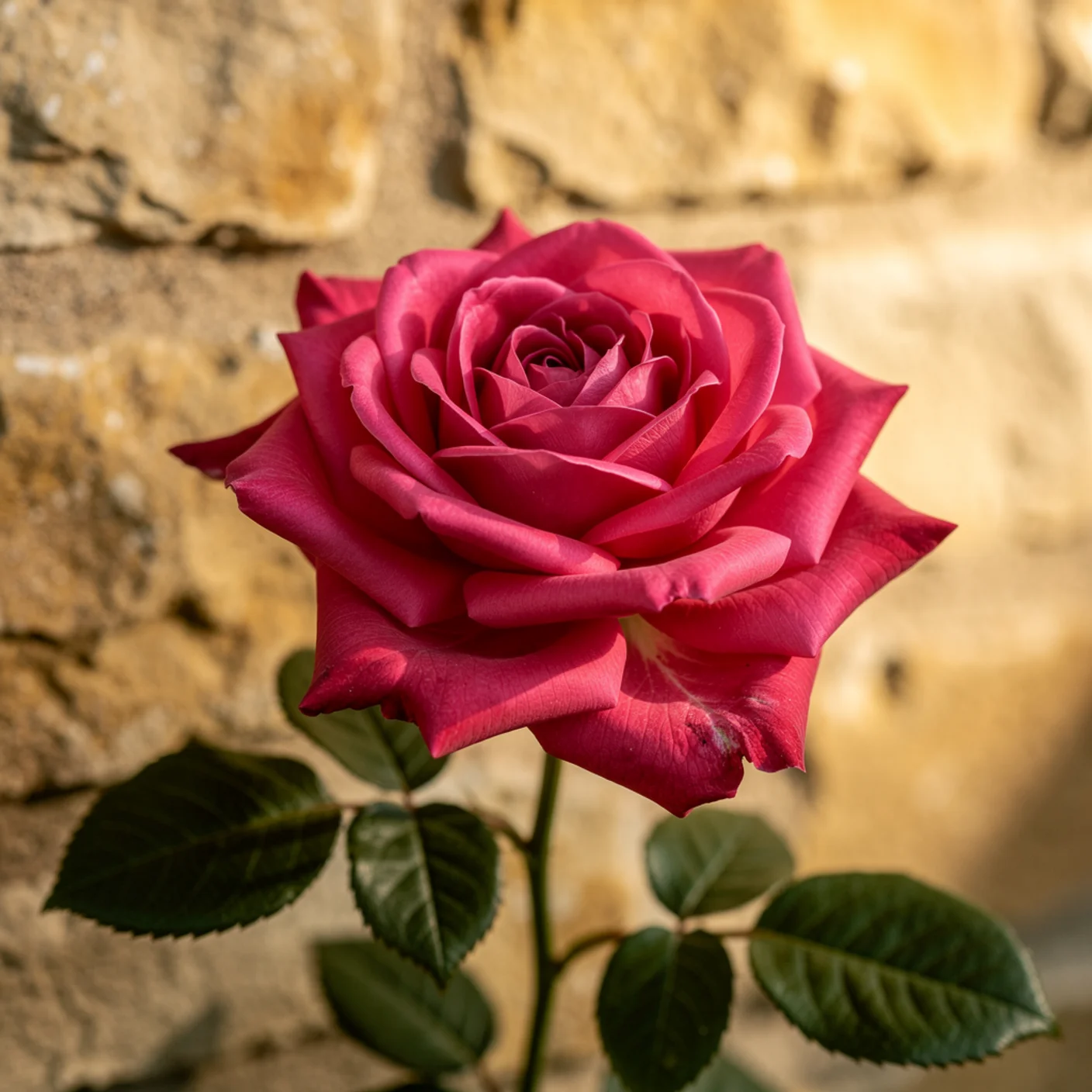
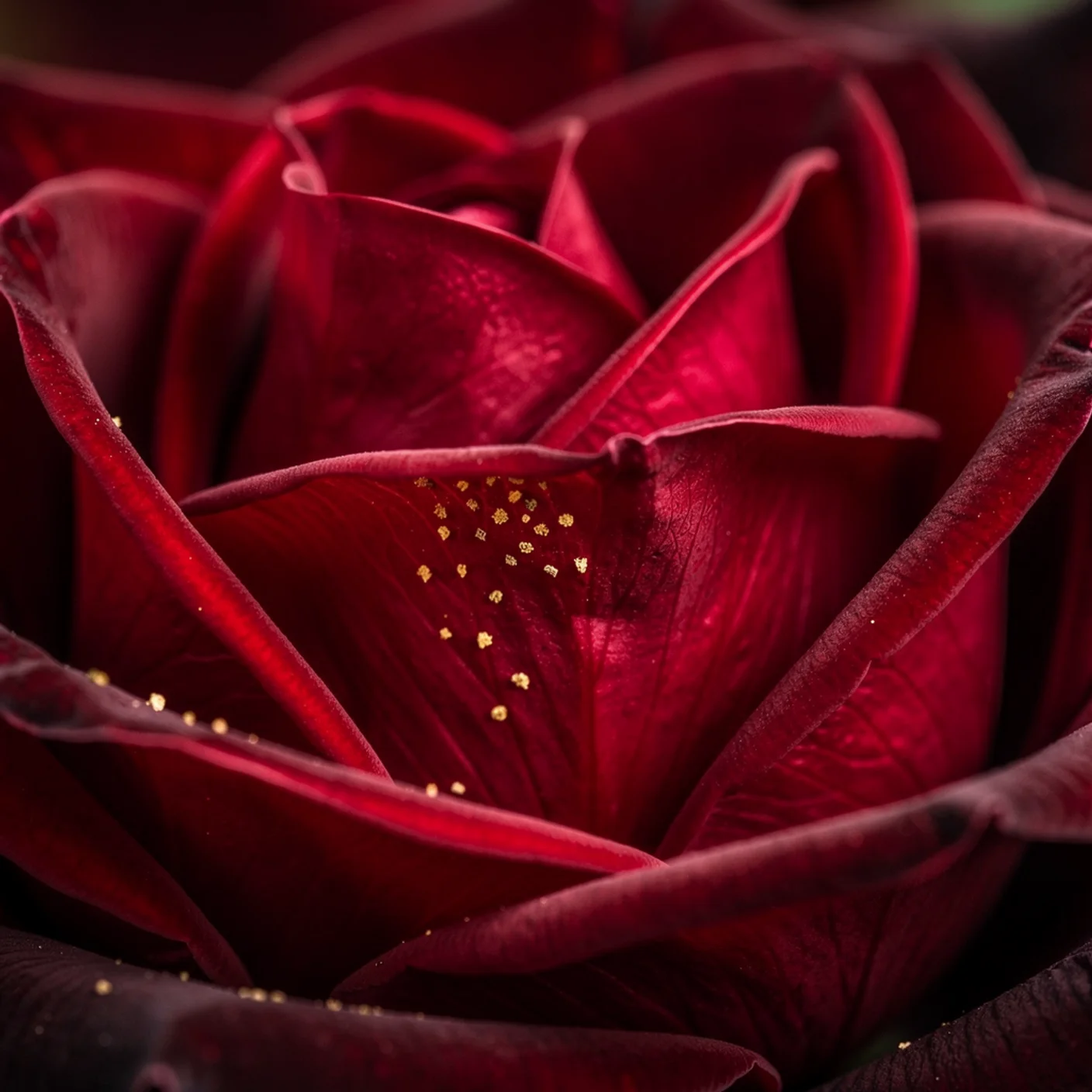
There are David Austin roses I admire, and there are David Austin roses I love, and then there's Munstead Wood, which I'm not sure I can be objective about at all. It's the colour that gets you first — a deep, velvety, blackcurrant crimson that darkens as it opens, moving from bright cerise in bud to something so rich and saturated it looks almost black in certain light. It's the red that every other red rose is trying to be.
But the scent is the thing. Munstead Wood has what I'd call a full Old Rose fragrance — warm, complex, slightly fruity, with layers of blackberry, damson, and something like old wine. It's the kind of scent that stops you mid-step in the garden and makes you stand there with your nose in a flower for longer than is probably dignified. On a warm June evening, a single bloom will scent a whole room. I've cut a stem, put it by my bed, and fallen asleep breathing it in.
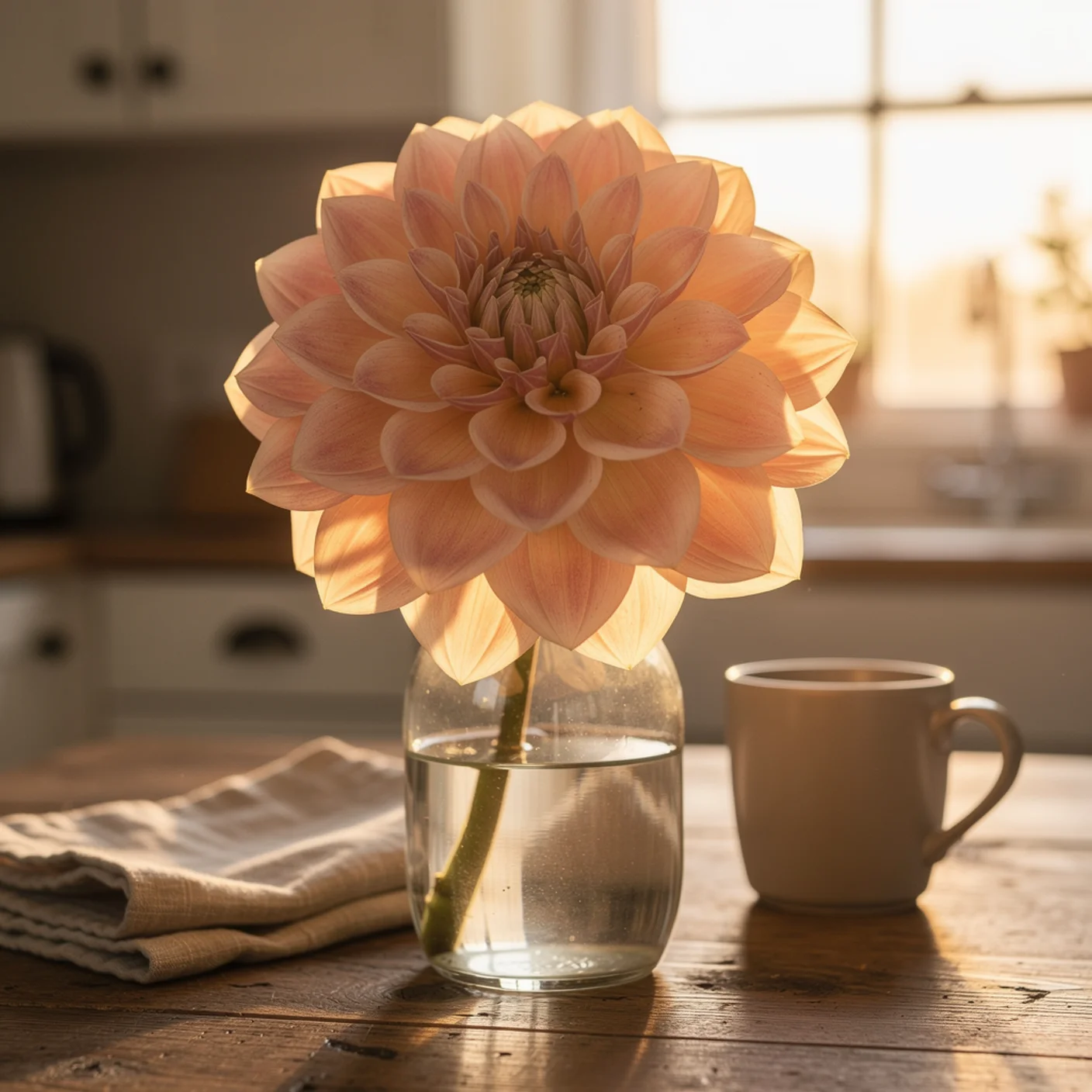
The bush is compact and well-behaved — about three feet tall, with dark, plum-tinted new foliage that complements the flowers beautifully. It repeat-flowers through summer and into autumn, and while the later flushes aren't as lavish as the June performance, they're still generous enough to keep the vase on my kitchen table supplied well into September.
David Austin named it after Gertrude Jekyll's garden in Surrey, which feels right. Jekyll understood that a garden should be sensory, not just visual — and this rose is proof of that principle. If you grow only one rose, make it this one. If you already grow twenty, you still need this one. I've never met anyone who grew Munstead Wood and regretted it.
Where to Buy
If you want to try rose for yourself, here's where I'd point you:
We may earn a small commission from purchases made through our links, at no extra cost to you.
✿ From the folklore cabinet
Munstead Wood takes its name from Gertrude Jekyll's garden in Surrey, where she practiced her revolutionary approach to planting design from 1883 until her death in 1932. Jekyll was nearly blind by the time she was famous, which may explain why her gardens were as much about scent and texture as colour. David Austin chose the name deliberately — this rose, with its extraordinary fragrance and rich colour, embodies everything Jekyll believed a garden should be. The crimson rose has carried symbolic weight for centuries in England — from the House of Lancaster in the Wars of the Roses to the red rose of the Labour Party. A red rose is never just a red rose.