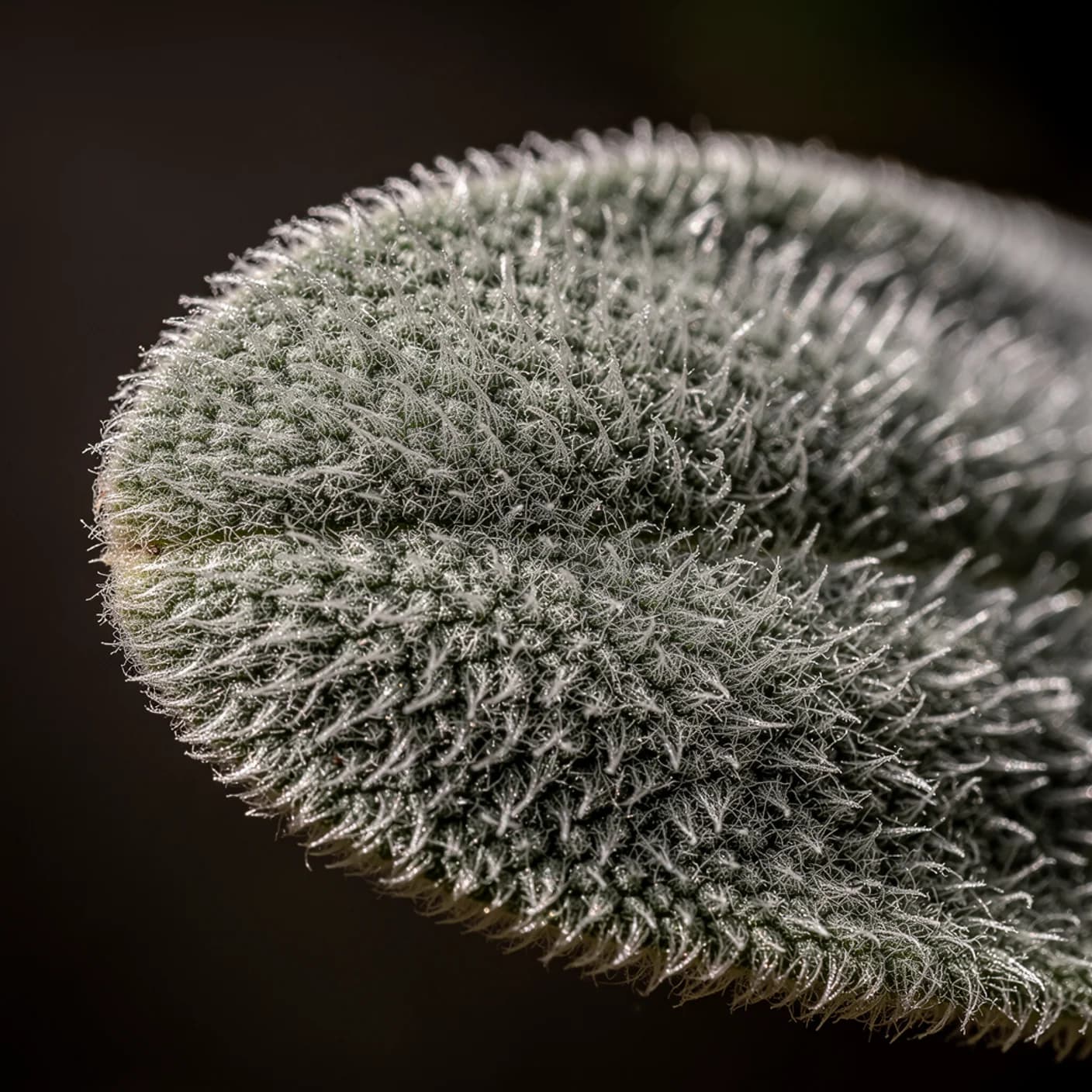
Stachys byzantina
Lamb's Ears
“Silver, soft, and irresistible to touch. Lamb's ears provides a ground-covering carpet of felted foliage that makes every colour behind it sing. The plant that turns adults into children.”
— ROSIE
Rosie's Take
Children understand Stachys byzantina instinctively. They see the leaves and they reach for them, because the leaves look exactly like what they are — soft, furry, silver things that demand to be touched. And when they touch them, they laugh, because the texture is extraordinary. Thick, densely felted with fine silver hairs, impossibly soft — like stroking a rabbit's ear. Every child who's ever been in my garden has sat on the path stroking lamb's ears. It's the most tactile plant in cultivation.
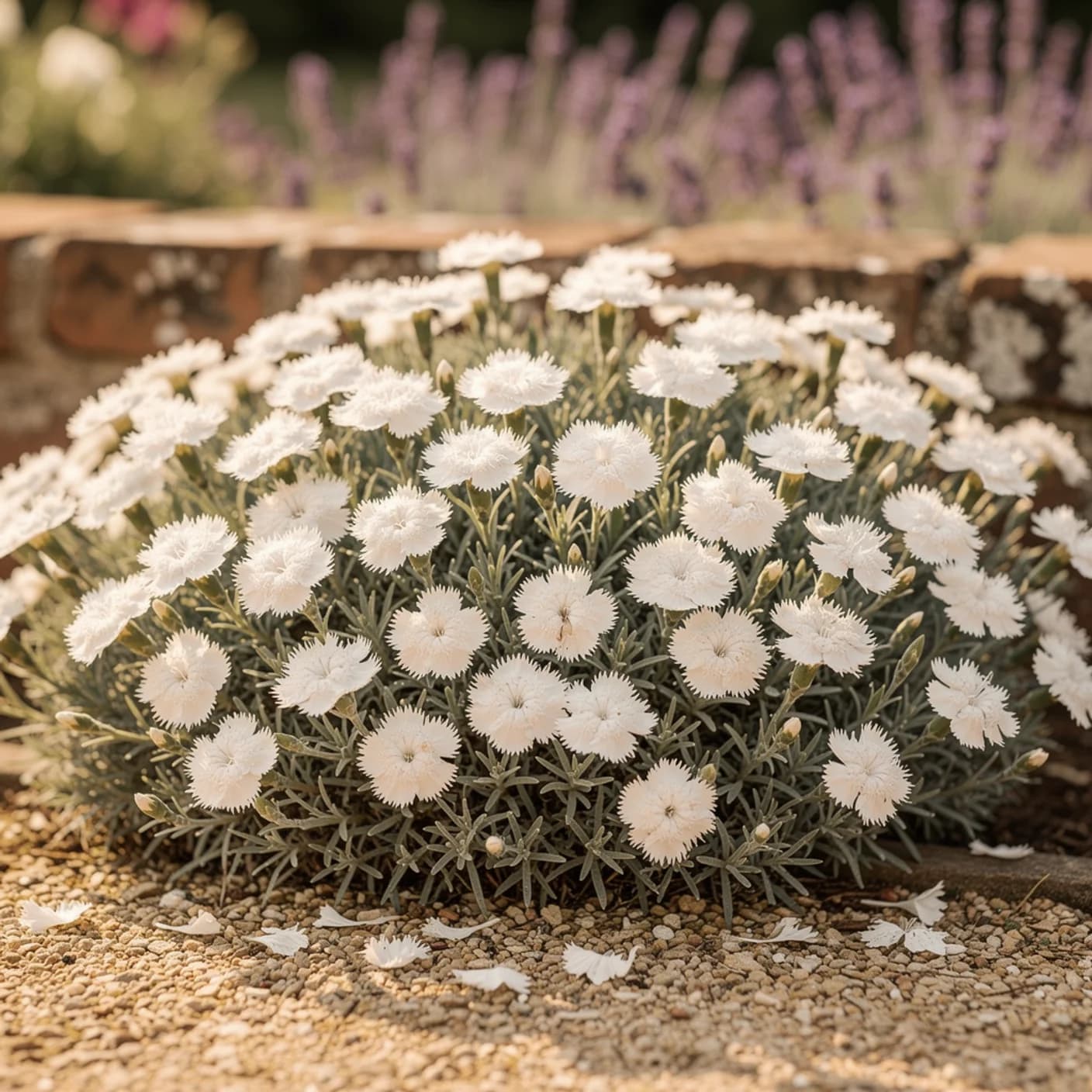
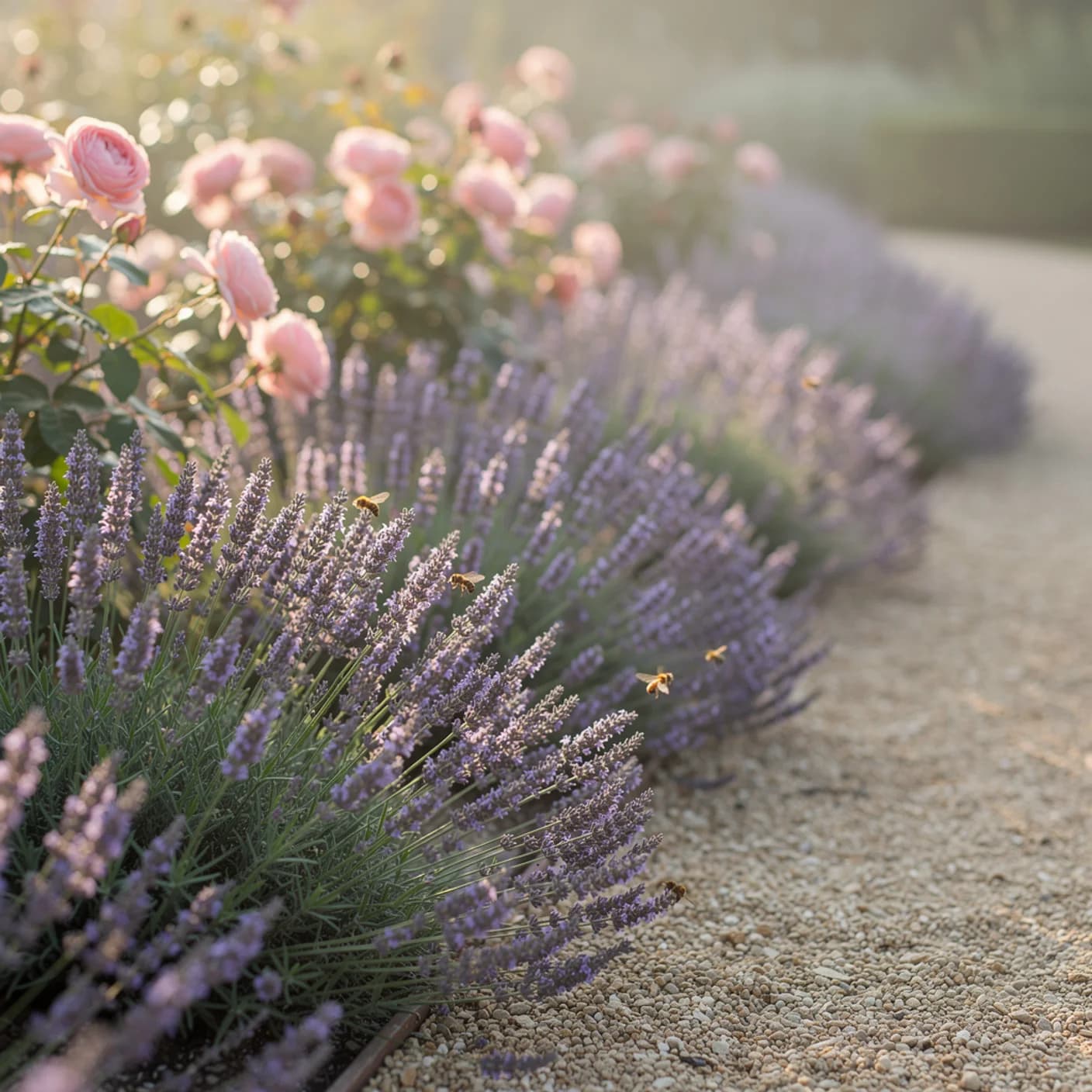
The leaves form low, spreading mats of silver-grey that look good almost all year round. In a border, they provide a calm, neutral, silvery carpet that makes everything planted behind them look more vivid. Put lamb's ears at the front of a border with deep-purple salvias or pink dianthus behind, and the silver foliage intensifies every colour it sits against. It's the plant equivalent of a good frame.
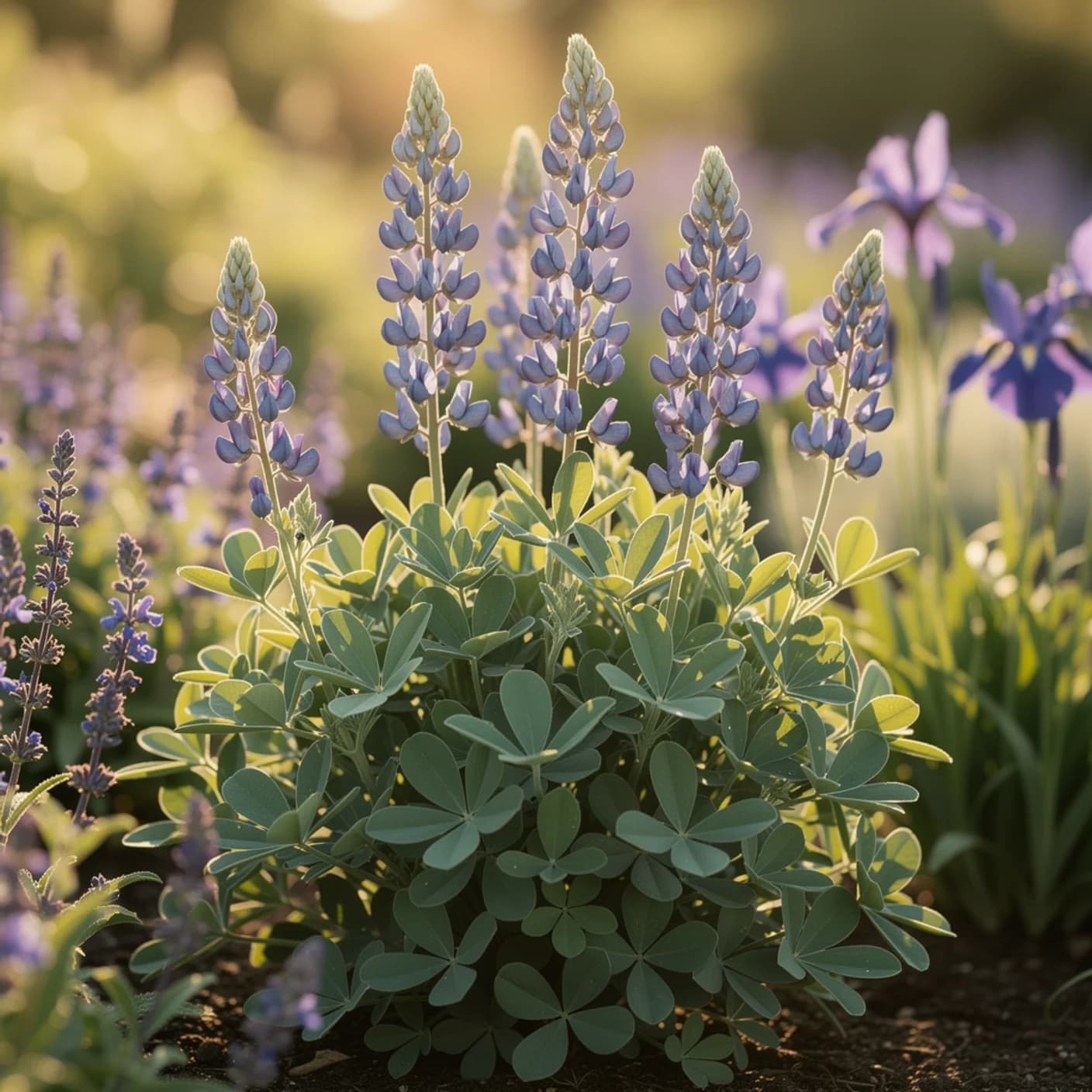
The flower spikes appear in June and July — woolly, felted columns of tiny, magenta-pink flowers emerging from silver bracts. Some gardeners cut them off, preferring the foliage alone. I leave them. The spikes are quirky and characterful, and bees love them. In late summer, when the flowers are spent, the silver spikes dry to pale straw and rattle pleasingly in the wind.
It's a ground-cover plant that asks for nothing except decent drainage. In wet, heavy soil it'll rot at the crown, but in sun and well-drained ground it spreads happily, rooting as it goes, creating a soft silver carpet that's weed-suppressing, beautiful, and irresistibly touchable. I've lost count of the times I've passed my own lamb's ears on the way to the back door and reached down to stroke a leaf. Thirty years of gardening and the texture still surprises me. Some pleasures don't wear out.
Where to Buy
If you want to try stachys byzantina for yourself, here's where I'd point you:
We may earn a small commission from purchases made through our links, at no extra cost to you.
✿ From the folklore cabinet
Stachys byzantina is native to Turkey, Armenia, and Iran — the 'byzantina' refers to its association with Constantinople. The common name 'lamb's ears' is universal and self-explanatory, though it's also been called 'donkey's ears,' 'woolly woundwort,' and 'Jesus flannel.' That last name hints at its traditional use — the soft, absorbent leaves were used as wound dressings and bandages before modern gauze existed. Soldiers in the American Civil War reportedly used stachys leaves to dress battlefield wounds. A plant that's simultaneously one of the most decorative and one of the most practical in the garden. I like that combination.