Lupin
Gallery Mixed
“The vertical drama every June border needs. Compact, vivid, and satisfying enough to justify a dedicated jug.”
— ROSIE
Rosie's Take
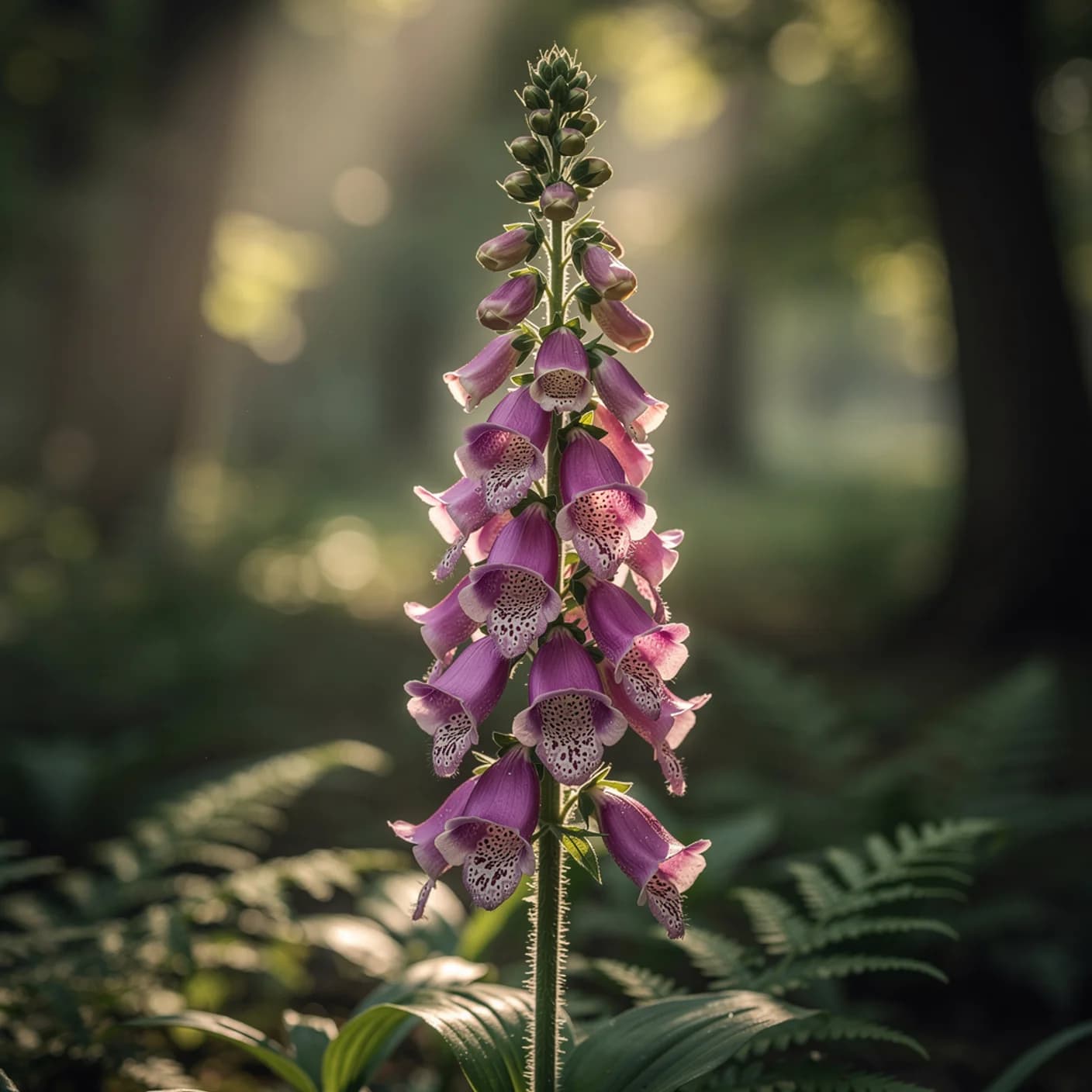
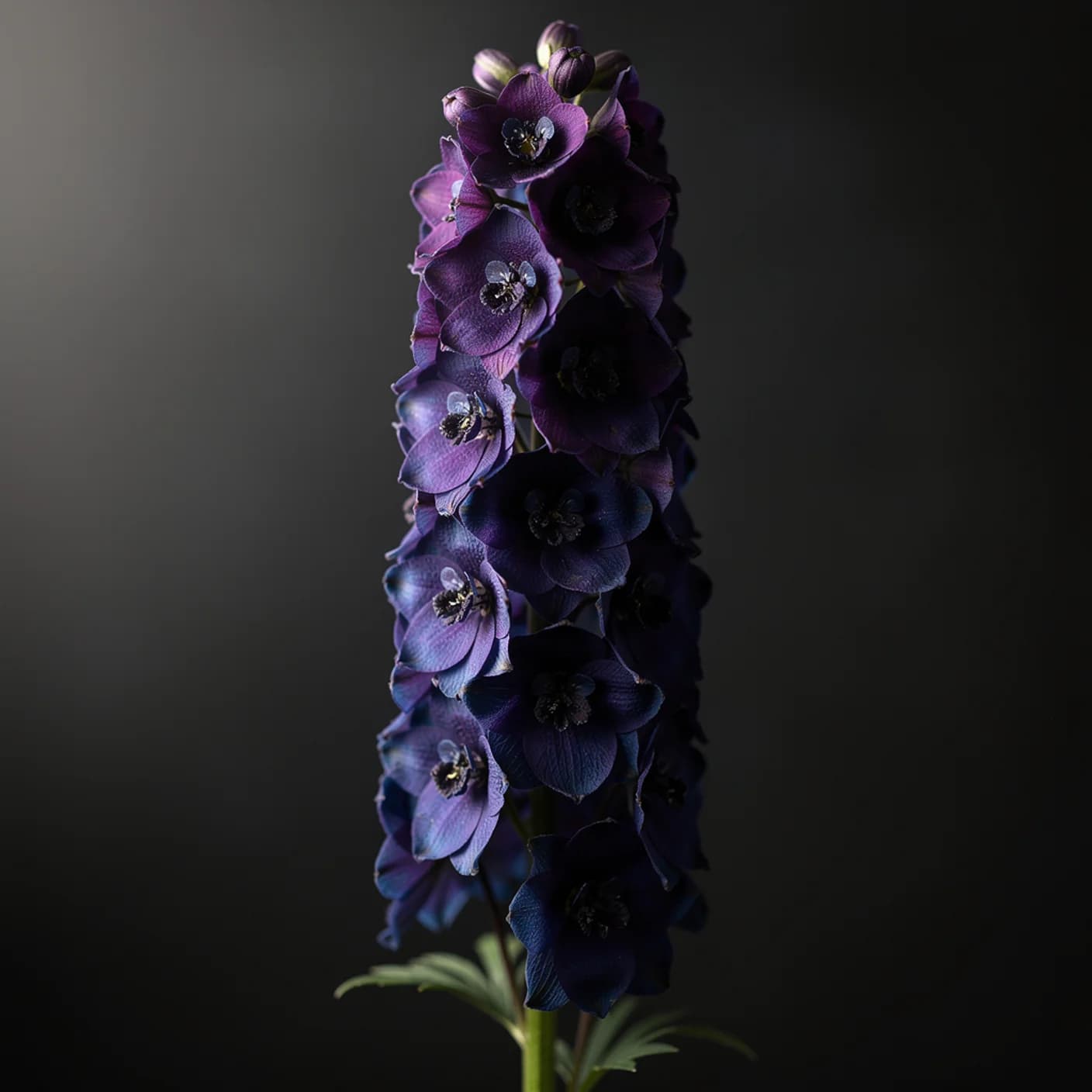
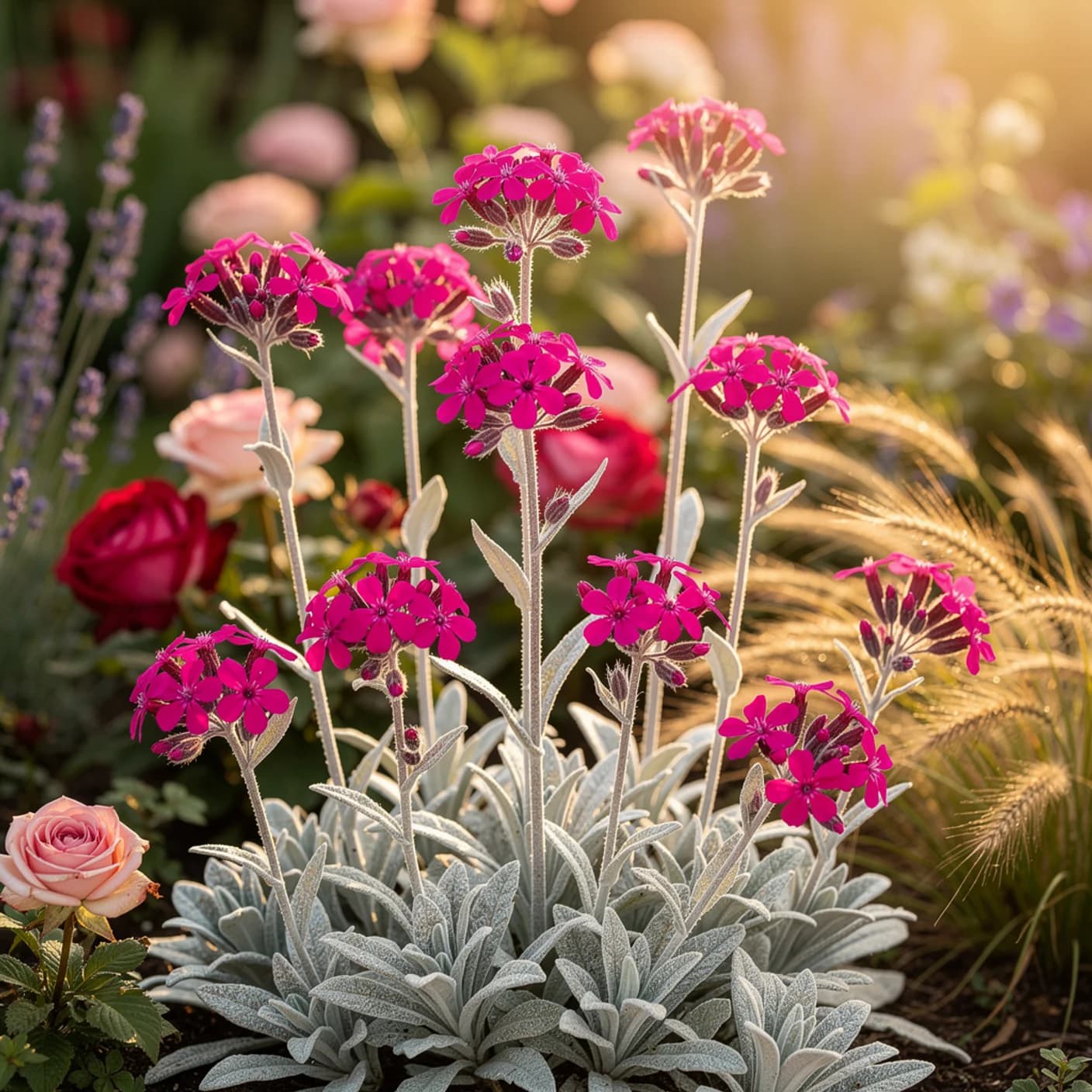
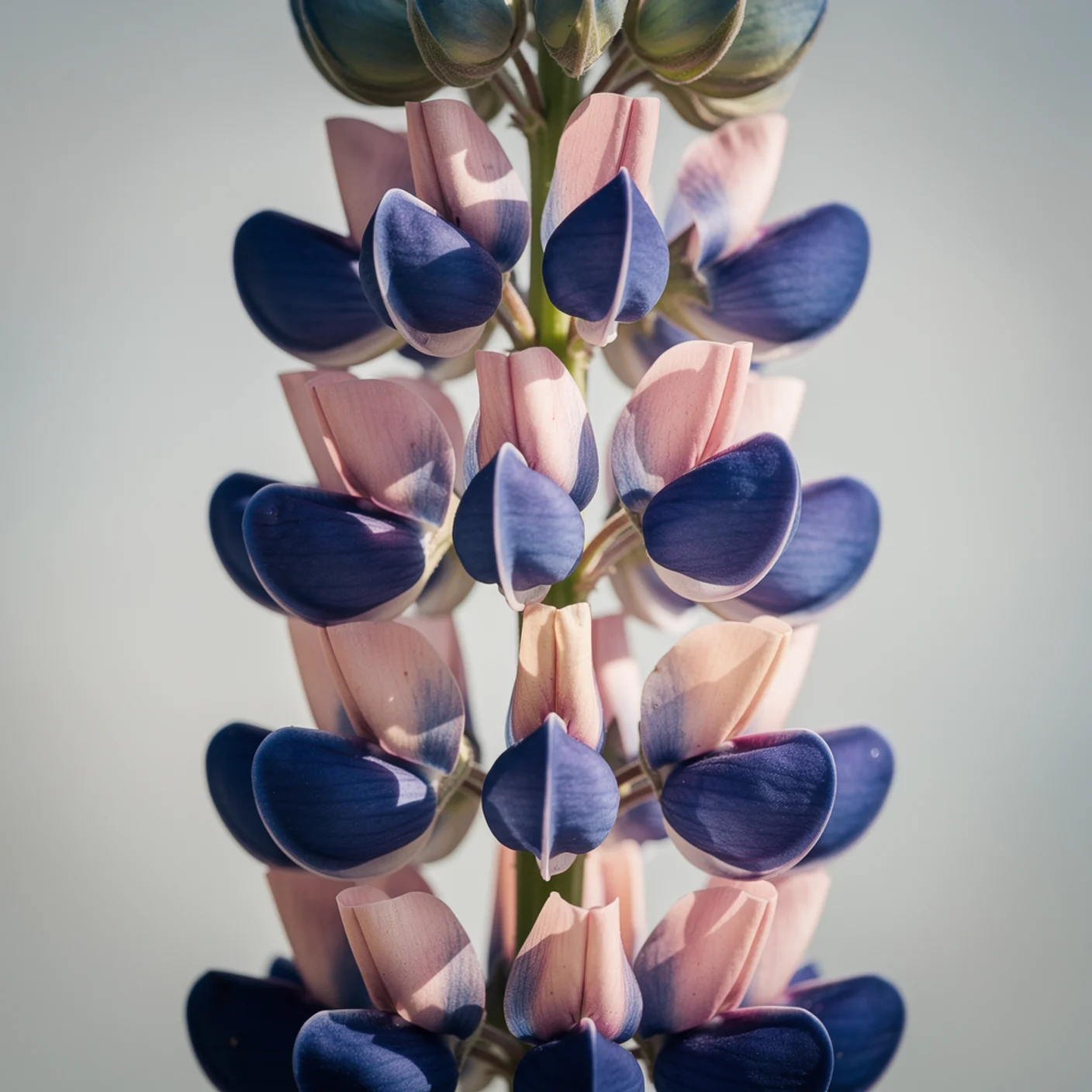
There's a week in June when the lupins are at their peak, and for that week my garden border looks like it belongs in a painting. 'Gallery Mixed' gives you these compact, dense spires in every colour you could want — deep blue, soft pink, rich red, butter yellow, and that extraordinary bicolour where two shades chase each other up the same spike.
Lupins are cottage garden royalty. They've been lining borders and filling vases in British gardens since the Victorians decided they were the thing, and honestly, the Victorians were right about this one. There's something about that vertical, almost architectural shape that gives a garden structure without any stiffness.
The 'Gallery' series is smaller than the old Russell hybrids — about sixty centimetres rather than a metre — which makes them better behaved in a border and means they don't need staking. They're also more compact as cut flowers, which I prefer. A few stems in a wide-mouthed jug is one of the most satisfying things June can offer.
They're not long-lived plants — three or four years and they start to decline — but they self-seed freely if you let them, and the seedlings often surprise you with colour combinations neither parent had. I think of them as generous plants. They give everything they've got for a few glorious years and then hand the baton on.
Where to Buy
If you want to try lupin for yourself, here's where I'd point you:
Also available as seeds — Lupin 'Band of Nobles Mixed' - Seeds →
We may earn a small commission from purchases made through our links, at no extra cost to you.
✿ From the folklore cabinet
The name 'lupin' comes from the Latin 'lupinus,' meaning wolf — the Romans thought the plants robbed the soil of nutrients, though they actually do the opposite, fixing nitrogen and enriching it. Lupinus has been cultivated for food in the Mediterranean for over three thousand years. I just grow them because they make June feel like a celebration.