Agapanthus
Blue Storm
“One stem in a tall vase is enough. Give them the hottest spot you have and they'll thank you with the most dramatic blue in the garden.”
— ROSIE
Rosie's Take
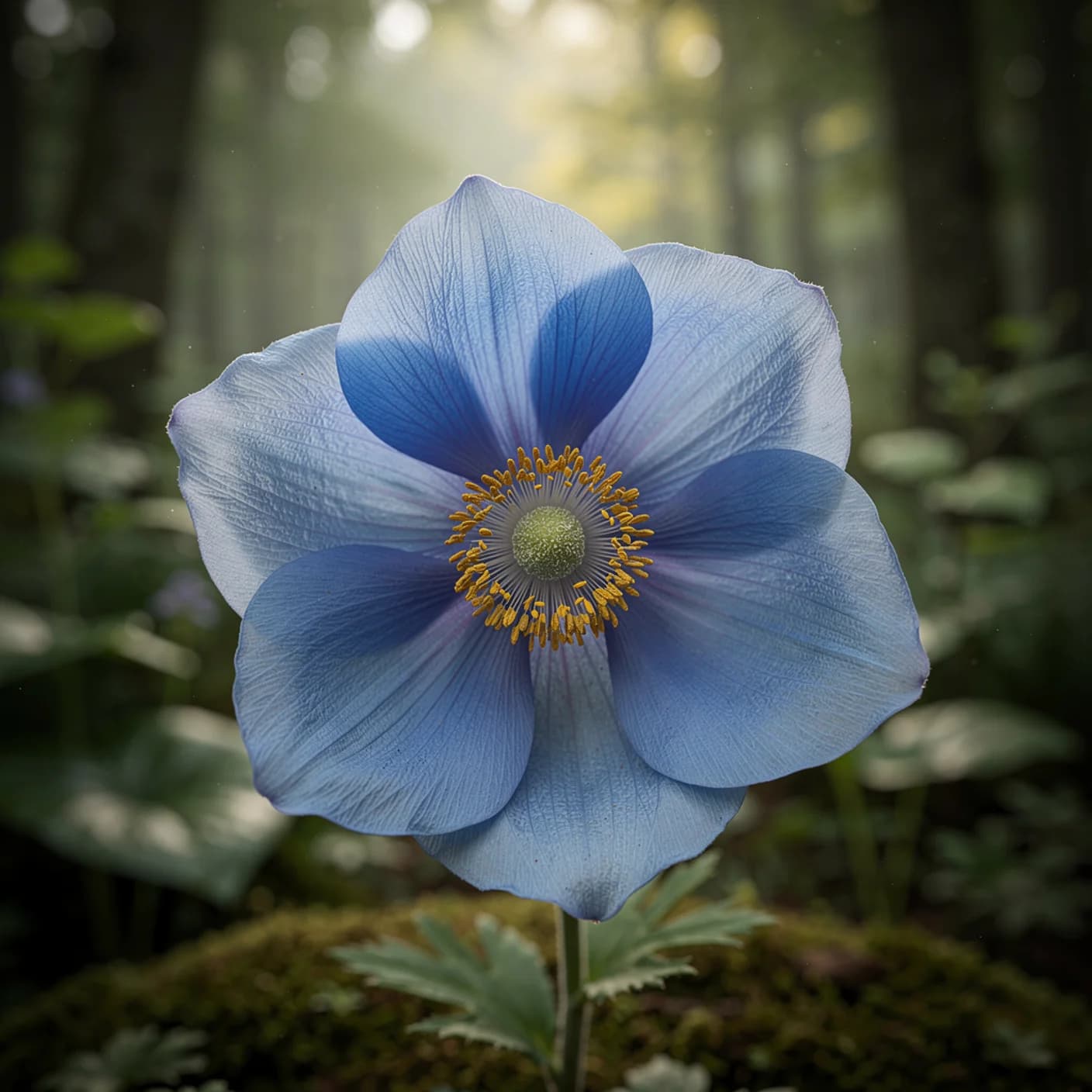
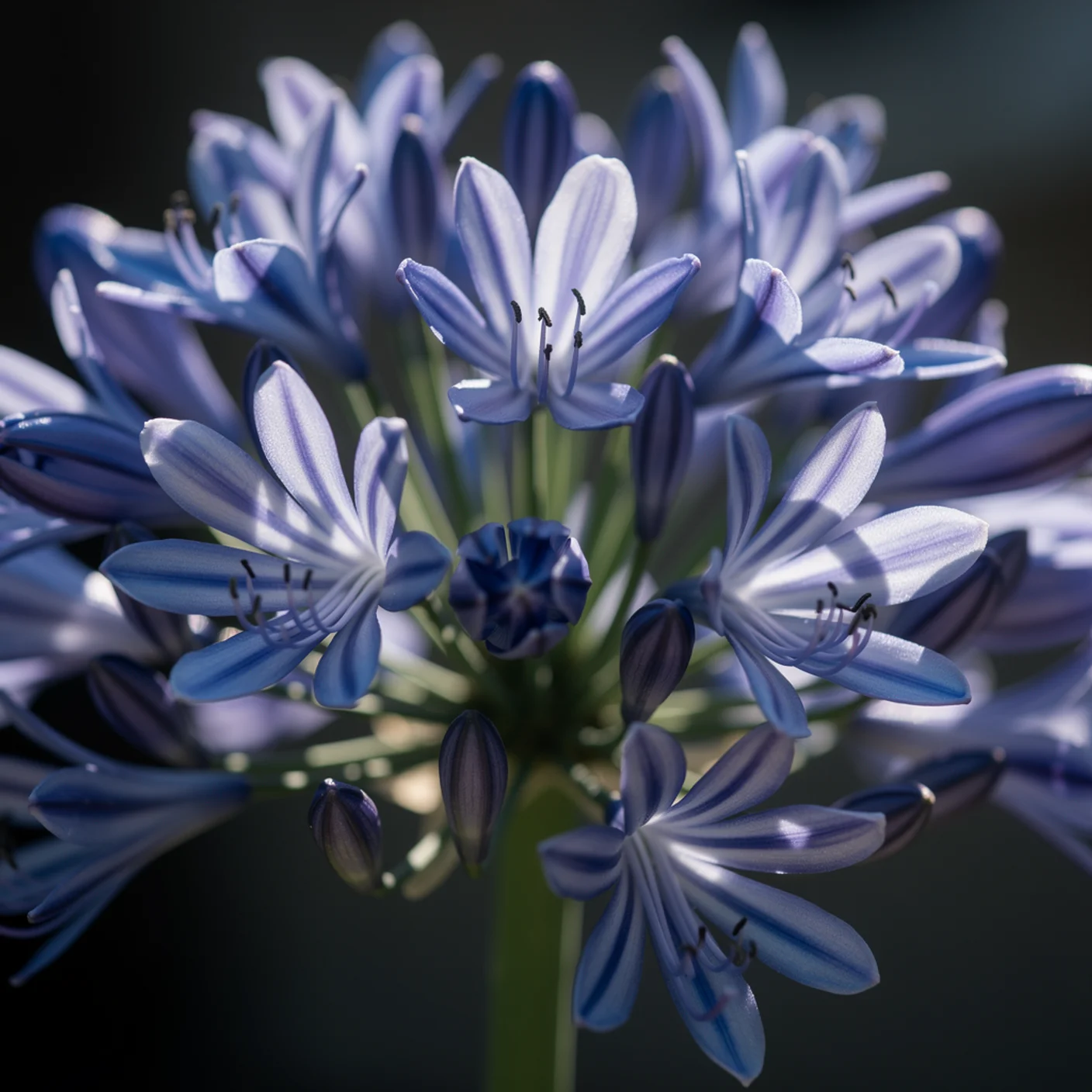
The first time I saw agapanthus properly — not in a photo, not in someone else's garden glimpsed over a wall, but up close, in full bloom — I made a noise. An involuntary, slightly embarrassing noise. Those enormous spherical heads of trumpet-shaped blue flowers on tall, architectural stems, exploding upward like botanical fireworks. Blue Storm is the variety that did it — compact, incredibly floriferous, and a blue so deep and saturated it makes the sky look pale.
They're South African in origin, which explains why they love sun and warmth and do their best work in the most sheltered, south-facing spot you can give them. In mild parts of the UK — coastal gardens, London, the south-west — they'll thrive outside year-round. Elsewhere, they're magnificent in large pots that you can tuck against a warm wall.
Each flower head is a sphere of thirty or forty individual trumpet-shaped florets, opening from the outside in. The effect changes daily as more florets open and the sphere fills out. At peak bloom, they're architectural, dramatic, and somehow both modern and ancient-looking at the same time.
They're not a traditional cut flower, but a single stem in a tall, narrow vase is one of the most striking things you can put in a room. The head is so large it needs nothing else. One stem. One vase. Done.
The strap-like evergreen foliage is handsome year-round, and after flowering, the seed heads dry to a warm brown and look wonderful through autumn and winter. Like the best garden plants, agapanthus earns its space in every season, not just the three weeks when it's in flower.
Where to Buy
If you want to try agapanthus for yourself, here's where I'd point you:
We may earn a small commission from purchases made through our links, at no extra cost to you.
✿ From the folklore cabinet
Agapanthus means 'flower of love' in Greek — from 'agape' (love) and 'anthos' (flower). In South Africa, where they grow wild, they're traditionally used in pregnancy medicines and as love charms. I like the idea of a flower this dramatic being associated with something as quiet and powerful as love.