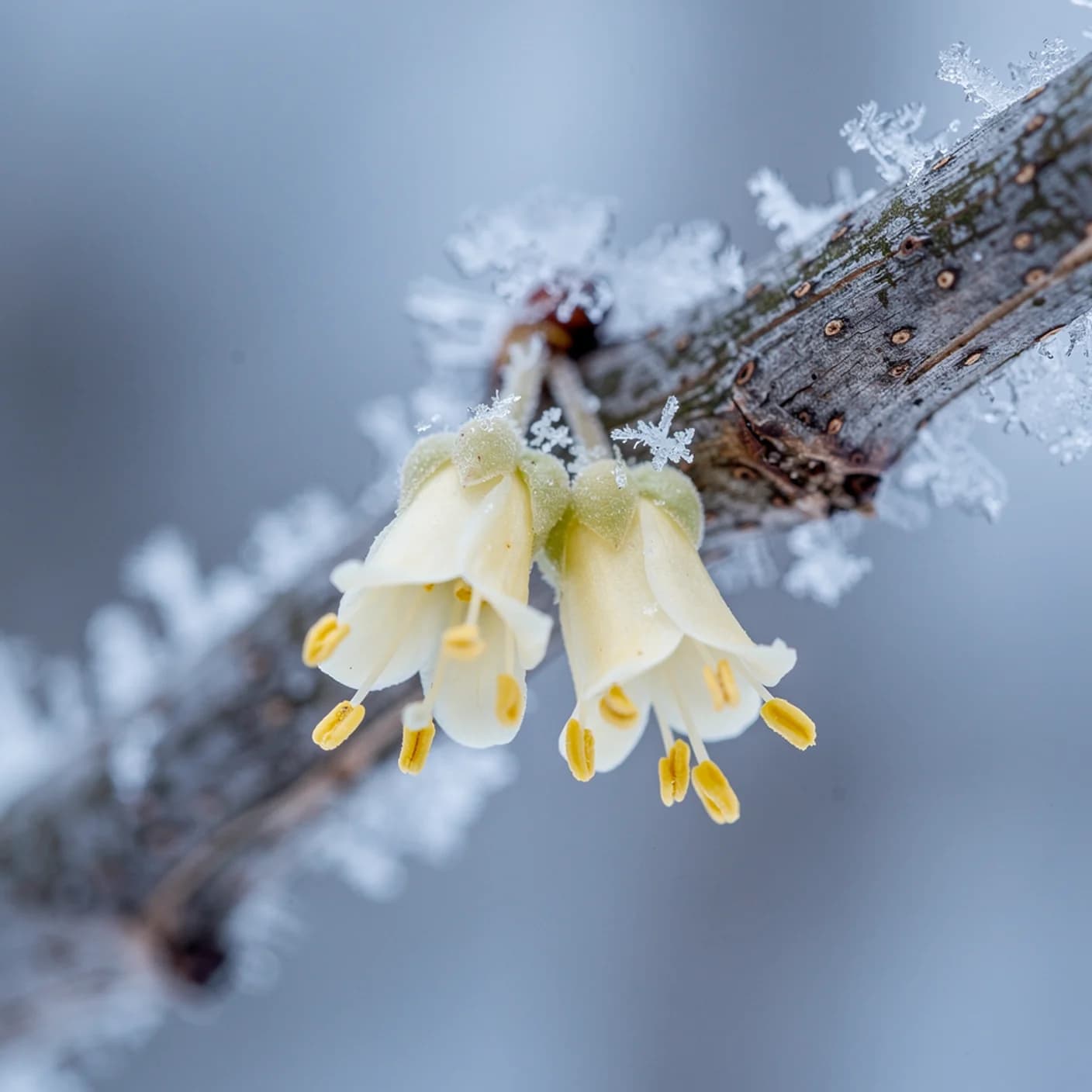
Winter Honeysuckle
Lonicera fragrantissima
“The winter garden's invisible miracle. You'll walk past it for nine months, then spend January wondering what smells so extraordinary. Plant it beside your front door.”
— ROSIE
Rosie's Take
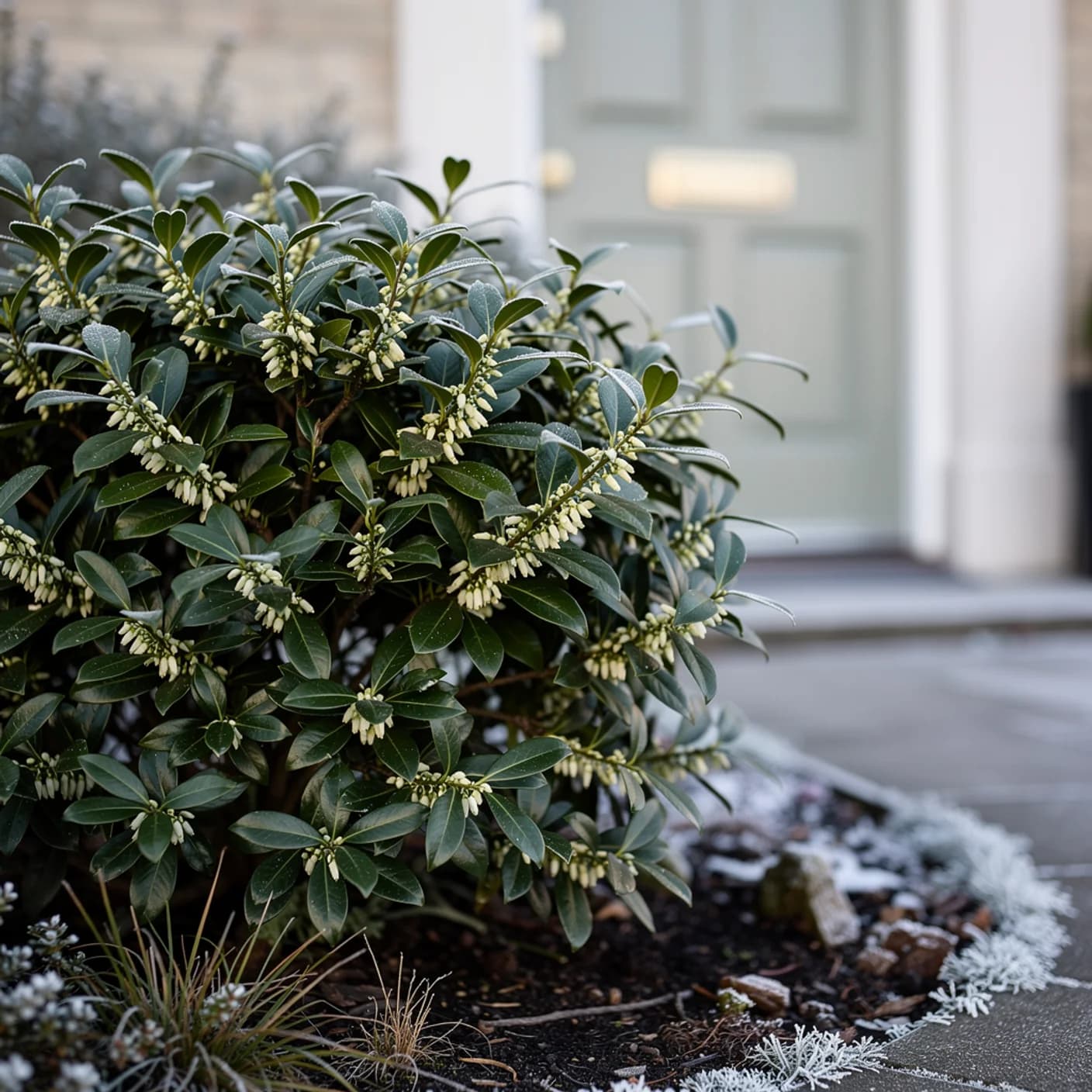
Winter honeysuckle is one of the great unsung plants. It's not much to look at — a slightly ungainly, semi-evergreen shrub that spends most of the year being quietly, unremarkably green. You'd walk past it without a second glance from April to November. And then, in the dead of January, it starts to flower, and suddenly you understand why someone planted it there.
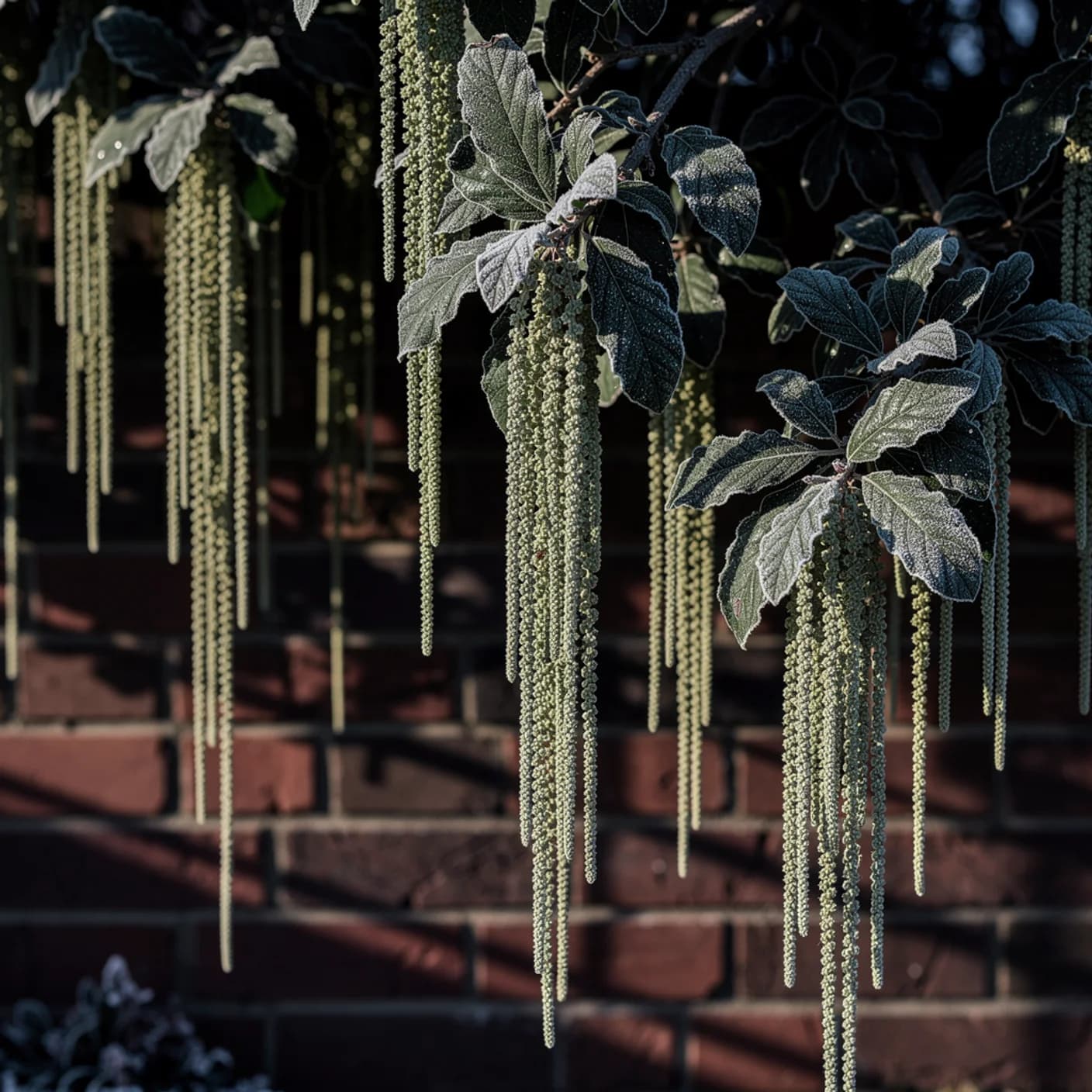
The flowers are tiny — small, creamy-white, utterly insignificant to look at. You could miss them entirely. But the scent. The scent is magnificent. Rich, honeyed, and carrying — it drifts across the garden on cold January air with a range that seems impossible from such small flowers. I've caught it from twenty feet away on a still afternoon, and stood there trying to work out where it was coming from. That's the experience of winter honeysuckle — the scent finds you before you find the flowers.
I grow mine beside the path to the front door, because this is a plant that earns its place through proximity. You want to walk past it daily in winter, preferably twice. The scent is strongest on mild, still days — those soft grey January afternoons when the air is damp and the temperature creeps above freezing. On those days, the whole path smells of honey and lemon.
It flowers for weeks. Through January, into February, sometimes brushing up against early March. That's a long run of scent in a season when the garden offers almost nothing else. A few stems cut and brought inside will perfume an entire room. I keep a small vase of them on the kitchen table all through late winter, and every time I walk in, the room smells like the promise of spring.
Where to Buy
If you want to try winter honeysuckle for yourself, here's where I'd point you:
We may earn a small commission from purchases made through our links, at no extra cost to you.
✿ From the folklore cabinet
Lonicera fragrantissima was introduced to Britain from China in 1845 by the plant hunter Robert Fortune, who smuggled tea plants out of China disguised as a local merchant. The species name 'fragrantissima' means 'most fragrant' — and for once, the Latin doesn't exaggerate. It's a member of the same genus as the summer honeysuckle that scrambles through hedgerows, but the family resemblance is in the scent, not the habit. In China, honeysuckle flowers are used in traditional medicine as 'jin yin hua' — gold-silver flower — and brewed into a tea believed to clear heat and toxins.