Summer Snowflake
Leucojum aestivum 'Gravetye Giant'
“The elegant, taller cousin of the snowdrop. 'Gravetye Giant' is perfect near water, multiplies steadily, and gets more beautiful every year.”
— ROSIE
Rosie's Take
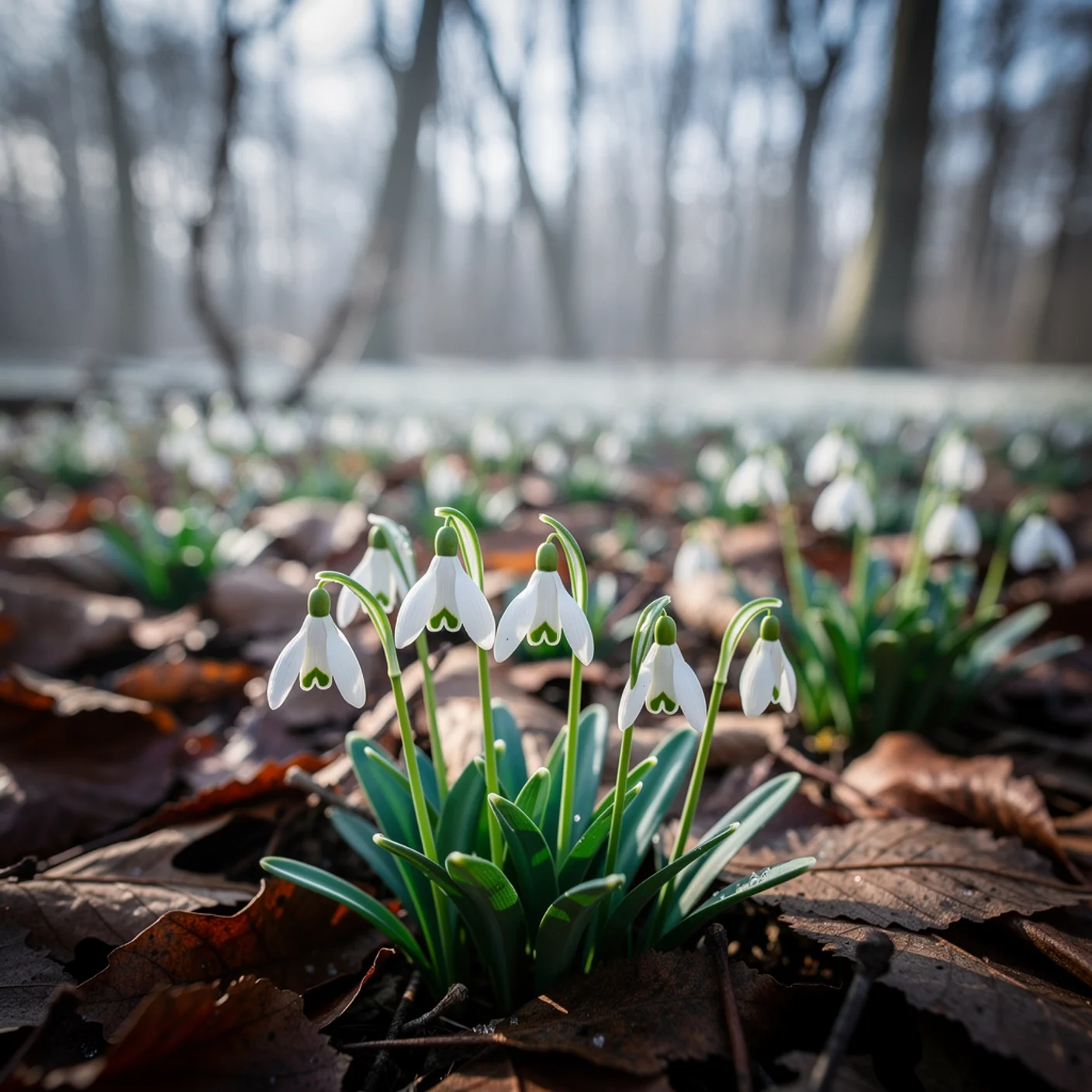
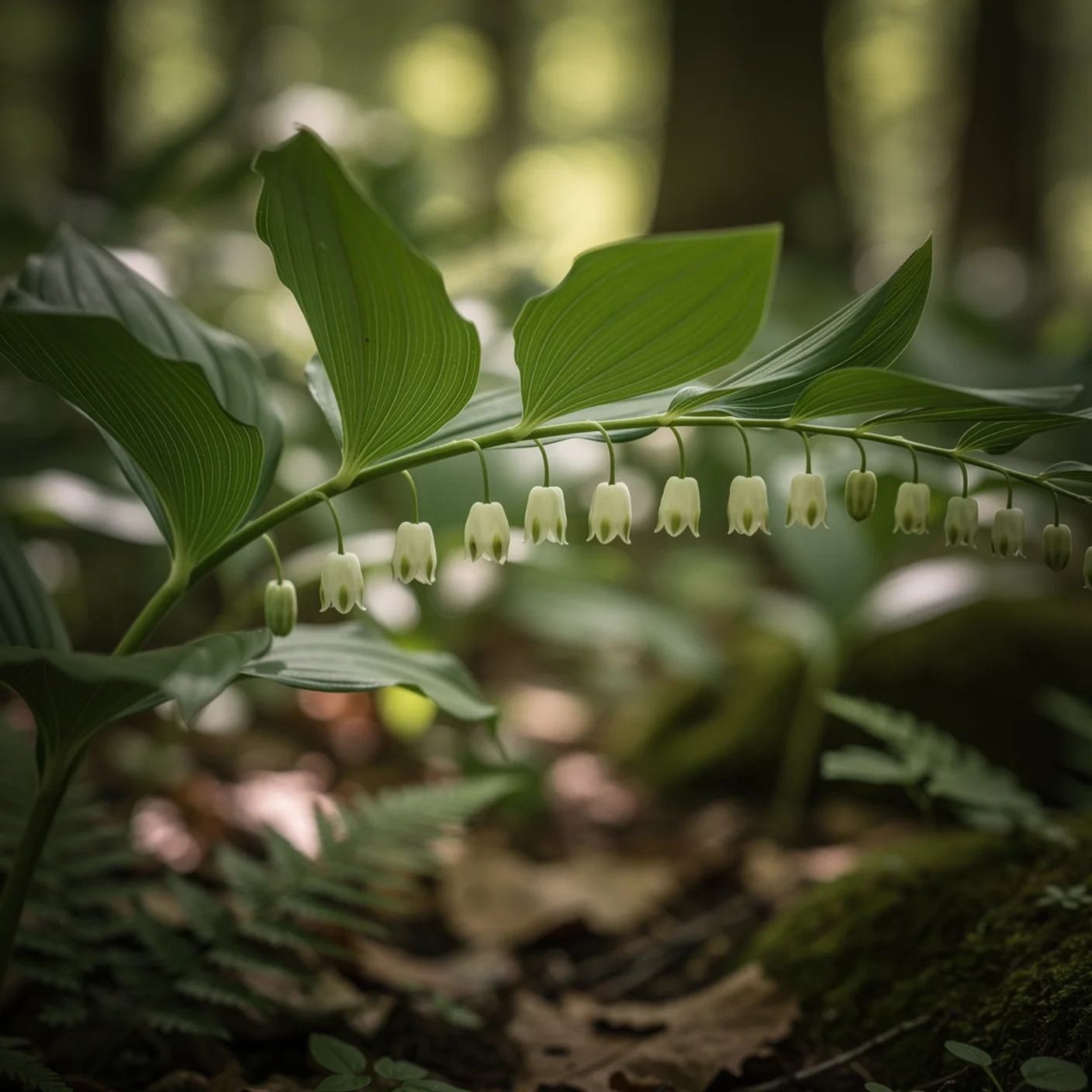
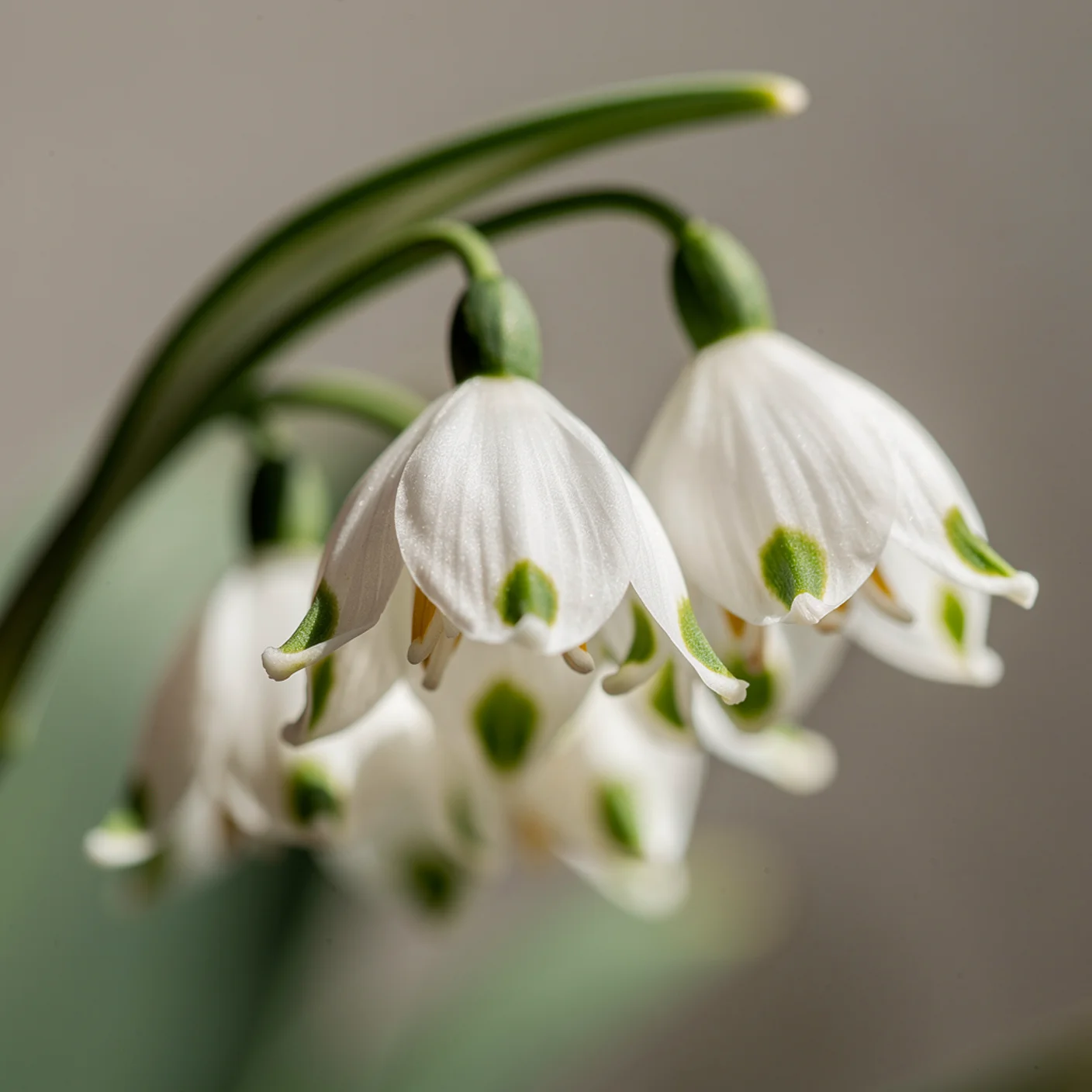
Summer snowflake is one of those flowers that people notice and then immediately confuse with something else. 'Is that a big snowdrop?' No, it isn't — but I understand the confusion. The white, bell-shaped flowers with their distinctive green spots at the tip of each petal are reminiscent of snowdrops, but leucojum is taller, later, and has its own distinct character. Where snowdrops are delicate and humble, summer snowflake is upright and assured.
'Gravetye Giant' is the variety to grow — tall stems, up to two feet, carrying clusters of three to five nodding white bells. Each bell is tipped with a small green dot on every petal, like someone touched each one with a paintbrush dipped in spring green. It's a tiny detail but it transforms the flower from merely pretty to genuinely elegant.
Despite the name, summer snowflake actually flowers in late spring — April to May in most of Britain. It likes damp ground, which makes it perfect for planting near water or in that boggy patch at the bottom of the garden that nothing else wants. Naturalised in grass beside a pond, with the white bells reflected in the water, it's a scene from a Claude Monet painting that costs almost nothing to achieve.
The bulbs multiply steadily over the years, forming bigger and bigger clumps. After five years my original group of ten bulbs has become a proper colony, and each spring the display gets better. It's the kind of slow, compound-interest gardening I enjoy most — small investments that grow over time into something genuinely generous.
Where to Buy
If you want to try summer snowflake for yourself, here's where I'd point you:
We may earn a small commission from purchases made through our links, at no extra cost to you.
✿ From the folklore cabinet
The name 'Gravetye Giant' connects this plant to one of the most important gardens in English horticultural history — Gravetye Manor in Sussex, the home of William Robinson, the great Victorian champion of wild and natural gardening. Robinson naturalised leucojum in the damp meadows at Gravetye, where they still flower magnificently today. 'Leucojum' means 'white violet' in Greek, which makes no sense at all — the plant is neither violet-coloured nor violet-shaped — but botanical naming has never been entirely logical.