Anemone
De Caen
“Bold, affordable, and they close at night and open in the morning like they're keeping time. One of the best value spring bunches going.”
— ROSIE
Rosie's Take
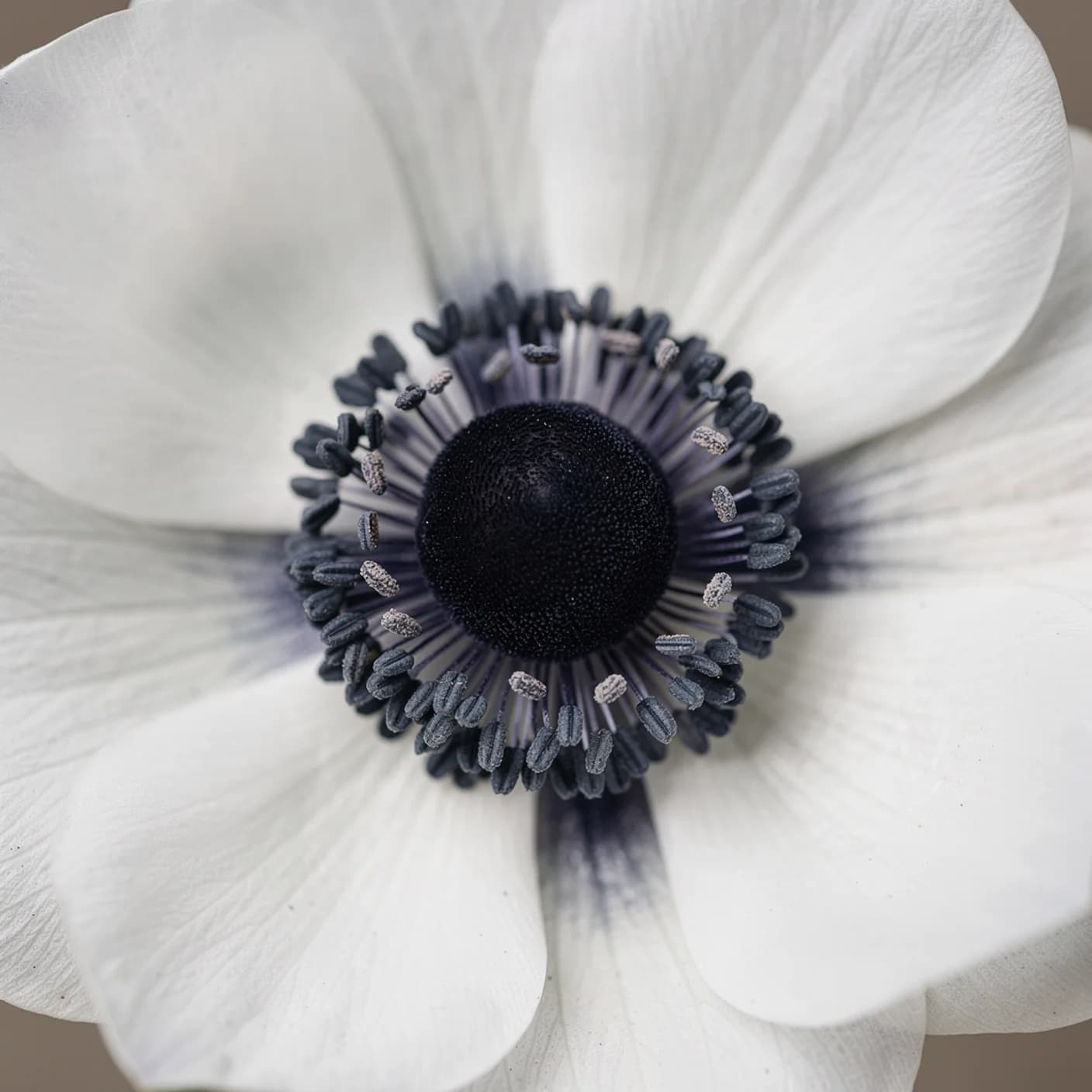
Anemones are the flower I'd describe as deceptively simple. They look uncomplicated — a circle of petals around a dark, dramatic centre — but there's a graphic quality to them that makes everything else in the room look slightly less interesting.
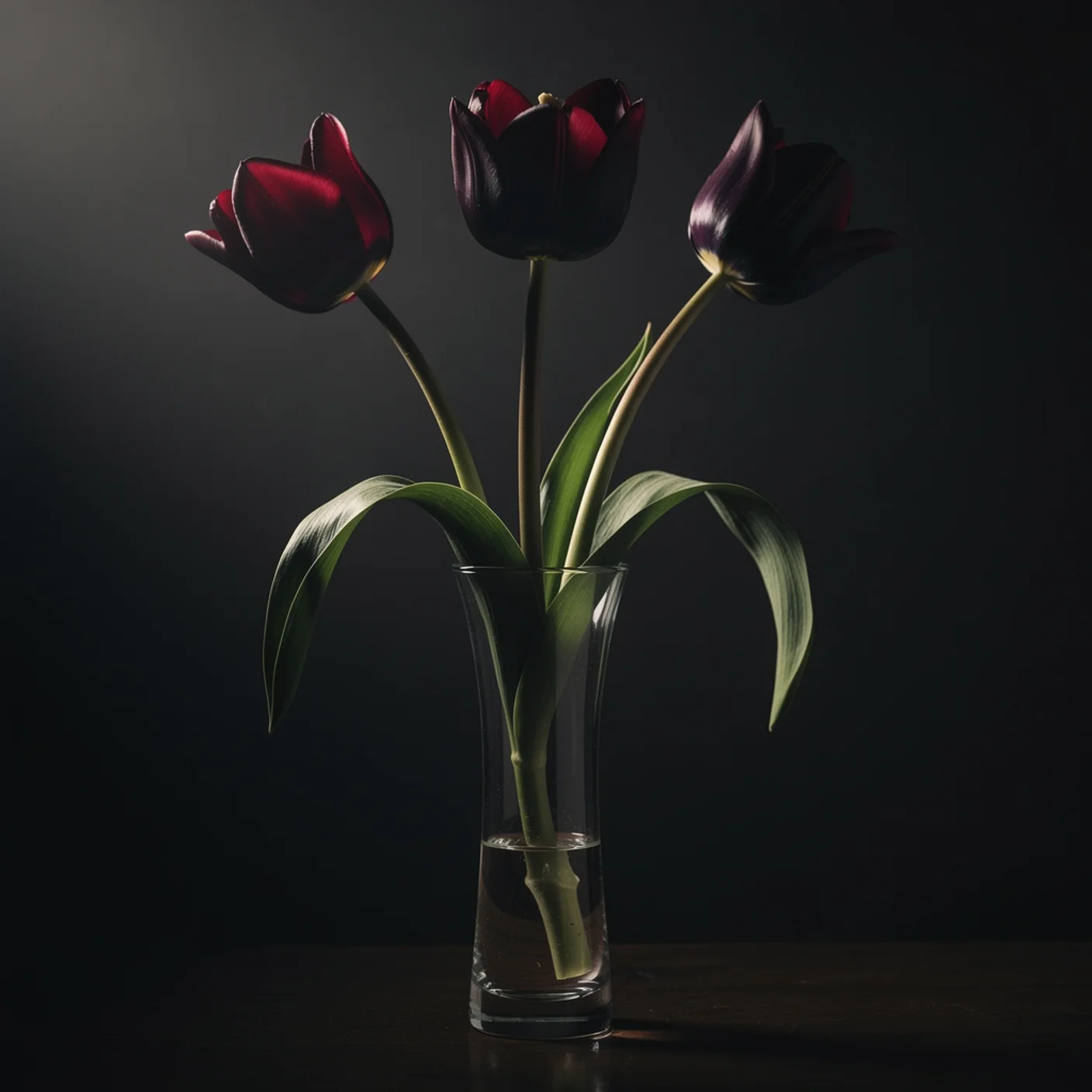
The De Caen mix is the single-flowered type, and the colour range is genuinely thrilling. Jewel-bright red, that particular shade of violet-blue that vibrates against white, hot magenta, pure white with a dark centre that looks like someone inked it. They're bold without being shouty.
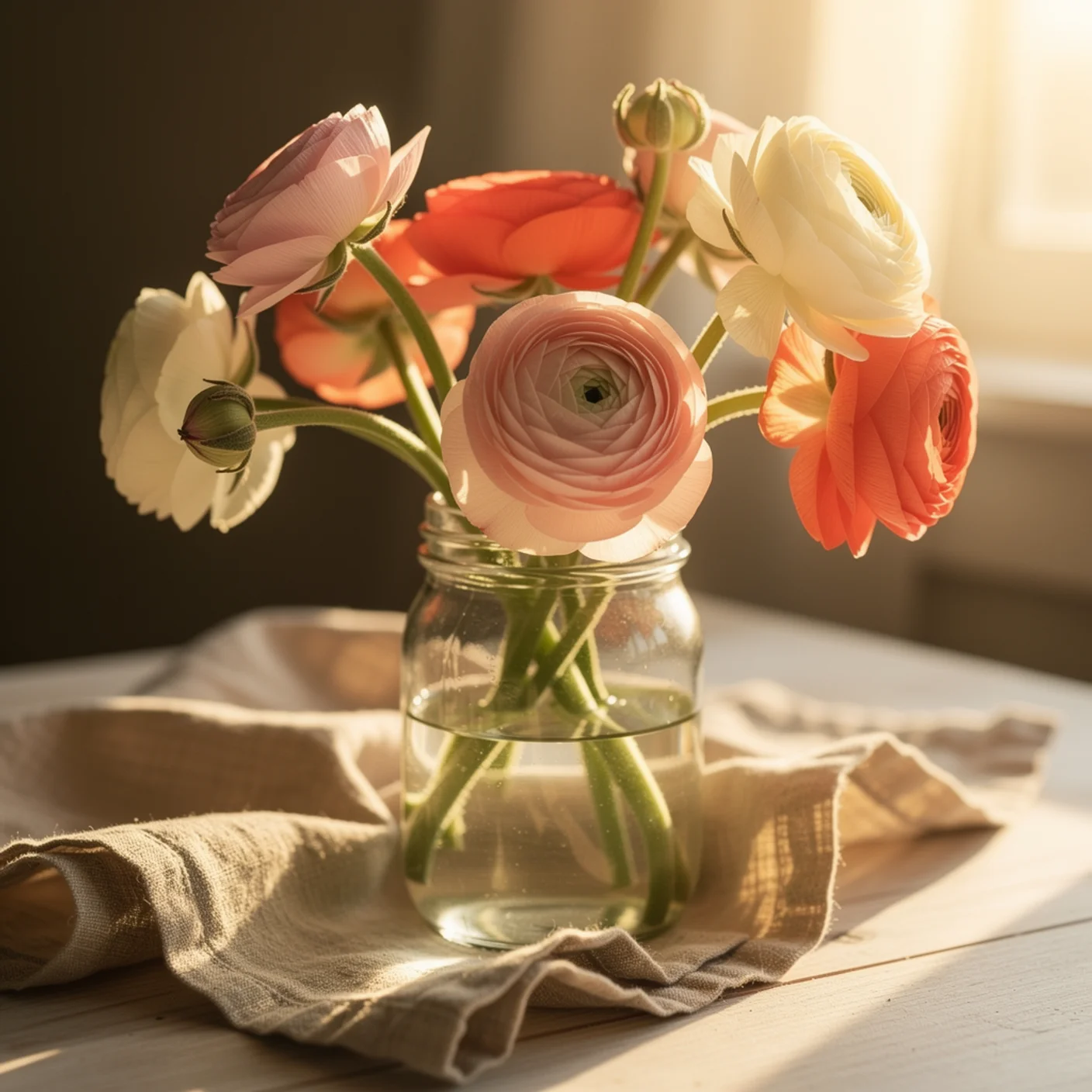
I associate them with early spring — March and April mainly — and they're one of the first flowers that makes the house feel properly alive again after winter. A bunch of mixed anemones in a glass jar with the afternoon light behind them is one of the most beautiful still lifes you can accidentally create.
The poppy-like petals are tissue-thin and they catch the light in this translucent way that makes me want to photograph them every single time. I have approximately four hundred nearly-identical anemone photos on my phone. I regret nothing.
Vase life is decent — five to seven days — and they do that lovely thing of closing at night and opening again in the morning. They're responsive, almost animate. I find it oddly comforting, like they're keeping time with the day.
They're also brilliantly affordable, which makes them one of the best value bunches you can buy in spring.
Where to Buy
If you want to try anemone for yourself, here's where I'd point you:
We may earn a small commission from purchases made through our links, at no extra cost to you.
✿ From the folklore cabinet
The name comes from the Greek 'anemos' meaning wind — the windflower. In Greek mythology, anemones sprang from the tears of Aphrodite as she mourned Adonis. I think that's why they look slightly melancholy even when they're the brightest thing in the room.