Pineapple Lily
Eucomis bicolor
“The conversation-starter bulb. Pineapple-shaped flower spikes in green and purple that provoke disbelief and delight in equal measure. South-facing wall, good drainage, and prepare for questions.”
— ROSIE
Rosie's Take
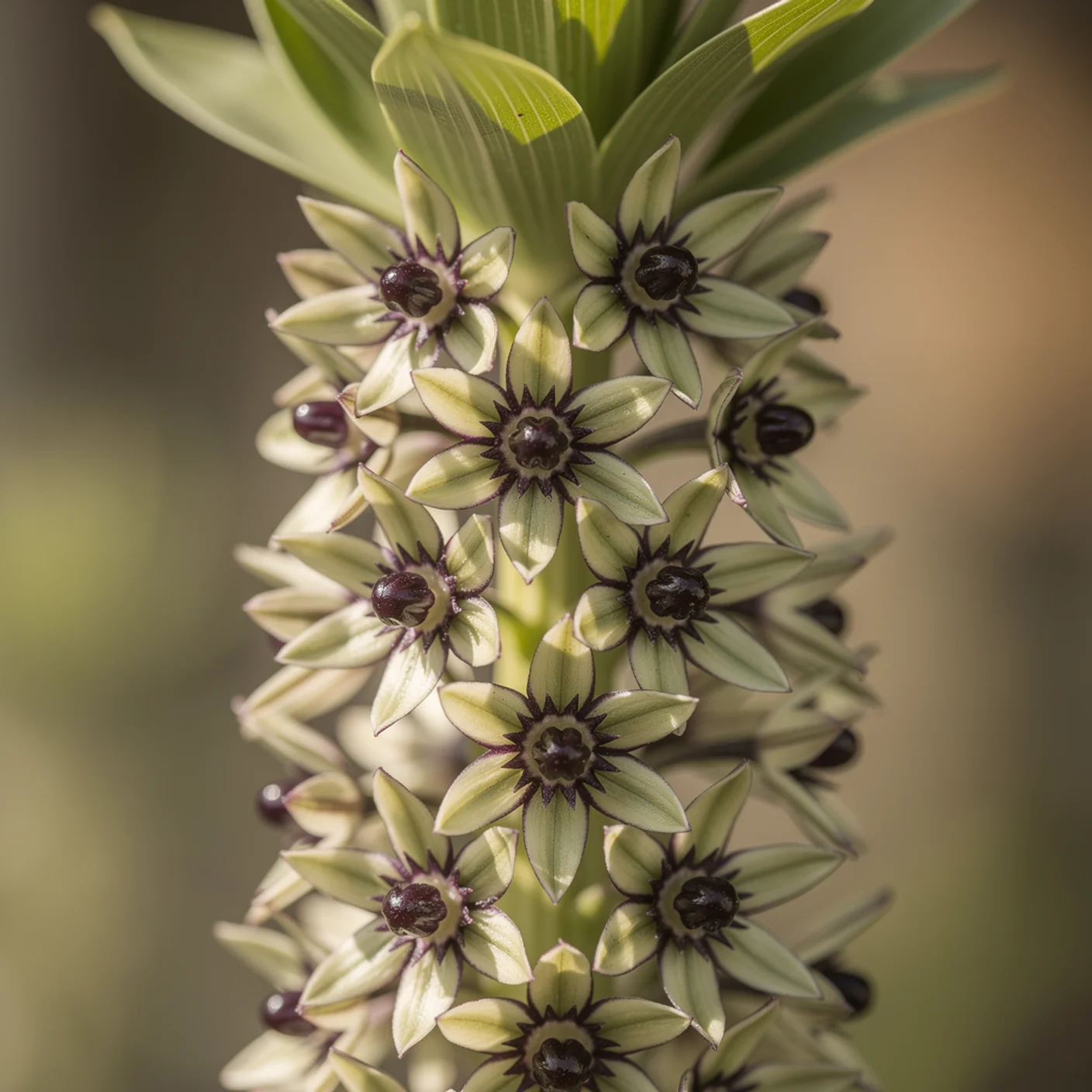
Eucomis bicolor is the plant that makes visitors say 'what on earth is that?' — which, for my money, is the best reaction any plant can provoke. The flower spike looks like a small, exotic pineapple: a dense column of starry, pale green flowers edged with purple, topped by a tuft of leaf-like bracts that gives it the pineapple silhouette. It's unmistakable, slightly absurd, and completely charming.
The flowers are individually small but densely packed — dozens of tiny, starry, green-and-purple blooms spiralling up a stout stem about eighteen inches tall. The overall effect is sculptural and architectural, more like a piece of design than a garden flower. Each flower has a prominent, dark-purple ovary at its centre, which gives the spike a dotted, spotted quality that's unusual and appealing.
It's a South African bulb, which means it wants summer warmth and winter dryness. In mild parts of Britain — the south coast, sheltered urban gardens — it's surprisingly hardy, surviving most winters in the ground with a thick mulch over the bulbs. In colder areas, grow it in a pot and bring it into a frost-free greenhouse or cold frame for winter. The fleshy, strap-shaped leaves emerge in late spring, the flower spikes in late July or August, and the whole display lasts well into autumn as the spent flowers develop into seed capsules that are almost as decorative as the flowers themselves.
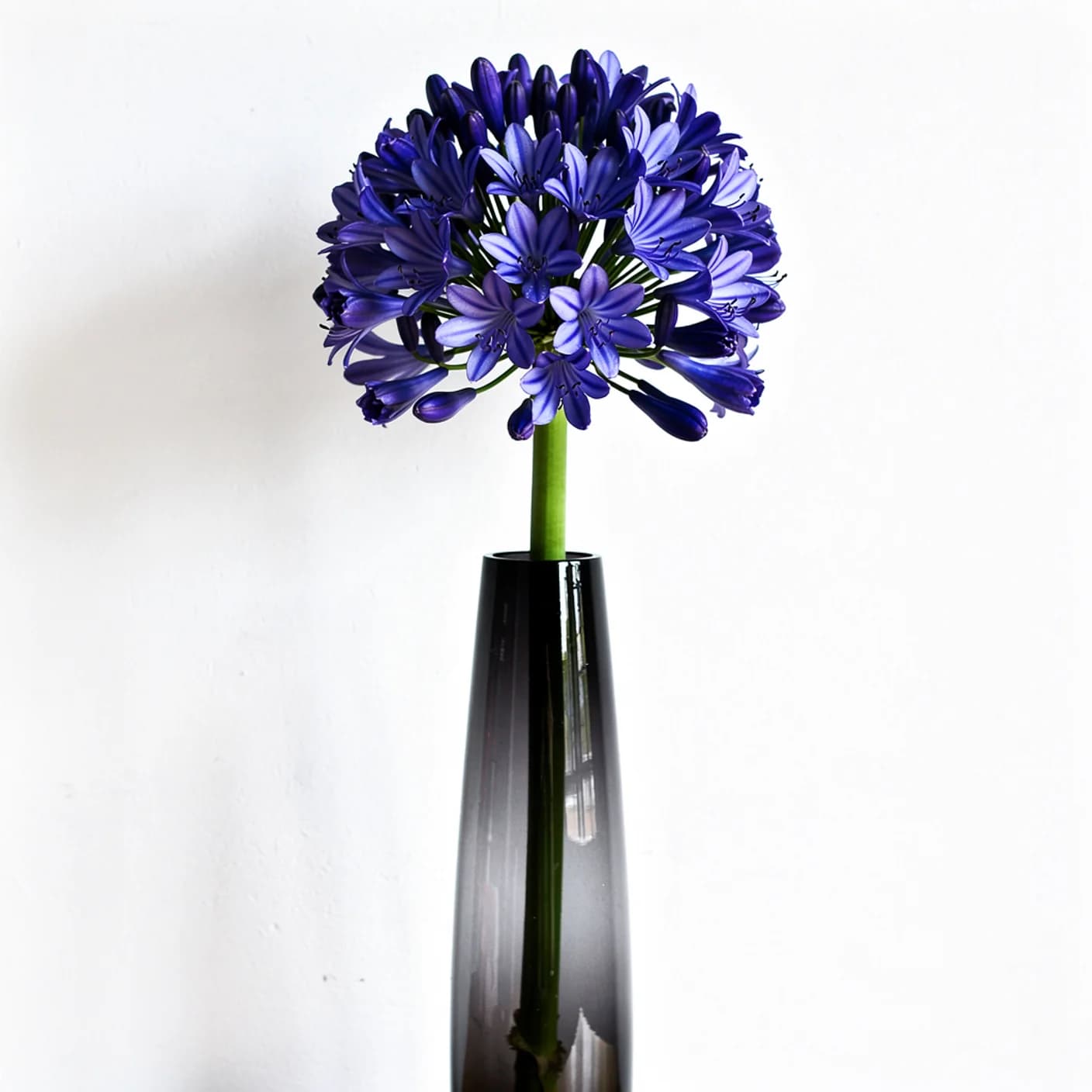
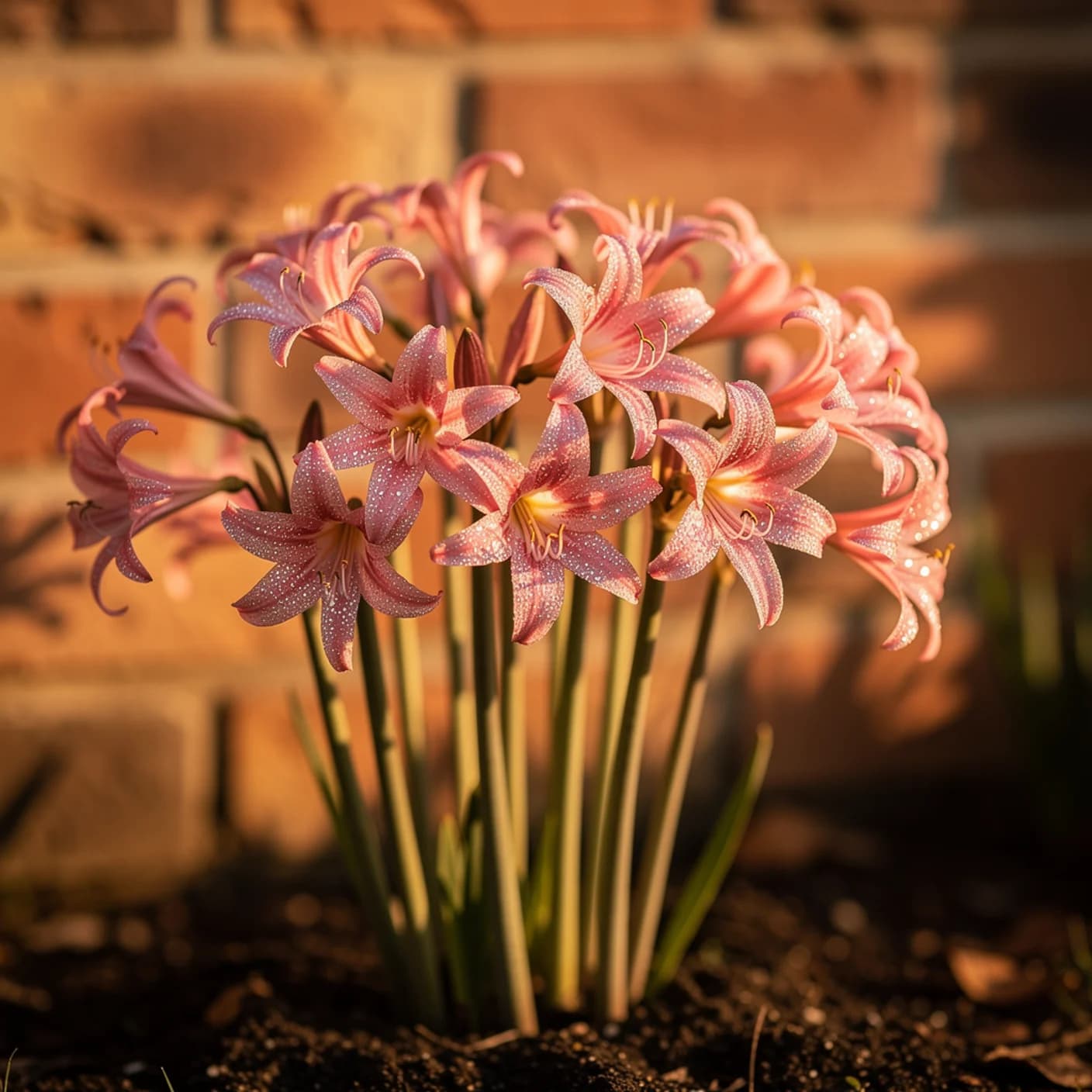
I grow mine in a terracotta pot at the base of a south-facing wall, grouped with agapanthus and nerines — a little colony of South African bulbs enjoying the warmest spot in the garden. When visitors spot the pineapple flower spikes, the conversation always starts the same way: 'Is that real?' It always is. Nature is stranger than any design.
Where to Buy
If you want to try pineapple lily for yourself, here's where I'd point you:
Also available as seeds — Eucomis hybrids Mixed - Seeds →
We may earn a small commission from purchases made through our links, at no extra cost to you.
✿ From the folklore cabinet
Eucomis means 'beautiful hair' in Greek, referring to the tuft of bracts that crowns each flower spike like a leafy topknot. The genus is native to southern Africa, where it grows in grassland and along stream-sides. 'Bicolor' refers to the two-tone green-and-purple colouring of the flowers. In southern Africa, eucomis bulbs have a long history in traditional medicine — they're used by Zulu healers to treat a range of ailments, and the plants are known as 'umathunga' in isiZulu. Several species are now conservation concerns in the wild due to over-collection for medicinal use. In British gardens, eucomis has moved from specialist oddity to mainstream desirable in the last twenty years, helped by a run of mild winters that proved it hardier than anyone expected.