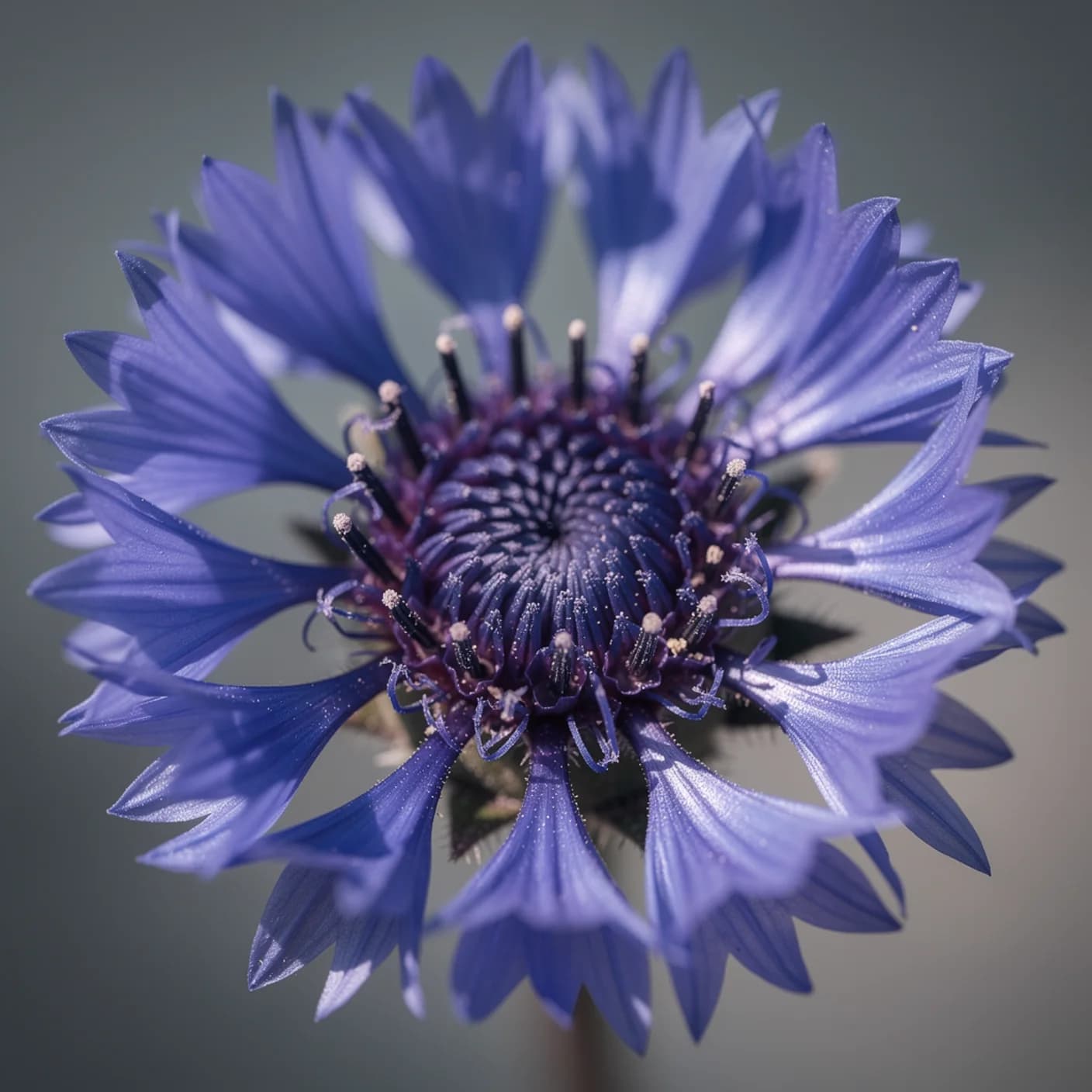
Cornflower
Centaurea cyanus
“Scatter seed on poor soil and do nothing. The most intense blue you'll grow, and the backbone of every summer bunch worth making.”
— ROSIE
Rosie's Take
There's a blue that cornflowers own. Not sky blue, not navy, not electric — something richer and more complex than any of those. A saturated, almost ultramarine blue with the slightest violet undertone that makes it glow against green like a stained-glass window lit from behind. I've tried to photograph this colour accurately and I've never once succeeded. You have to see it in real life.
They were once so common in British cornfields that their name was the colour — cornflower blue. Then modern farming nearly wiped them out. Finding a wild one now is rare enough to make your heart jump. I grow mine from seed every year as a small act of resistance.
They're ridiculously easy. Scatter seed in autumn or spring on any patch of poor, well-drained soil and stand back. They don't want fuss, they don't want feeding, they just want to grow and flower and set seed and do it all again. The poorer the soil, the better they perform. There's a life lesson in there somewhere.
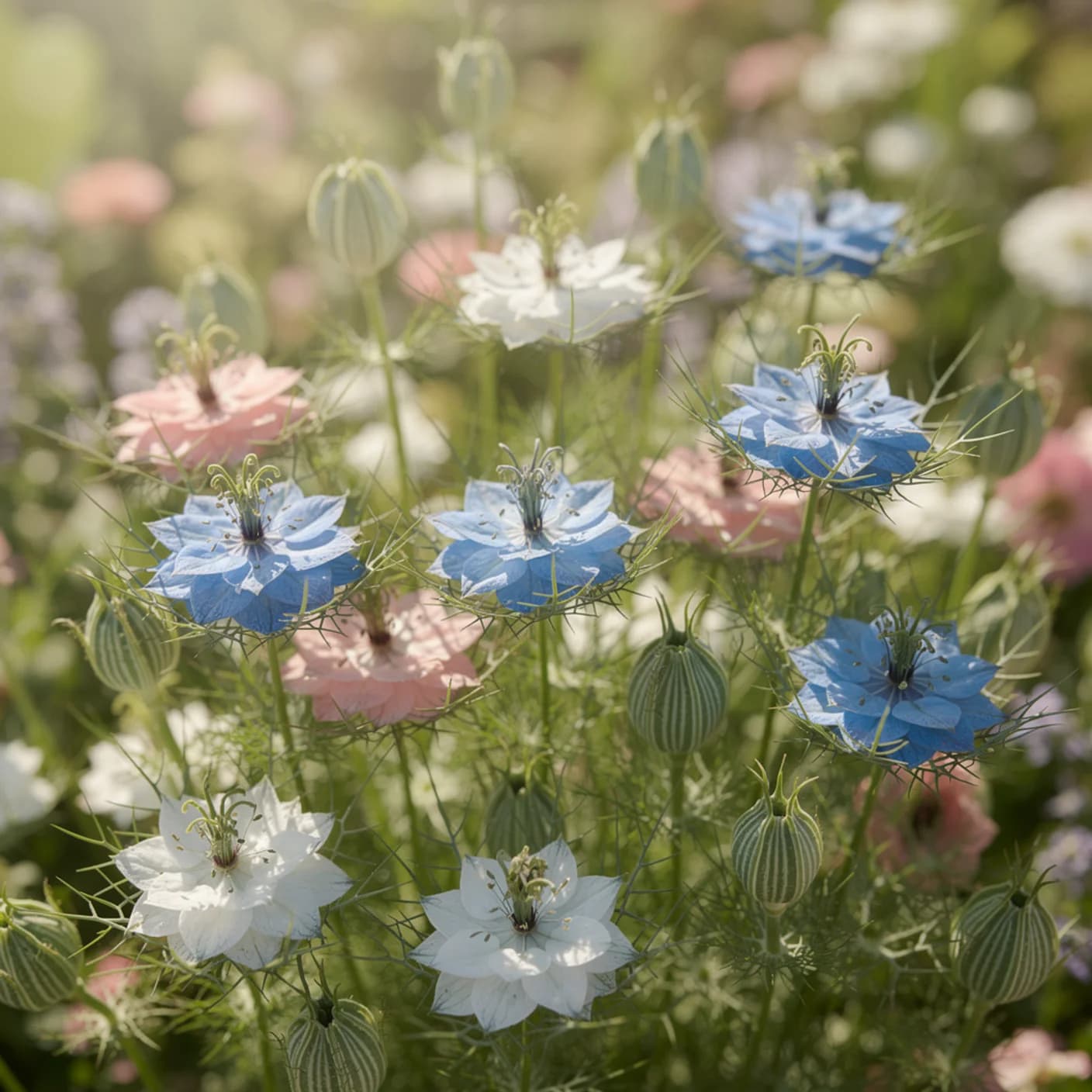
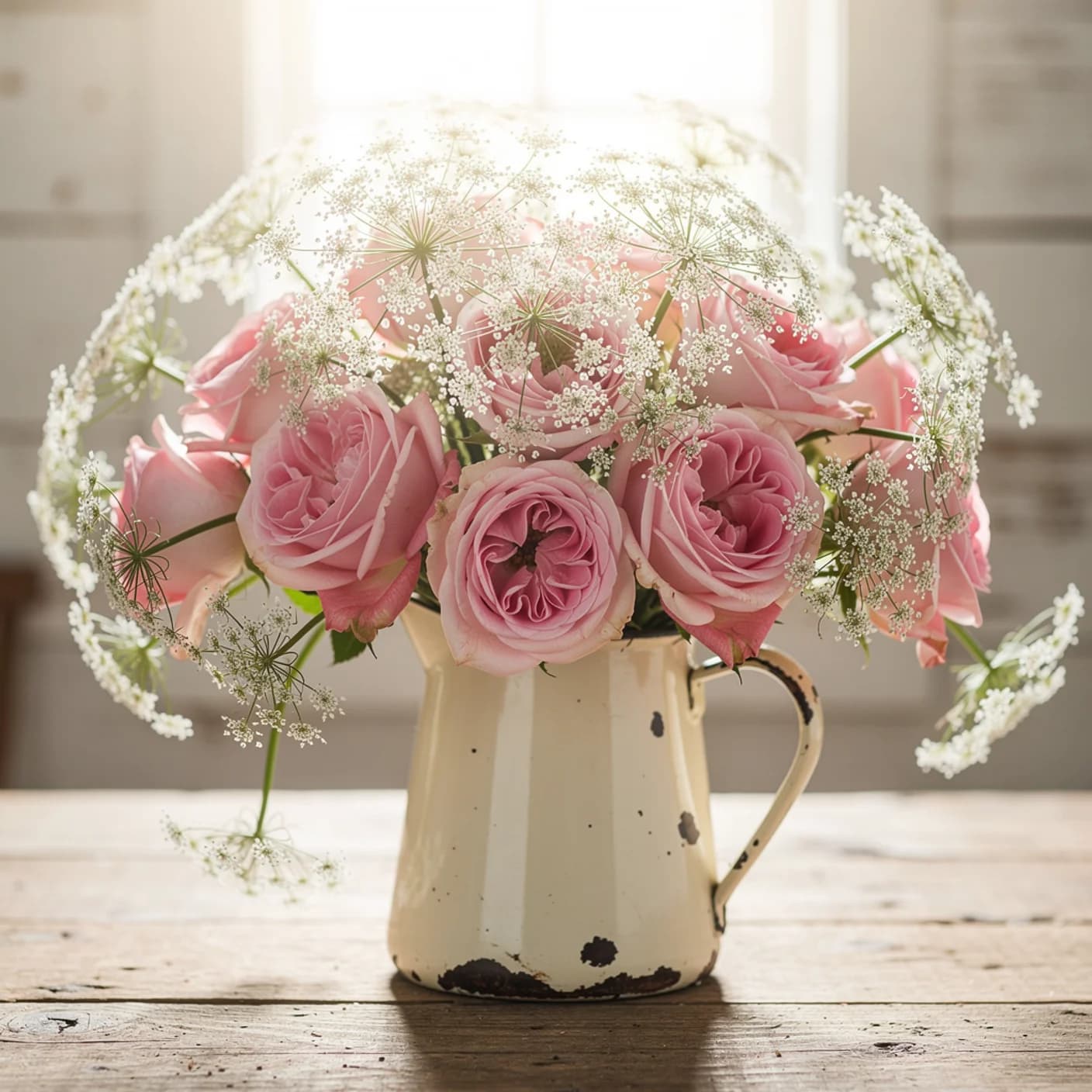
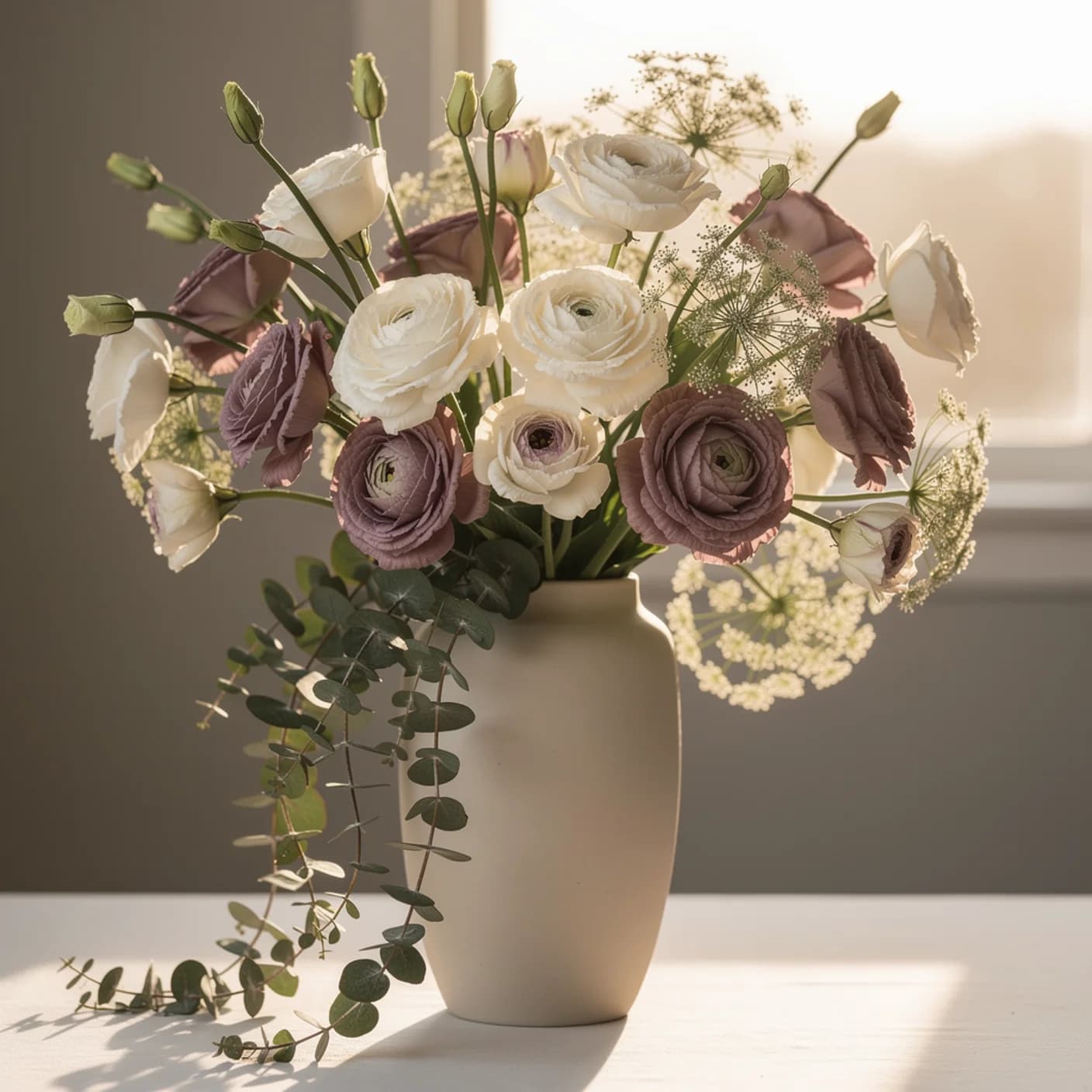
I grow them in my cutting patch alongside ammi and nigella, and the three together are the backbone of every summer bunch I make. Cornflowers bring the colour, ammi brings the lace, nigella brings the texture. It's a combination that looks like you spent an hour arranging when actually you just grabbed a handful of each.
They don't last hugely long in a vase — four or five days — but they're so easy to grow and so generous with their flowers that it doesn't matter. There are always more. The dried flowers keep their colour brilliantly too, which is unusual for such an intense blue.
Where to Buy
If you want to try cornflower for yourself, here's where I'd point you:
We may earn a small commission from purchases made through our links, at no extra cost to you.
✿ From the folklore cabinet
In folklore, cornflowers were worn by young men in love — if the flower faded quickly, the love was unrequited. In Germany, they became a symbol of remembrance after Queen Louise of Prussia hid her children in a cornfield and kept them quiet by weaving cornflower wreaths. I like the love test better. I imagine quite a few nervous young men staring anxiously at wilting petals.