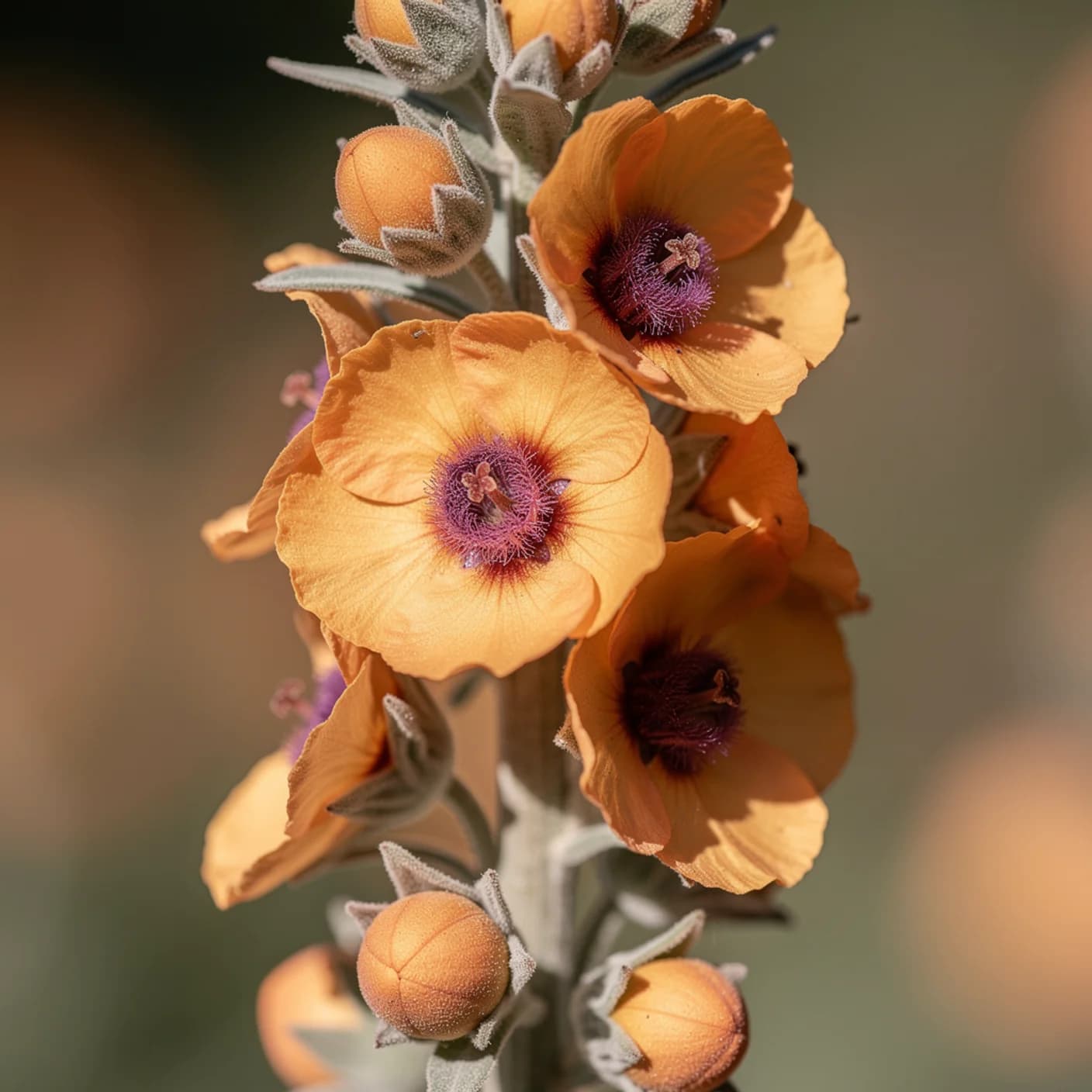
Verbascum
Clementine
“The garden's exclamation mark. 'Clementine' is architecture and warmth in one tall, self-seeding, bee-covered spike.”
— ROSIE
Rosie's Take
Verbascums are the garden's exclamation marks. Those tall, straight spires rising from a low rosette of felted leaves — they punctuate a border the way a church spire punctuates a skyline. You need them for the architecture, even if you don't know you need them until you see what they do.
'Clementine' is the variety that made me properly fall for them. The colour is a warm, dusty apricot-orange — not peach, not salmon, but something between terracotta and the inside of a nectarine. It's an unusual colour in the flower world, and it glows in the late afternoon light with a warmth that makes everything around it look better. Against blue — delphiniums, geraniums, salvias — it's electric.
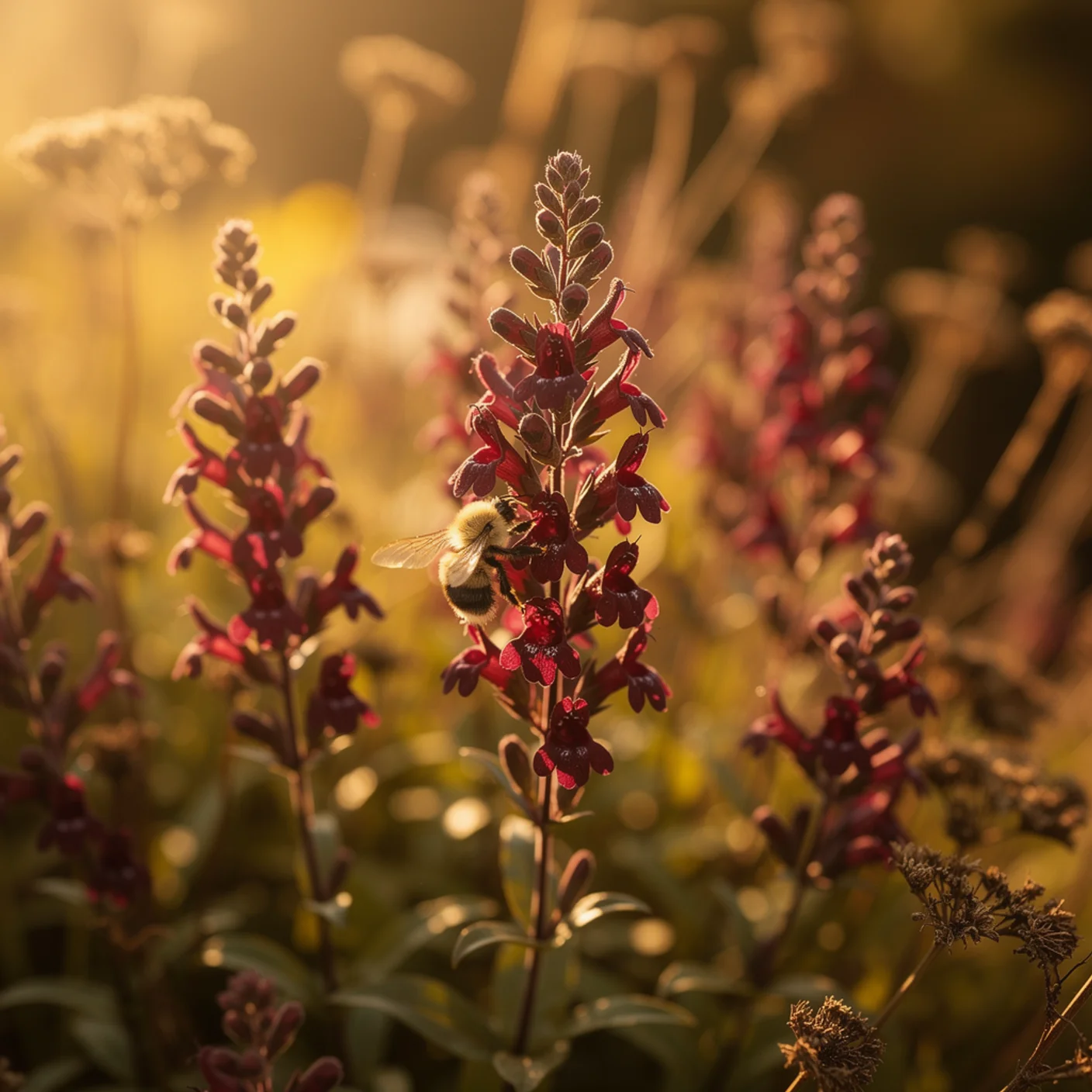
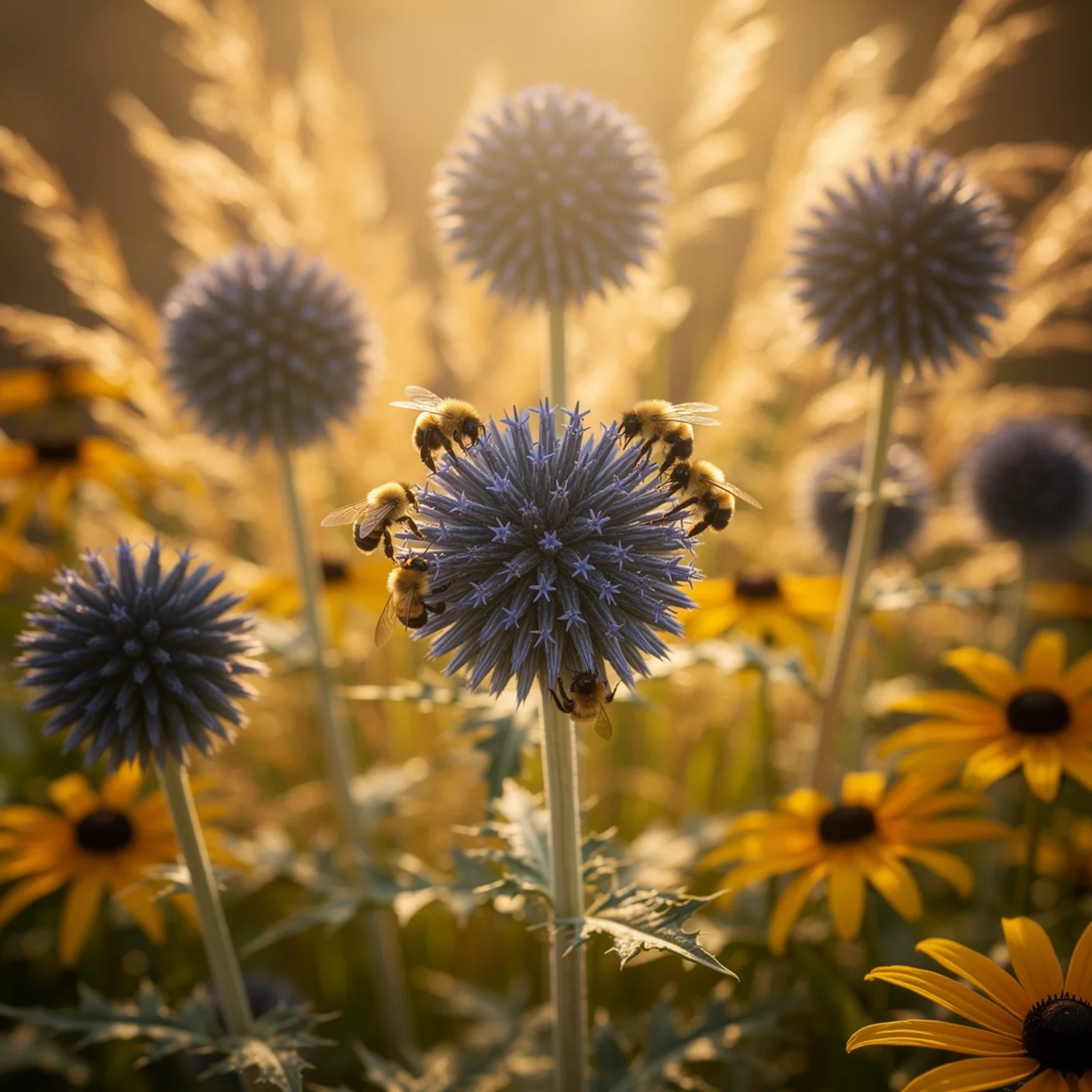
The flowers open in sequence up the spike, bottom to top, each one a round, open-faced bloom with a fuzzy purple centre. They attract bees obsessively — the furry stamens and that purple eye are apparently irresistible. Watching a bumblebee work its way up a verbascum spike, flower by flower, is one of those meditative garden pleasures that makes you forget you were supposed to be weeding.
They're short-lived perennials, which means they burn bright and burn out — two or three years, sometimes less. But they self-seed freely, and the seedlings often pop up in unexpected places, which is part of their charm. A verbascum appearing through gravel or at the base of a wall has a spontaneous, accidental beauty that no amount of careful planting can replicate.
Where to Buy
If you want to try verbascum for yourself, here's where I'd point you:
Also available as seeds — Verbascum x hybrida 'Snow Maiden' - Seeds →
We may earn a small commission from purchases made through our links, at no extra cost to you.
✿ From the folklore cabinet
Verbascum comes from the Latin 'barbascum,' meaning 'bearded' — a reference to the densely hairy leaves and stems. The common name for the wild species is mullein, and it has a spectacular range of folk uses: the felted leaves were used as lamp wicks, the dried flower spikes were dipped in tallow to make torches (hence another common name, 'hag's taper'), and the leaves were reportedly stuffed into shoes as insulation by Roman soldiers. A versatile plant that's been useful since long before anyone thought to breed it in apricot.