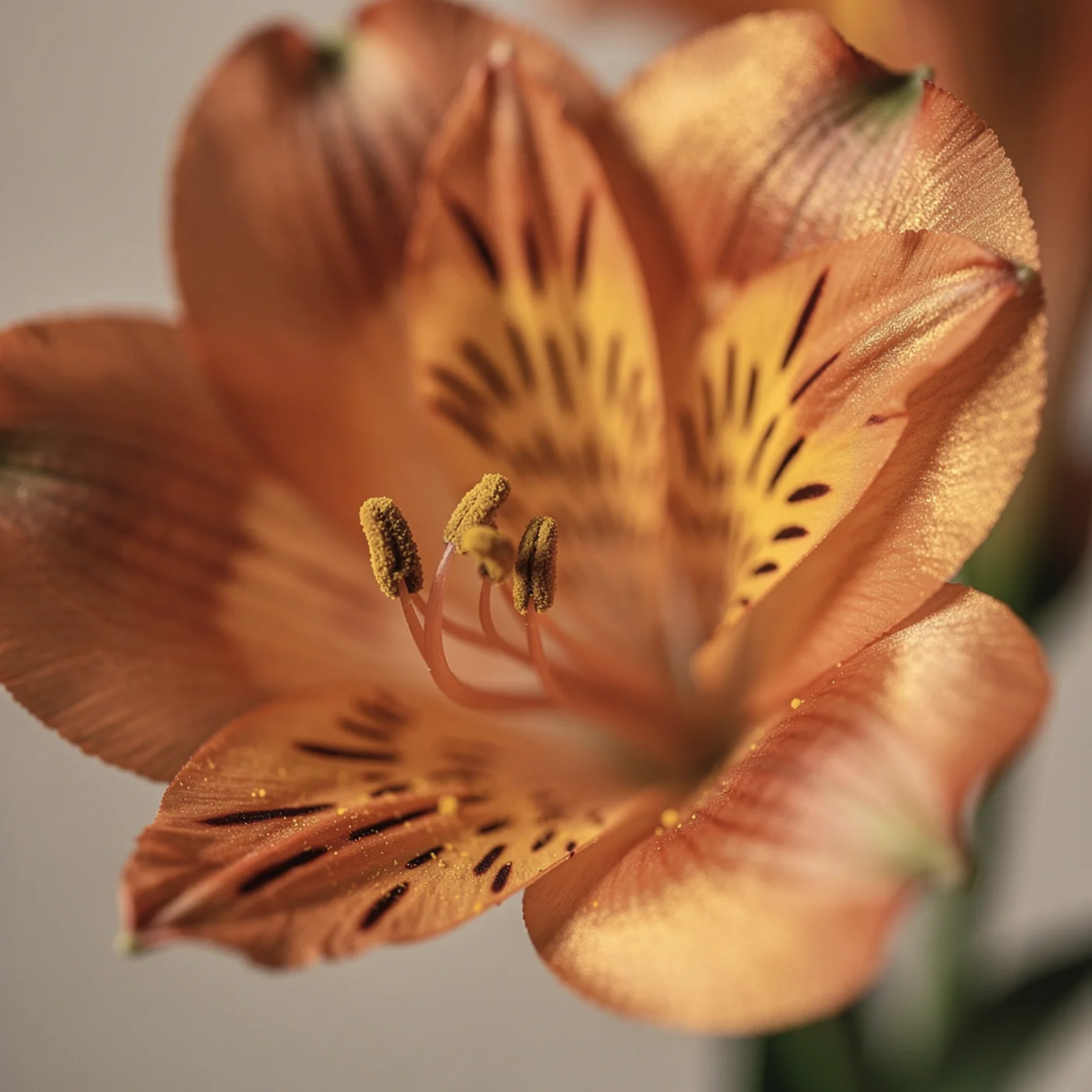
Alstroemeria
Indian Summer
“The most underrated flower in the supermarket bucket. 'Indian Summer' brings warm copper tones, extraordinary vase life, and genuine value.”
— ROSIE
Rosie's Take
Alstroemeria is the unsung hero of the flower world. It turns up in almost every supermarket bunch, it lasts for ages in the vase, and most people walk straight past it without a second thought. I think it deserves much better than that.
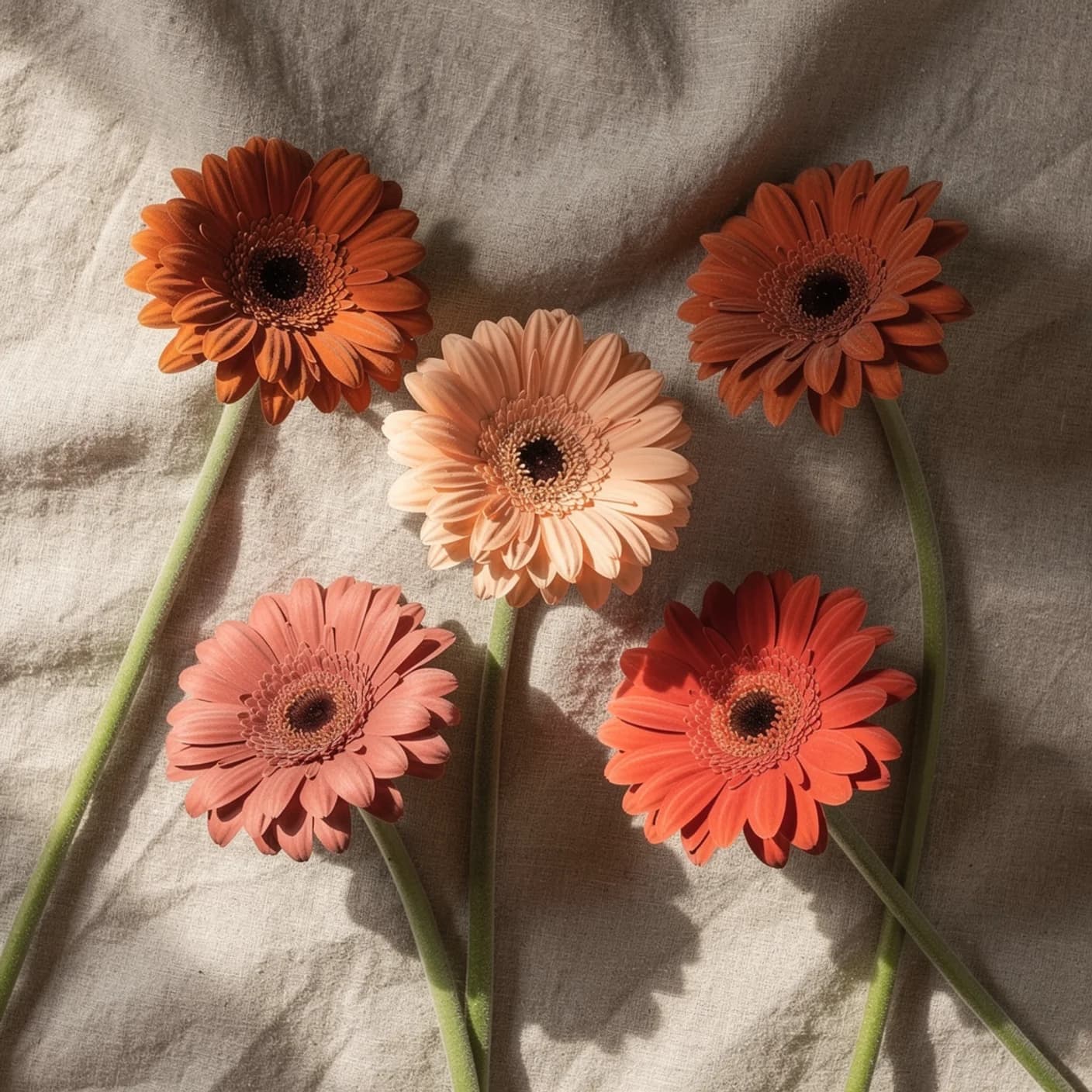
'Indian Summer' is a particularly lovely variety — warm, burnished tones of copper, orange, and soft gold with those characteristic dark freckled markings on the upper petals that look like someone flicked a brush of dark paint across them. The colours are autumnal even though it flowers through summer, which gives it a richness that cooler-toned varieties lack.
The longevity is the thing that always impresses me. Cut alstroemeria will easily last two weeks in a vase, sometimes pushing three if you keep the water fresh. For something that costs a few pounds from the supermarket, that's an extraordinary return. I don't know another cut flower that gives you as many days of colour per penny.
I know some people find them a bit stiff — those upright stems and the slightly formal way the flowers arrange themselves can feel less relaxed than, say, a bunch of sweet peas. But mix them with something looser — some trailing greenery, a few sprigs of dill or fennel flower — and they soften beautifully. Sometimes the most reliable flowers just need the right company.
Where to Buy
If you want to try alstroemeria for yourself, here's where I'd point you:
We may earn a small commission from purchases made through our links, at no extra cost to you.
✿ From the folklore cabinet
Alstroemeria is named after the Swedish baron Clas Alströmer, a student of Linnaeus who brought seeds back from South America in the eighteenth century. In the language of flowers, it represents friendship and devotion — which feels appropriate for a flower that quietly keeps going in the background, week after week, without demanding attention.