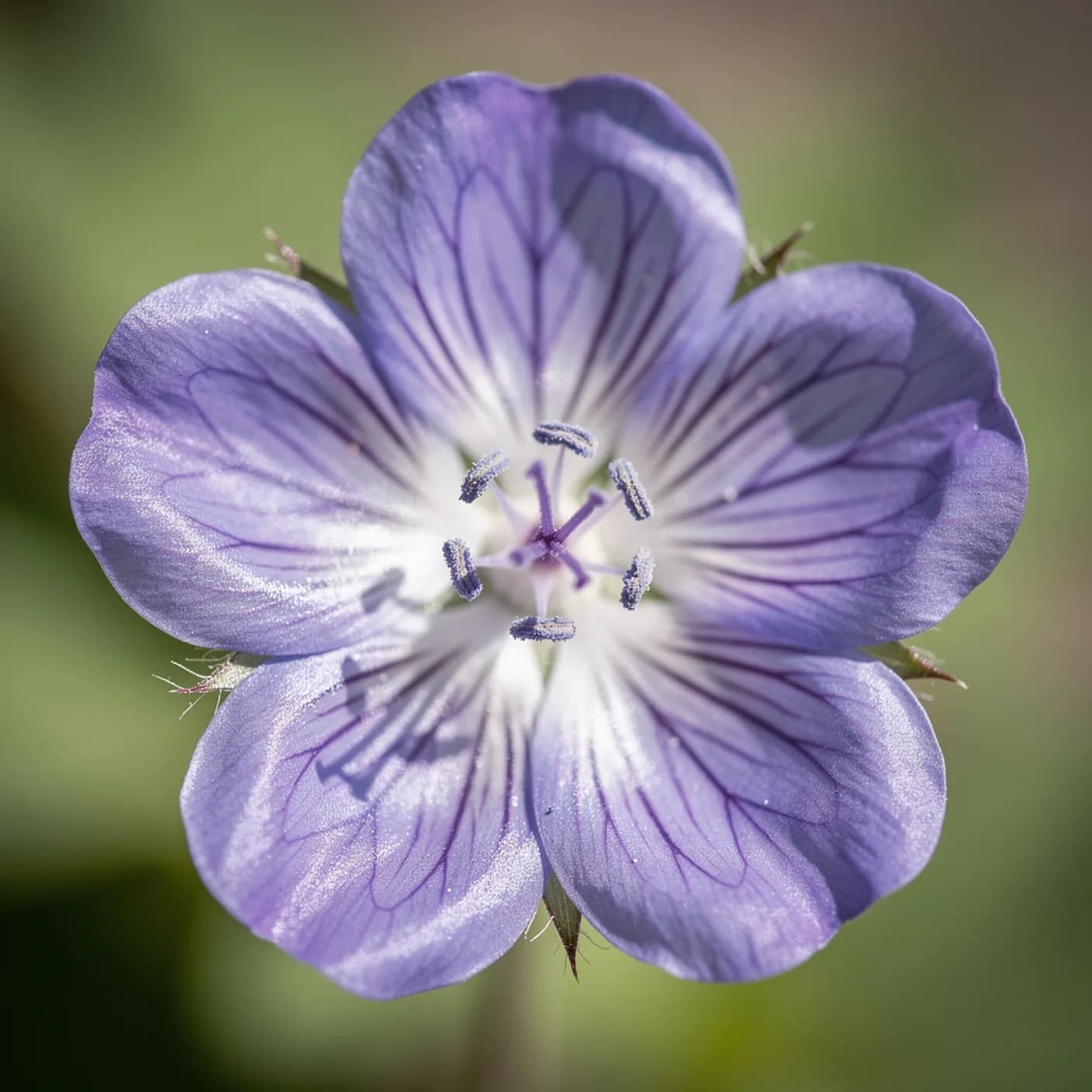
Hardy Geranium
Rozanne
“RHS Plant of the Century, and I agree. 'Rozanne' gives you blue flowers from May to November and asks for almost nothing in return.”
— ROSIE
Rosie's Take
If I could only grow one plant — one single plant for the rest of my gardening life — it might be Geranium 'Rozanne'. That's a bold claim for a flower that most non-gardeners would walk straight past, but the RHS named it Plant of the Century and I think they got it right.
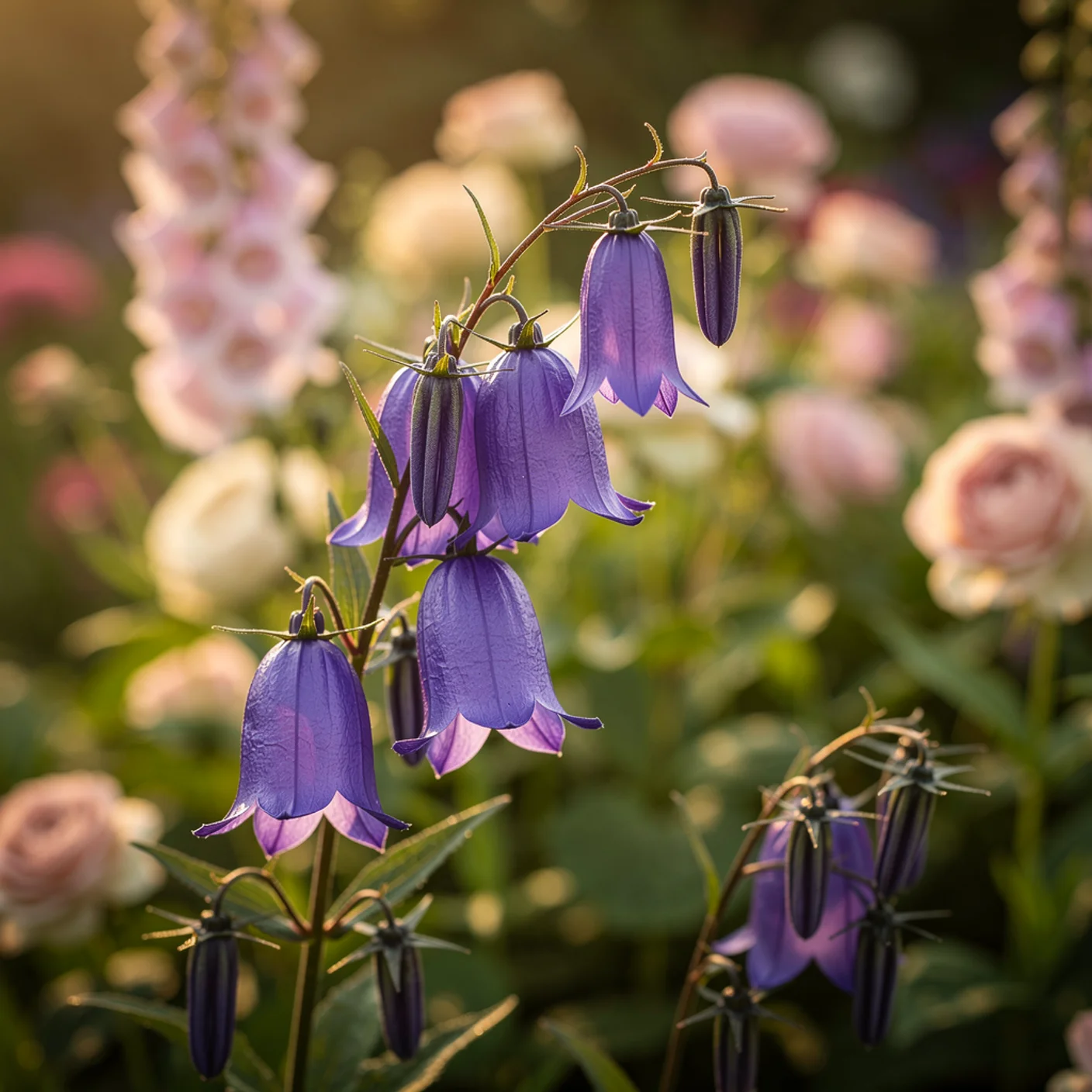
The flowers are a clear, violet-blue with a white centre and delicate purple veining that radiates outward like the finest pen-and-ink drawing. They're not large — perhaps two inches across — but the plant produces them in such relentless abundance, from May right through to November in a good year, that the cumulative effect is extraordinary. Six months of continuous blue. Nothing else in the garden comes close.
What I love most is the way it weaves through other plants. 'Rozanne' is a scrambler — it sends long, lax stems outward that thread through rose bushes, over path edges, between shrubs. It fills every gap, softens every hard line, and ties a whole border together. The effect is completely natural, as though it chose to grow exactly there.
It was discovered by chance in a garden in Somerset — a seedling that appeared between two other geranium species and turned out to be something special. The owners, Donald and Rozanne Waterer, recognised it, and the plant was named for Rozanne after her death. There's something lovely about that — a plant that connects you to a real person, a real garden, a real moment of noticing something unexpected and knowing it mattered.
Where to Buy
If you want to try hardy geranium for yourself, here's where I'd point you:
We may earn a small commission from purchases made through our links, at no extra cost to you.
✿ From the folklore cabinet
Rozanne Waterer and her husband Donald discovered this geranium as a chance seedling in their Somerset garden in 1989. It's a natural hybrid between G. himalayense and G. wallichianum — a cross that had never been recorded before. After Rozanne's death, the plant was named in her memory and went on to become the most celebrated hardy plant of the twenty-first century. From one accidental seedling in one English garden to gardens all over the world — that's the kind of story I never tire of telling.