Salvia
Nemorosa 'Caradonna'
“The plant that makes everything around it look better. 'Caradonna' brings instant structure, bees love it, and it asks for almost nothing.”
— ROSIE
Rosie's Take
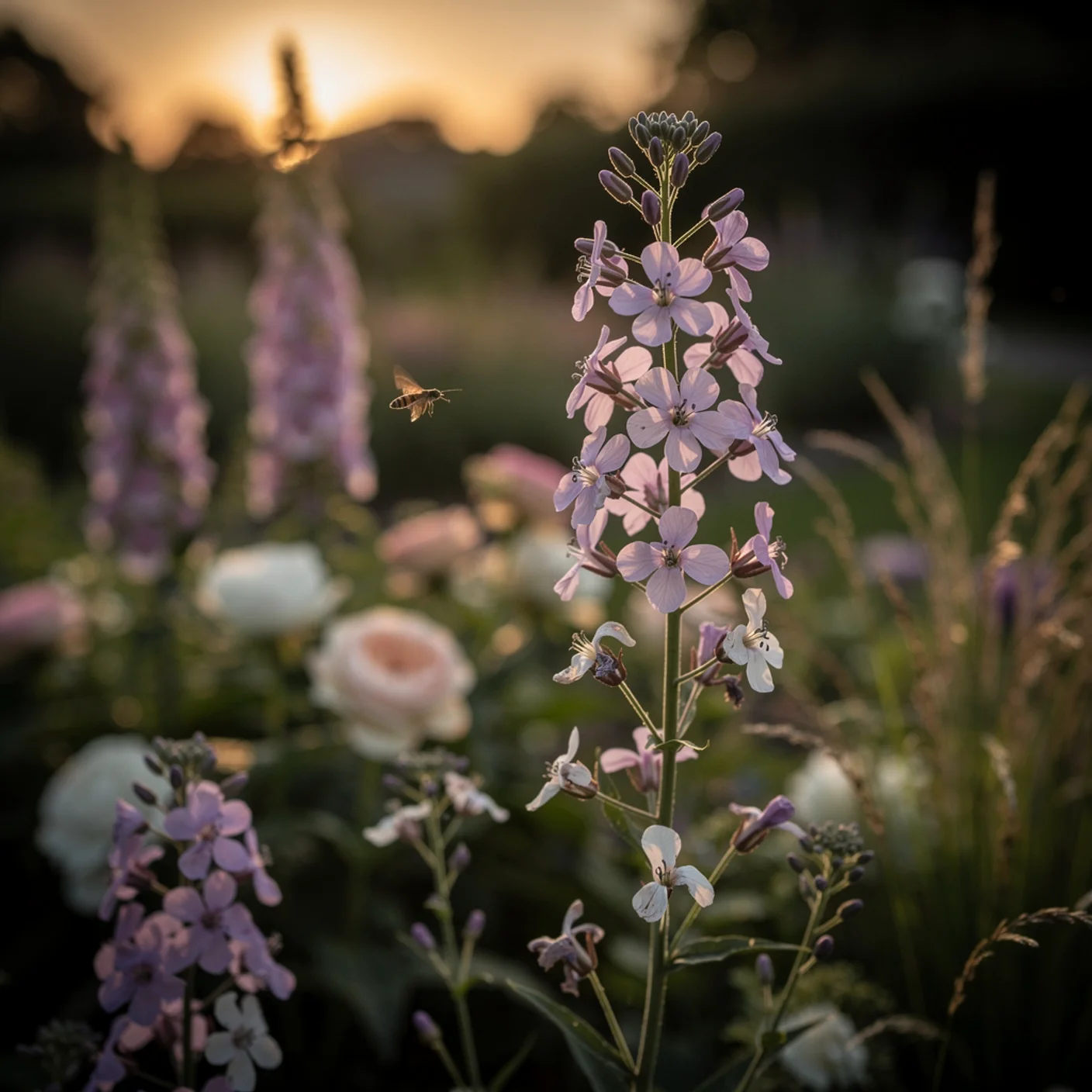
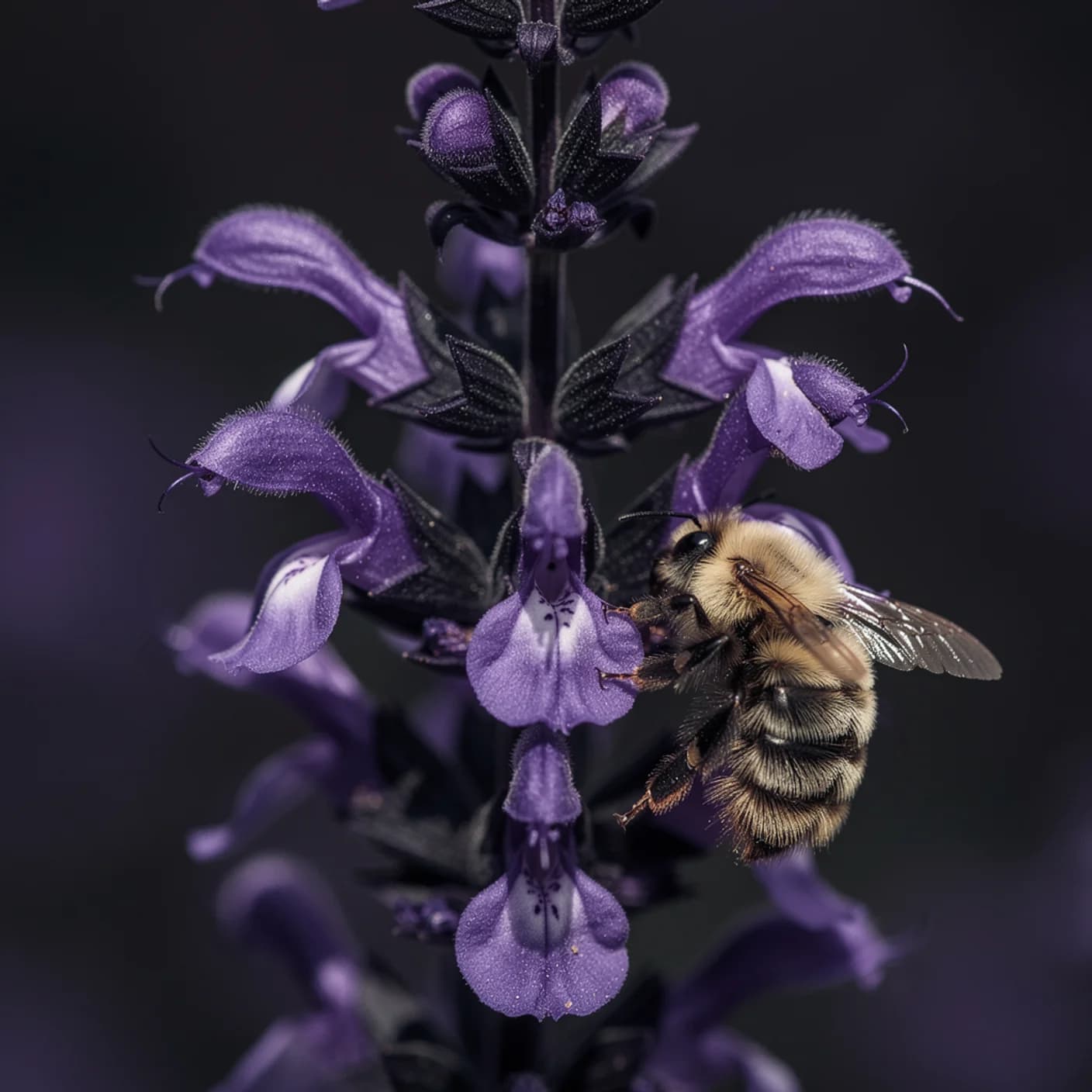
There are certain plants that make a garden look designed, even if you just shoved them in wherever there was space. Salvia 'Caradonna' is one of them. Those narrow, upright spikes of deep violet flowers on dark, almost black stems — they bring order and rhythm to any border. Plant five of them at regular intervals and suddenly the whole thing has structure. It's the easiest shortcut to a good garden I know.
The colour is superb. A true, saturated violet-purple that sits beautifully with almost anything — roses, grasses, achillea, the soft grey of lamb's ears. But it's the stems that set 'Caradonna' apart from other salvias. They're dark, nearly black, which gives the whole plant a graphic, almost drawn quality, like an illustration in a very good gardening book.
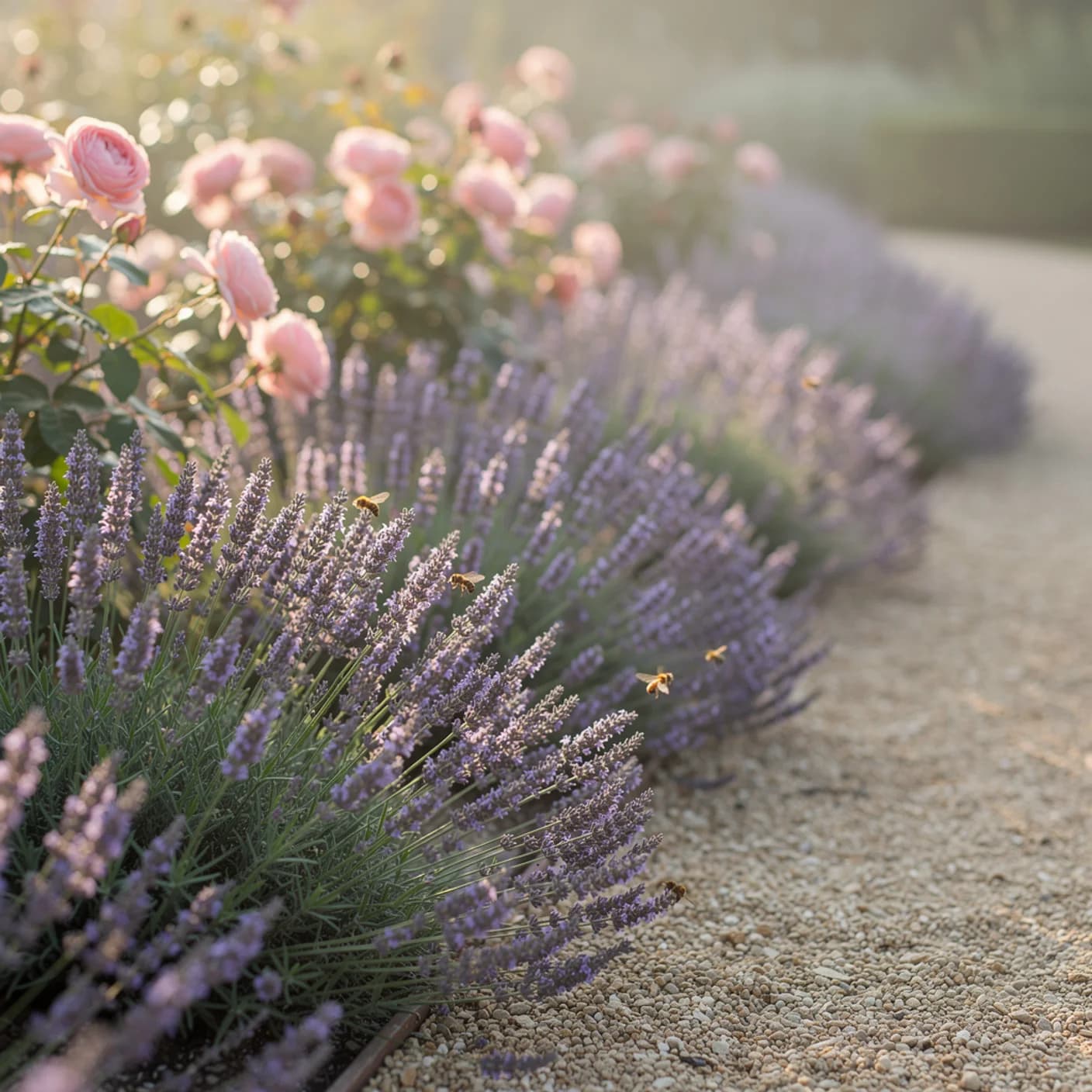
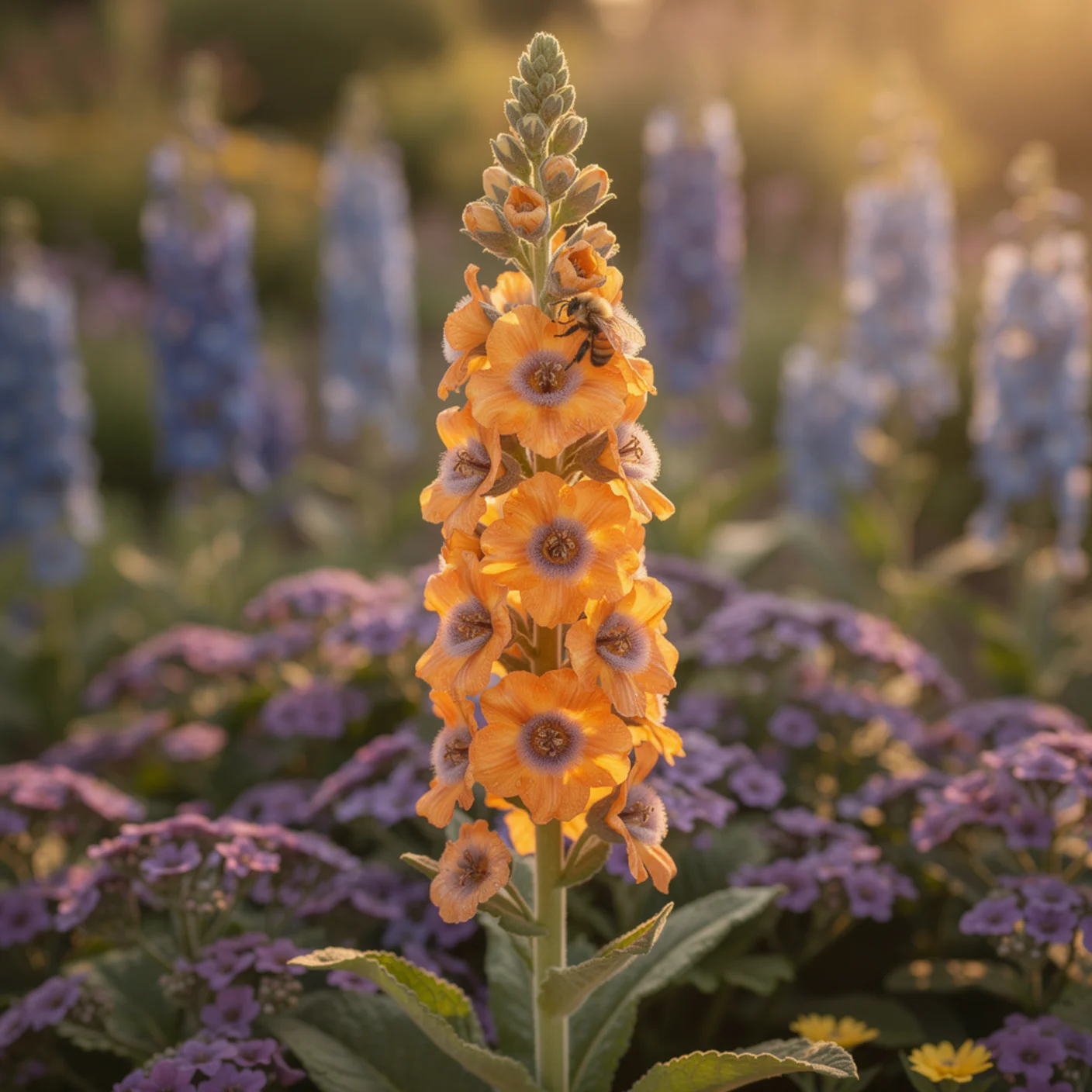
It flowers in June and July, and if you cut the spent spikes back promptly, you'll get a second flush in September. Bees work it ceaselessly — the tubular flowers are perfectly shaped for bumblebees, and on a warm day each spike has three or four bees moving up and down it simultaneously. That steady, methodical bee activity is one of my favourite things to watch in the garden.
It's a workhorse. It doesn't flop, doesn't need staking, doesn't spread aggressively, comes back reliably year after year, and looks good for months. For a plant that costs a few pounds from a garden centre, the return is extraordinary. I sometimes think gardening would be much simpler if everyone just planted 'Caradonna' and then figured out the rest around it.
Where to Buy
If you want to try salvia for yourself, here's where I'd point you:
We may earn a small commission from purchases made through our links, at no extra cost to you.
✿ From the folklore cabinet
Salvia comes from the Latin 'salvare,' meaning to save or heal — a reference to the medicinal properties of the broader sage family. Salvia nemorosa, the woodland sage, is native to central Europe and western Asia. 'Caradonna' was selected at the Zillmer nursery in Germany and has become one of the most widely planted perennials in modern garden design. The variety name may refer to Caradonna in Italy, though the exact origin is uncertain. What is certain is that it's become the default salvia for serious gardeners, and for good reason.