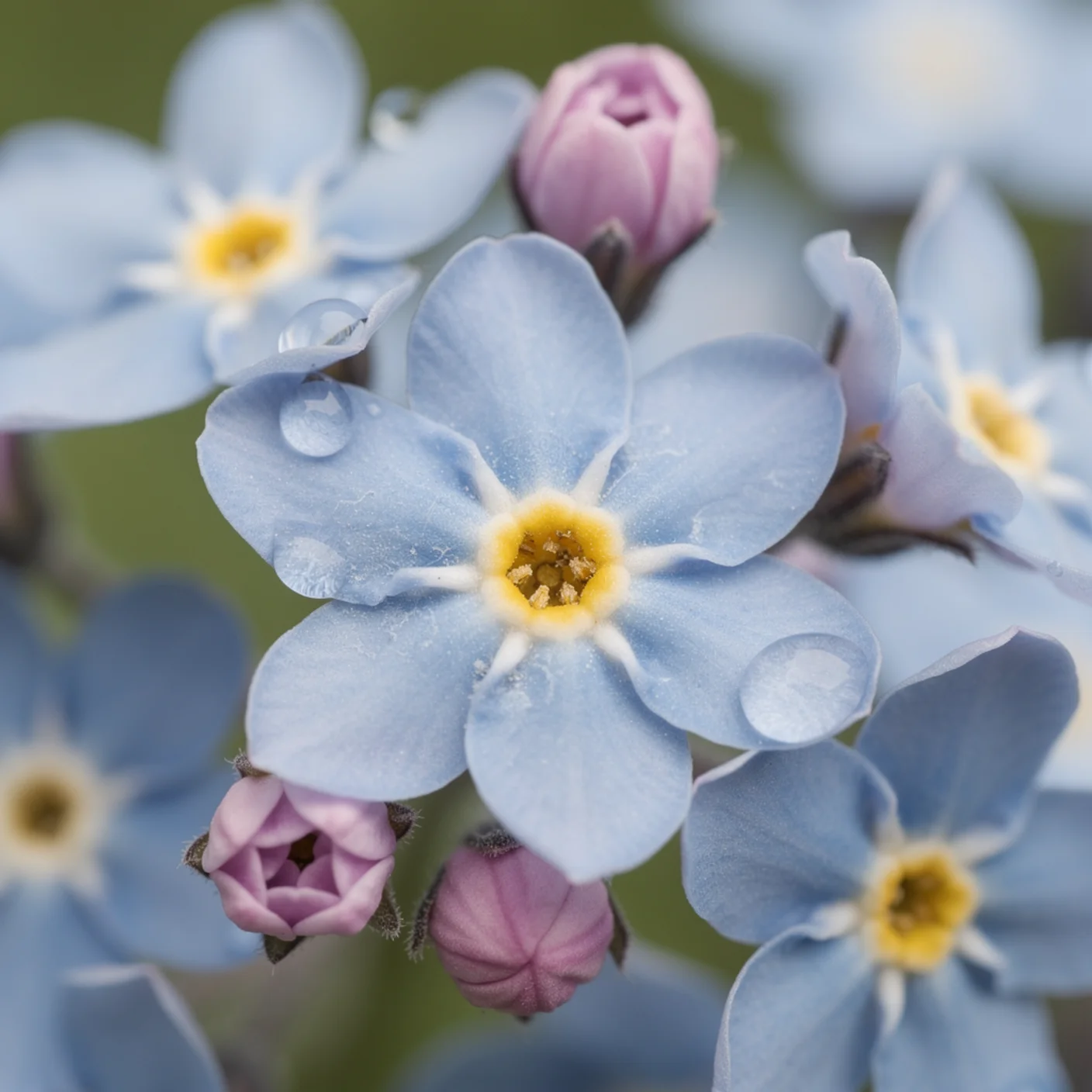
Forget-me-not
Myosotis sylvatica
“The most charming weed in any garden. Pick a handful, put them in a jam jar, and your windowsill becomes spring.”
— ROSIE
Rosie's Take
There is no blue in the garden quite like forget-me-not blue. It's not sky blue, not cornflower blue — it's something softer and more complicated, like the colour of distance itself. And when they appear in April, threading themselves through borders and under hedges in that particular haze, you'd think someone had spilled a piece of the sky onto the ground.
I never plant them deliberately. Nobody does, really. That's the beauty of Myosotis sylvatica — they plant themselves, year after year, finding the spots you wouldn't have thought of and making them better. Between the cracks in paving, at the base of old walls, mixed in with tulips where they become the most perfect understorey. They understand composition better than most garden designers.
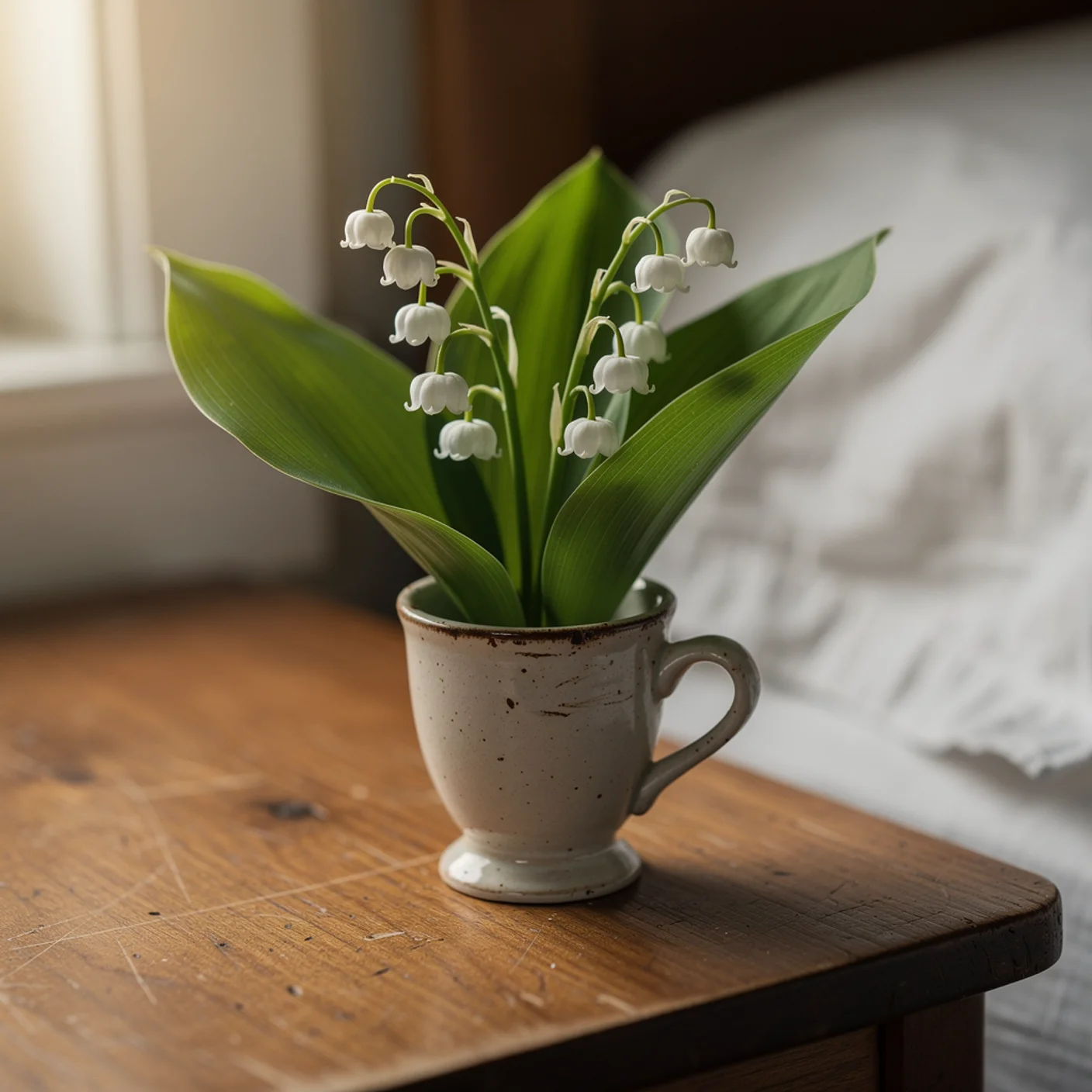
Pick them young, when the stems are still firm and the flowers are freshly opened. In a small jar on a windowsill — a jam jar, a teacup, an egg cup — they're one of the most charming things spring produces. They won't last long in water, maybe four or five days, but at that price, who's counting.
The scent is faint but real. You have to get close — practically nose-to-petal — but there's a soft, green sweetness there, like spring itself distilled into something almost imperceptible. I think the fact that you have to work for it makes it better. Some pleasures shouldn't be obvious.
Where to Buy
If you want to try forget-me-not for yourself, here's where I'd point you:
Also available as seeds — Myosotis sylvatica 'Blue Ball' - Seeds →
We may earn a small commission from purchases made through our links, at no extra cost to you.
✿ From the folklore cabinet
The name comes from a medieval German legend — a knight picking flowers for his beloved fell into a river and threw the posy to her, crying 'Vergiss mein nicht!' as the current took him. Rather dark for such a cheerful little flower. In the Victorian language of flowers, they meant exactly what they say: true love and remembrance. Henry IV of England adopted them as his emblem during exile, and they've been a symbol of loyalty ever since.