Camassia
Leichtlinii Caerulea
“Fills the gap between the last daffodils and the first summer flowers with elegant blue spires. Plant once, enjoy for decades.”
— ROSIE
Rosie's Take
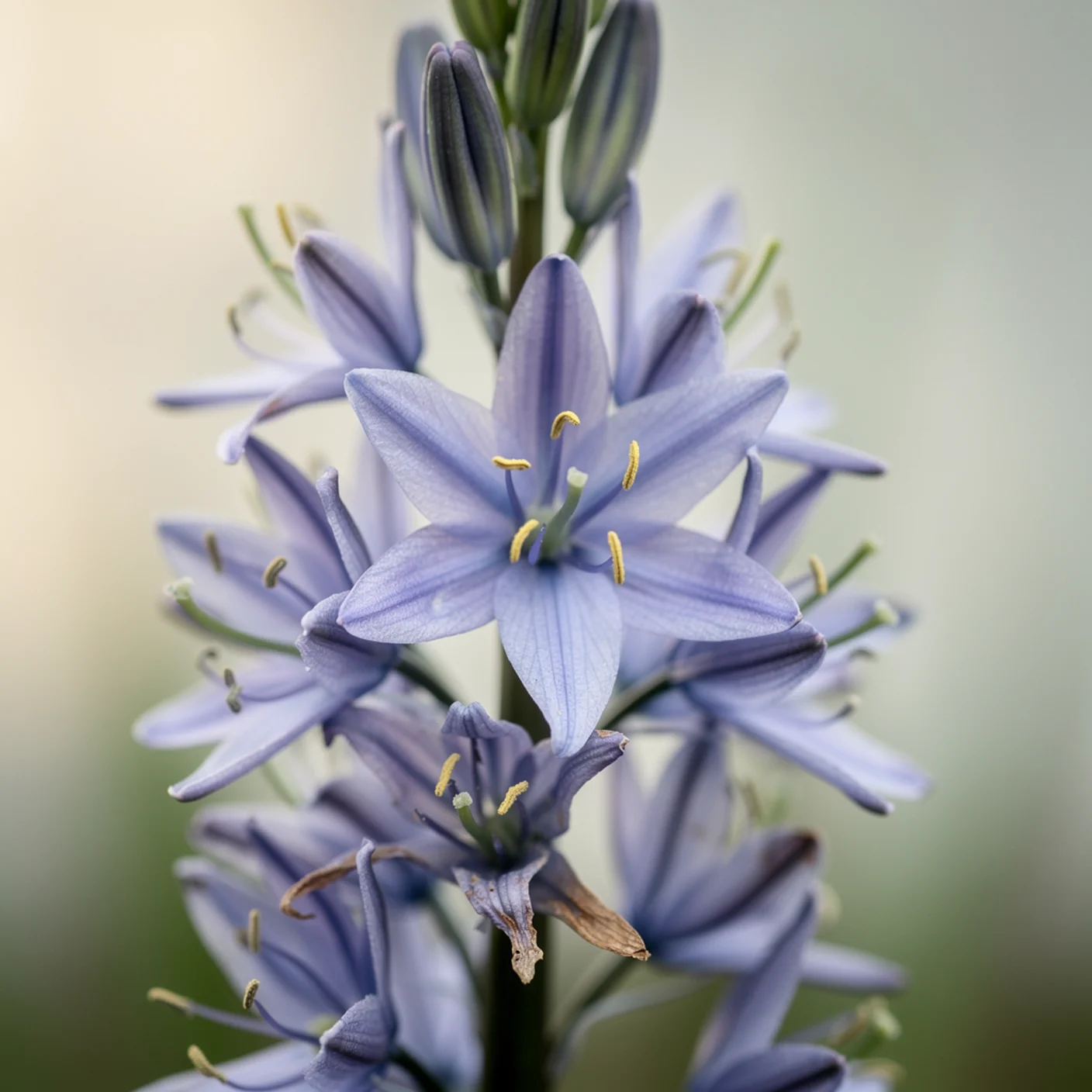
Camassia is the spring bulb for people who think they've tried all the spring bulbs. While everyone's busy with tulips and daffodils, camassia quietly produces tall spires of star-shaped flowers in a particular shade of soft violet-blue that looks like it was mixed specifically to complement a late spring meadow. It fills the gap between the last daffodils and the first summer perennials, which is exactly when the garden needs it most.
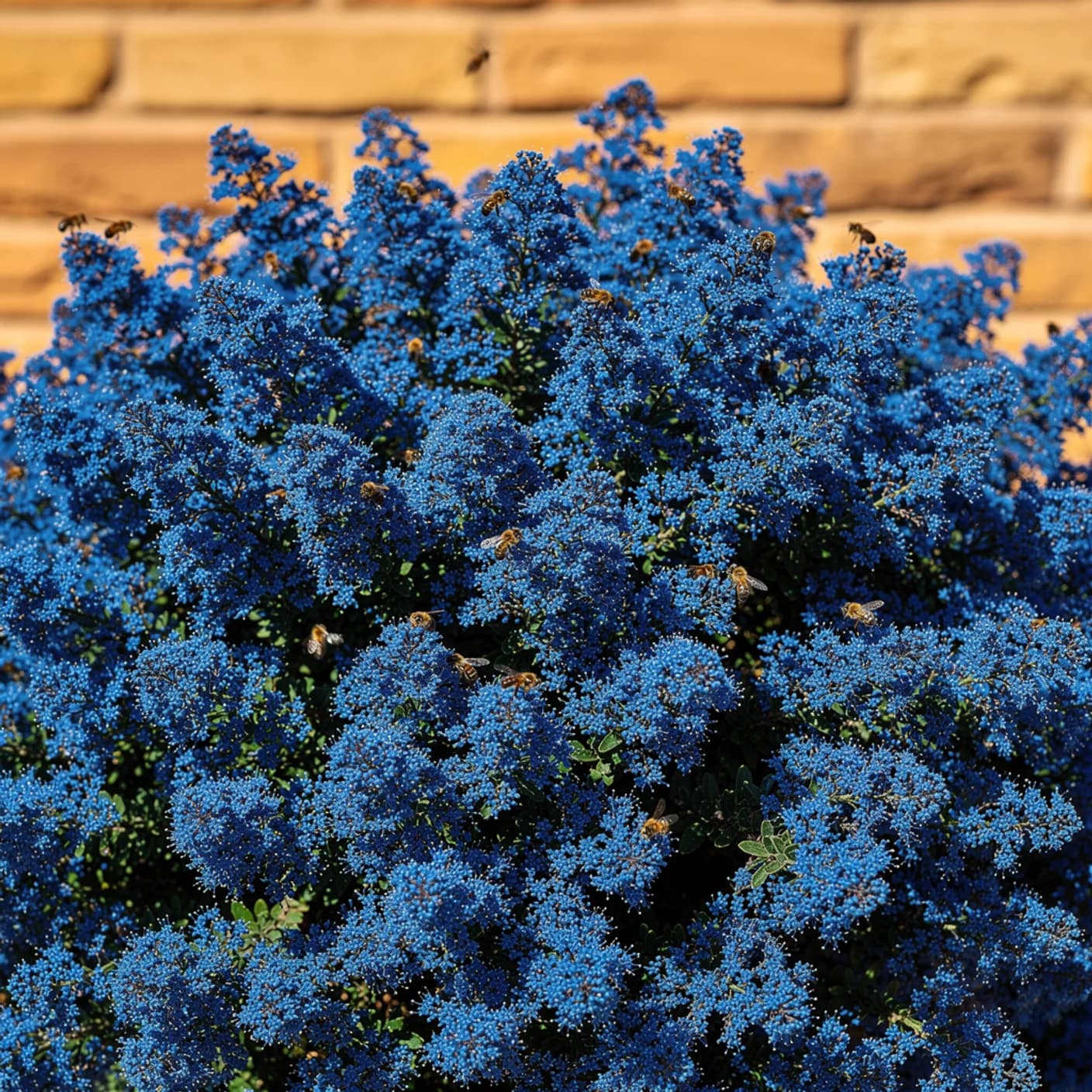
Camassia leichtlinii is the larger species — elegant spires up to three feet tall, studded with dozens of six-petalled flowers that open from the bottom upward. The blue form, 'Caerulea,' is the one I grow, and the colour is hard to describe precisely — it shifts between lavender, soft blue, and lilac depending on the light and the soil. Whatever you call it, it's beautiful.
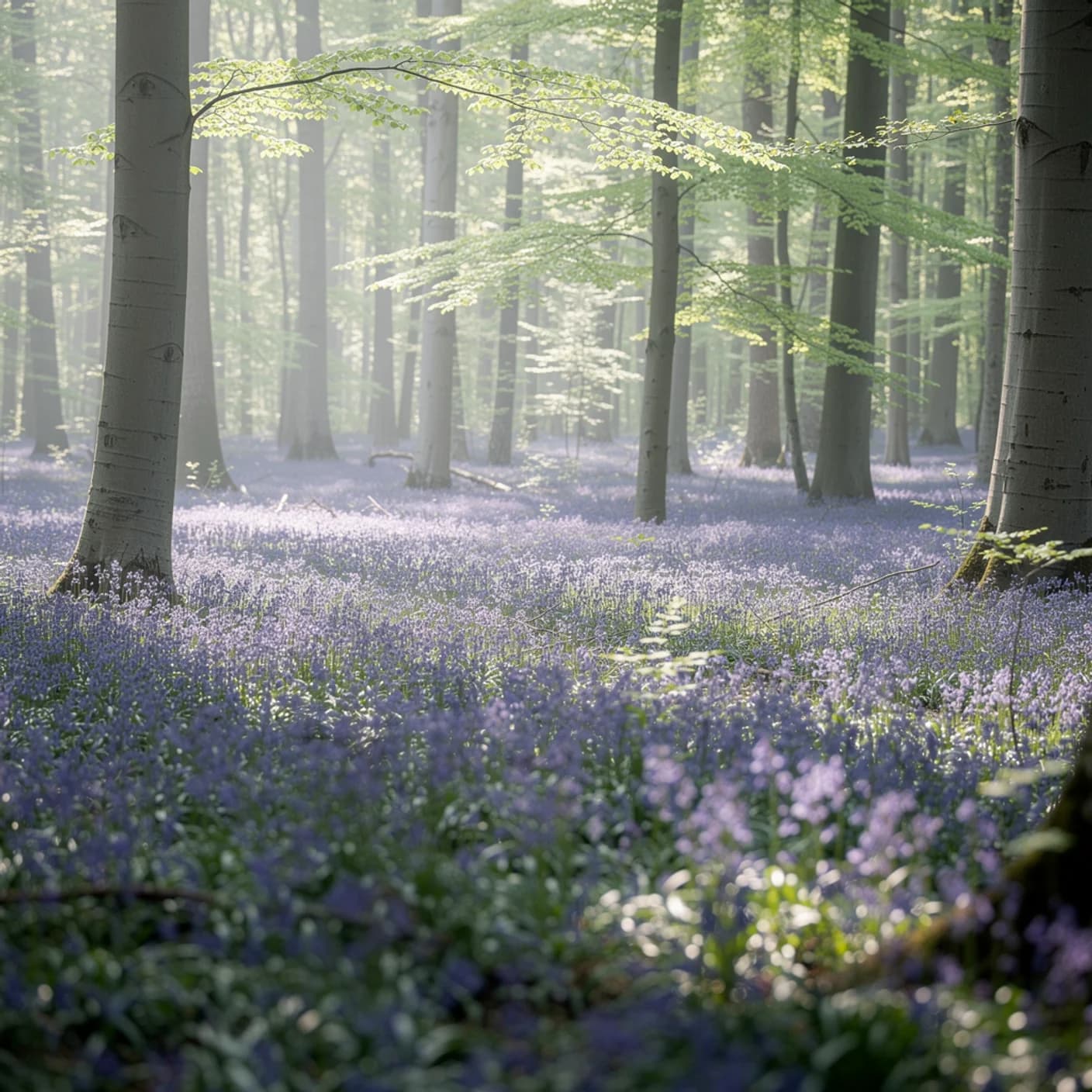
They're spectacular naturalised in grass. The tall, slender spires rise above the meadow like blue candles, and because they flower in May — after the grass has grown but before you'd want to mow — they're perfectly timed for a wildflower meadow approach. Mixed with buttercups and cow parsley, the effect is painterly.
The bulbs are cheap and easy — plant them in autumn, pointy end up, in any reasonable soil, and forget about them. They'll come back year after year, gradually multiplying into bigger clumps. In ten years you'll have drifts. This is the kind of gardening I like best — one afternoon's planting that pays dividends for decades.
Where to Buy
If you want to try camassia for yourself, here's where I'd point you:
We may earn a small commission from purchases made through our links, at no extra cost to you.
✿ From the folklore cabinet
Camassia bulbs were a staple food for many Native American peoples of the Pacific Northwest — they were pit-roasted for days until sweet and nutritious, and were so valued that wars were fought over the best gathering grounds. The name 'camas' comes from the Nez Perce word 'qém'es.' When Lewis and Clark crossed the Rockies in 1805, they were saved from starvation by the Nez Perce sharing their camas harvest. It's a plant that fed nations before anyone thought to grow it for its beauty, which gives it a weight that most spring bulbs lack.